
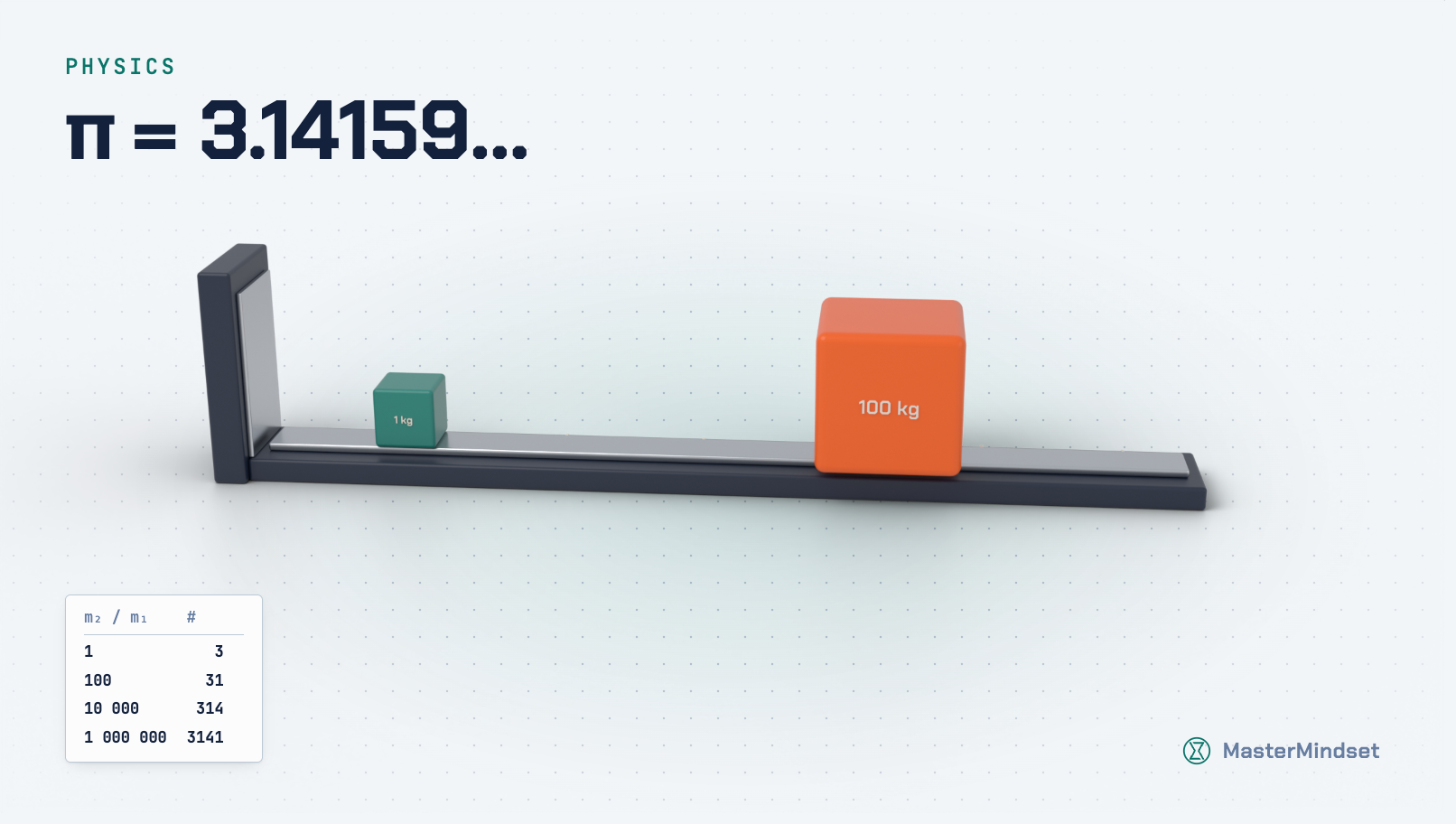
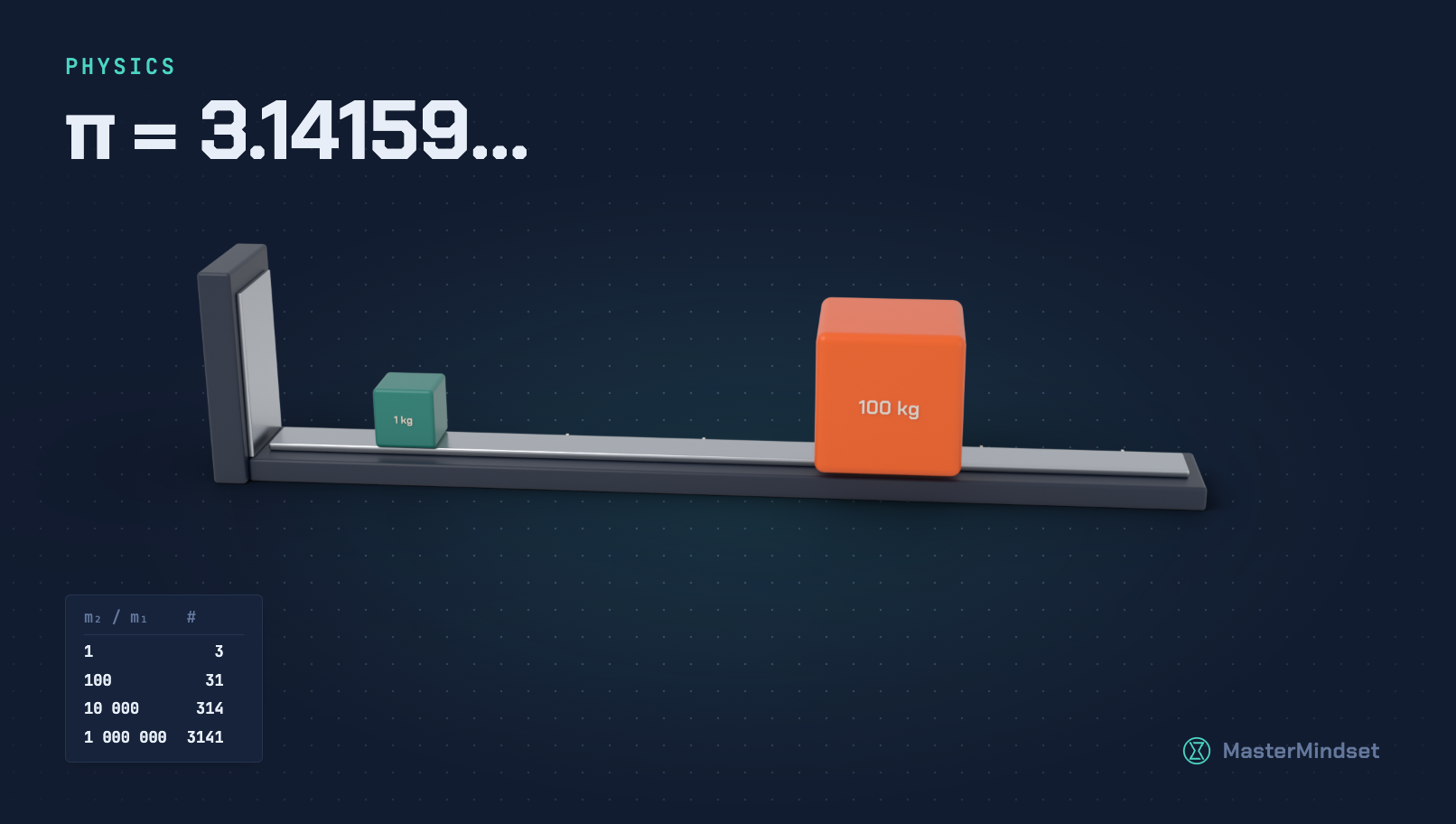
Why do two colliding blocks count out the digits of π?
A heavy block slides into a light one beside a wall. Count the collisions and you meet 3, 31, 314… A circle explains why.
- Fortgeschritten
- Etwa 7 Min.
- 5 Schritte
Jedes Lab nimmt sich eine schwierige Idee vor und lässt ein Bild sie erklären: Erst vorhersagen, dann zusehen, wie es abläuft, dann ein paar Übungen lösen. Alle können mitspielen, ganz ohne Konto.
A heavy block slides into a light one beside a wall. Count the collisions and you meet 3, 31, 314… A circle explains why.
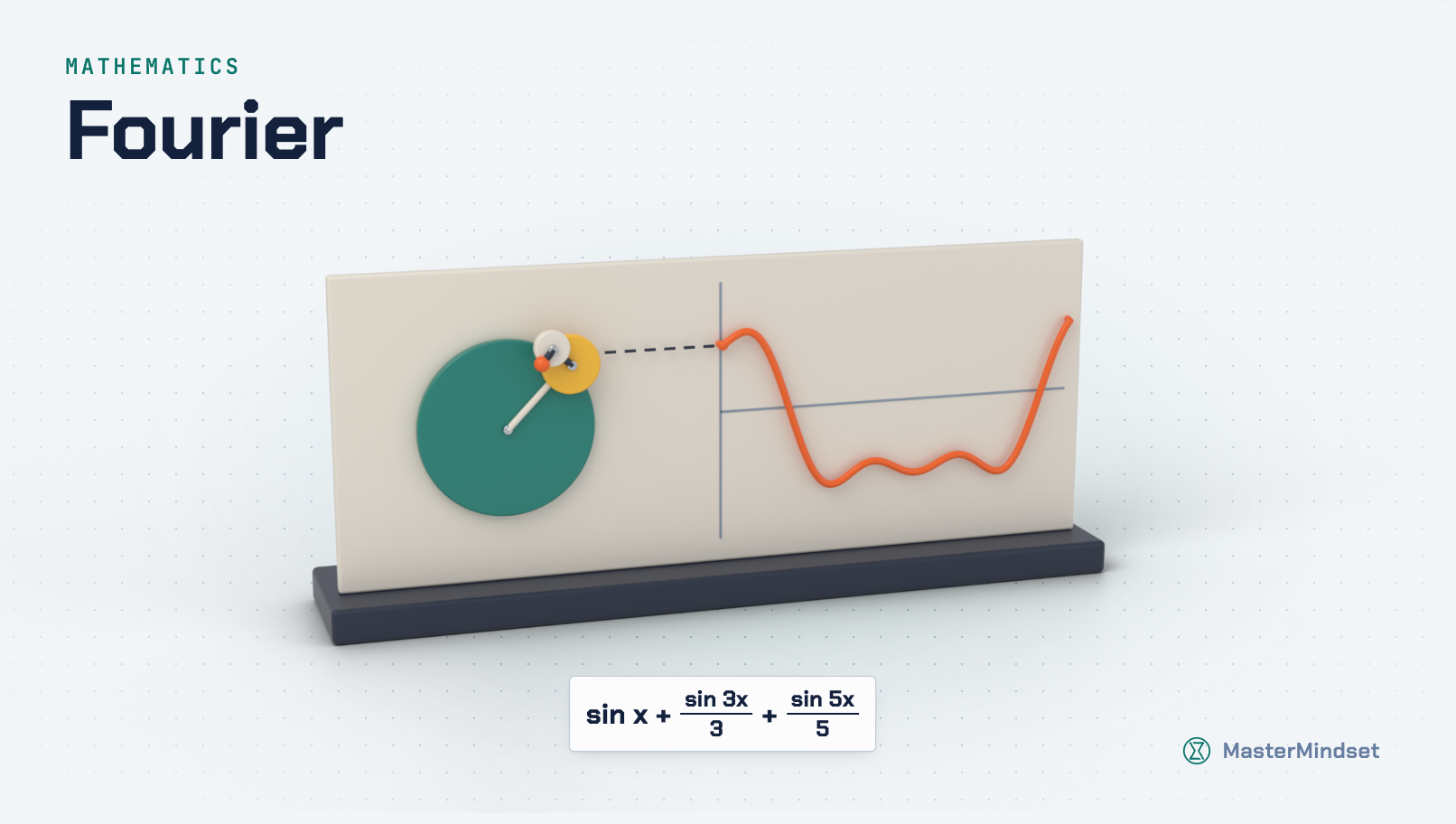
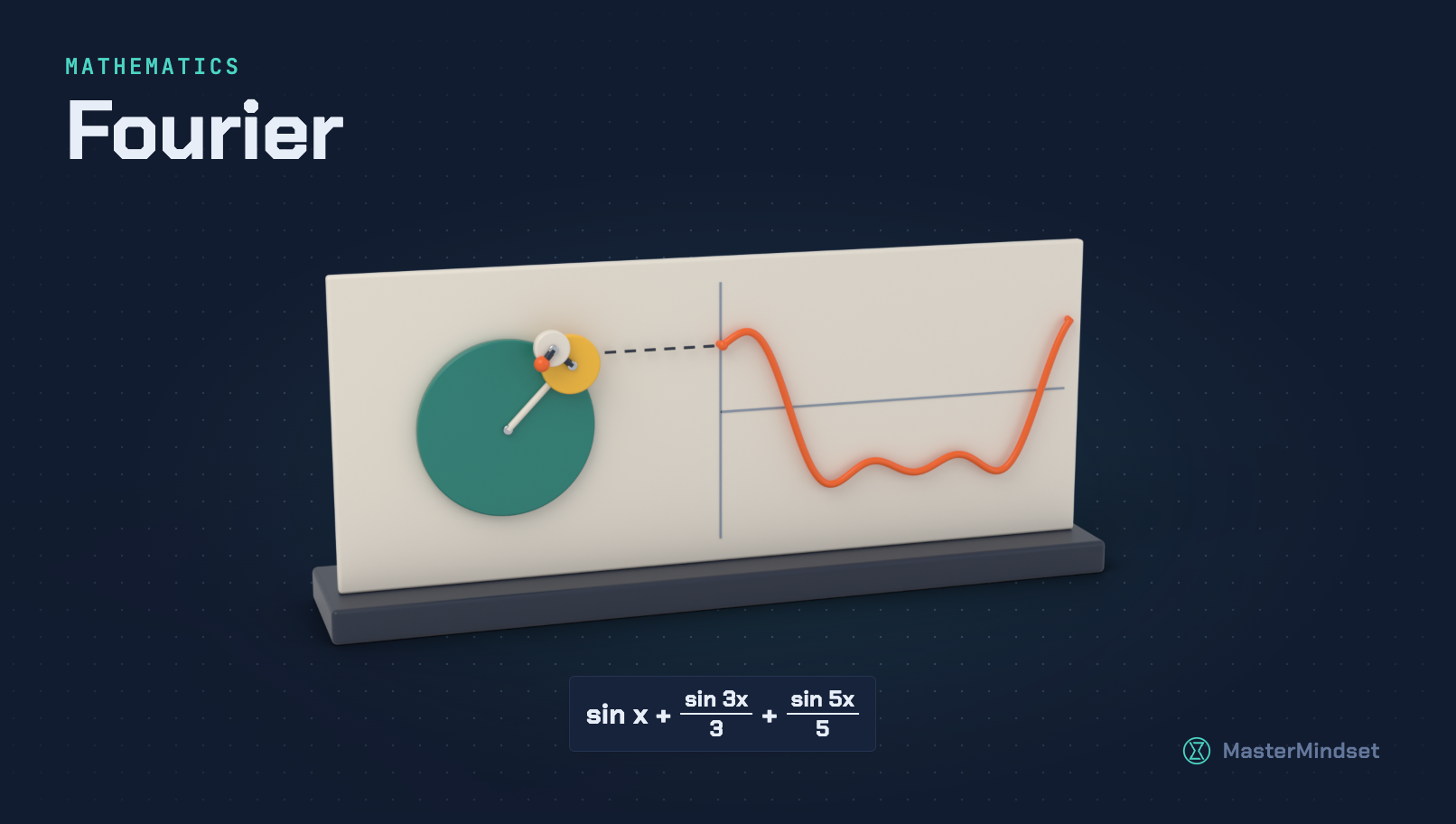
A sine wave is smooth; a square wave has corners. Yet the more sine waves you add, the more the sum looks like a square wave. Watch turning circles draw it, then mix a wave of your own.
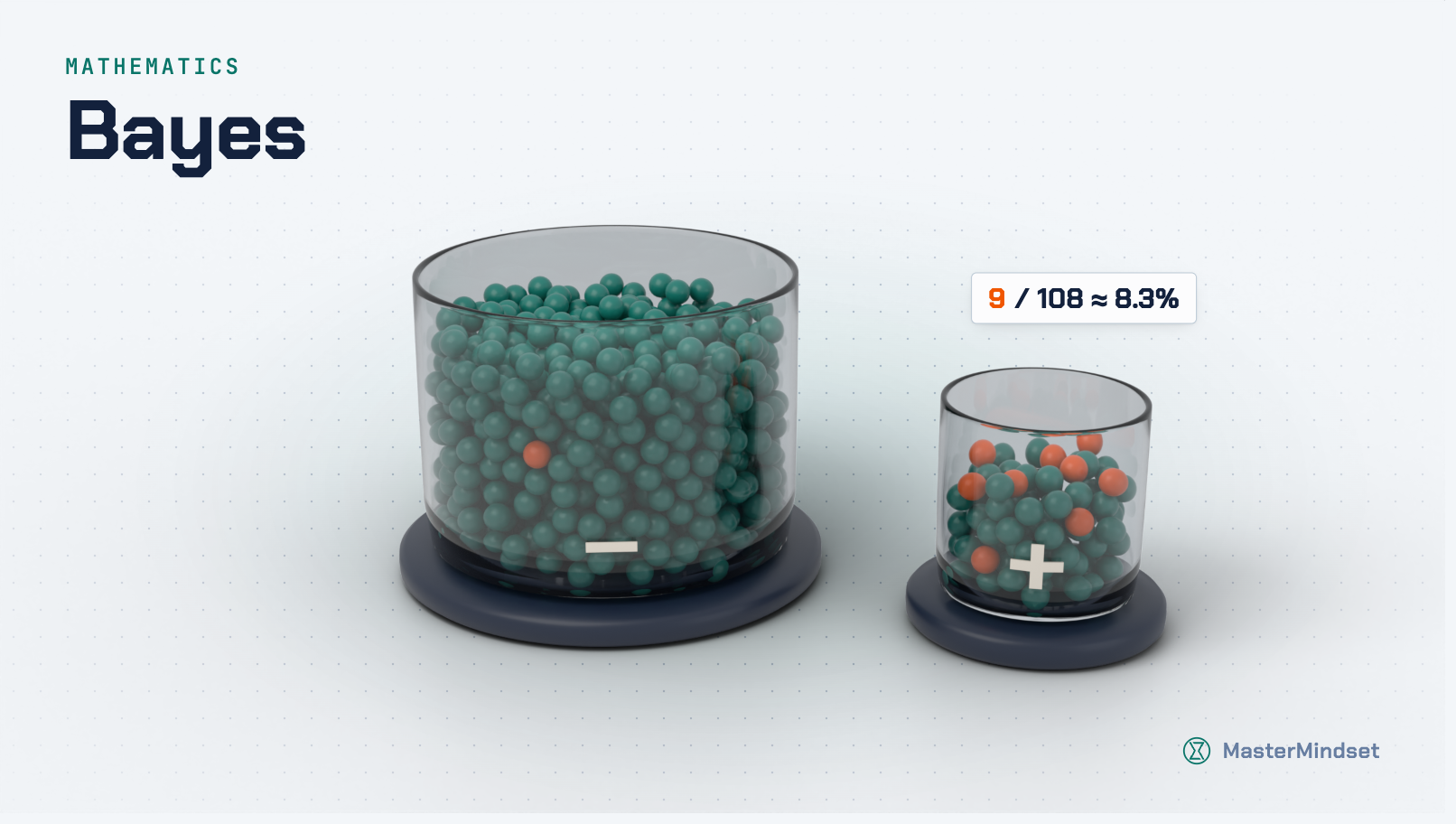
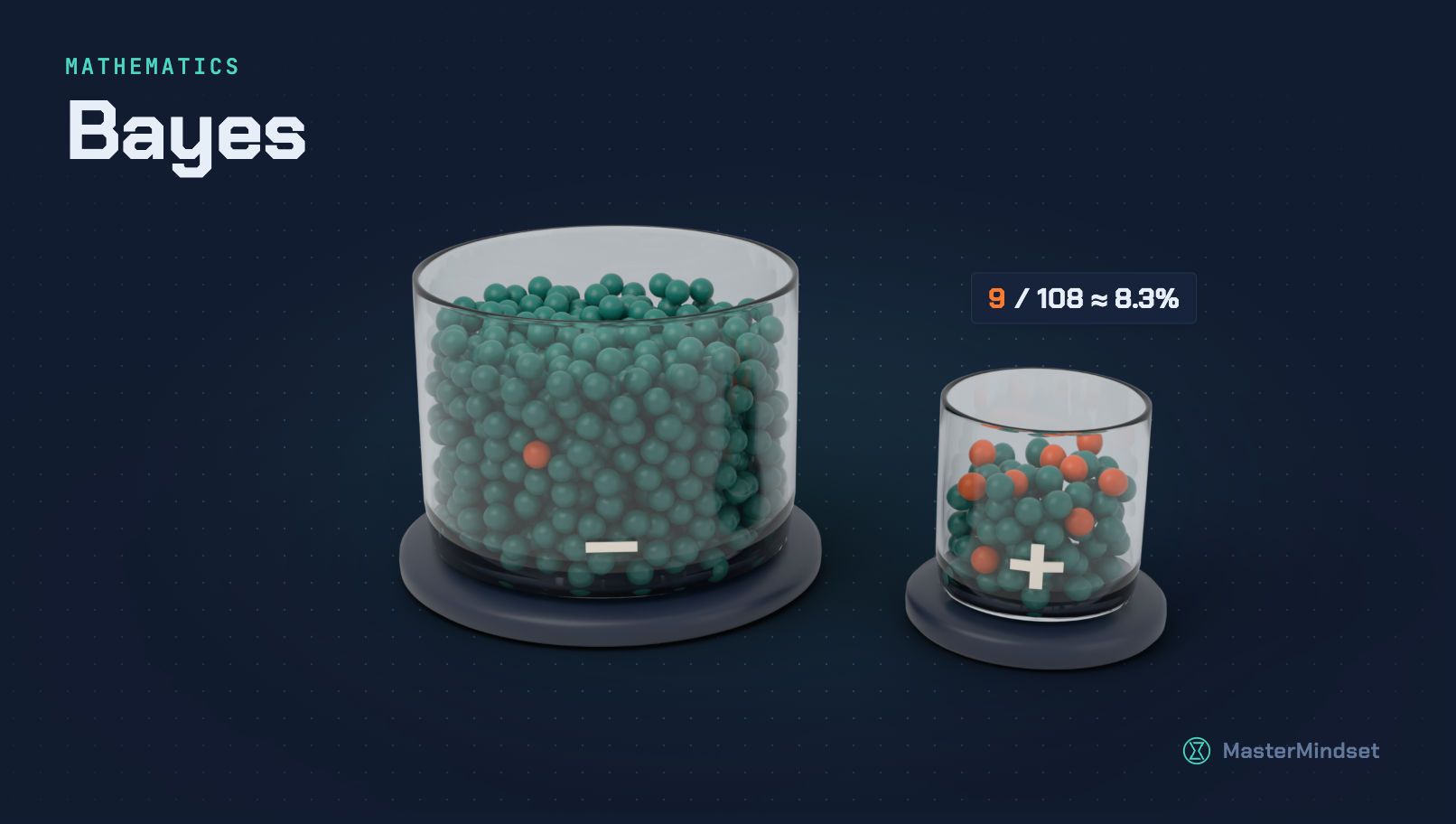
You test positive on a test that finds 90% of the people who have an illness. Guess how likely you are to have it, then let 1,000 dots answer.
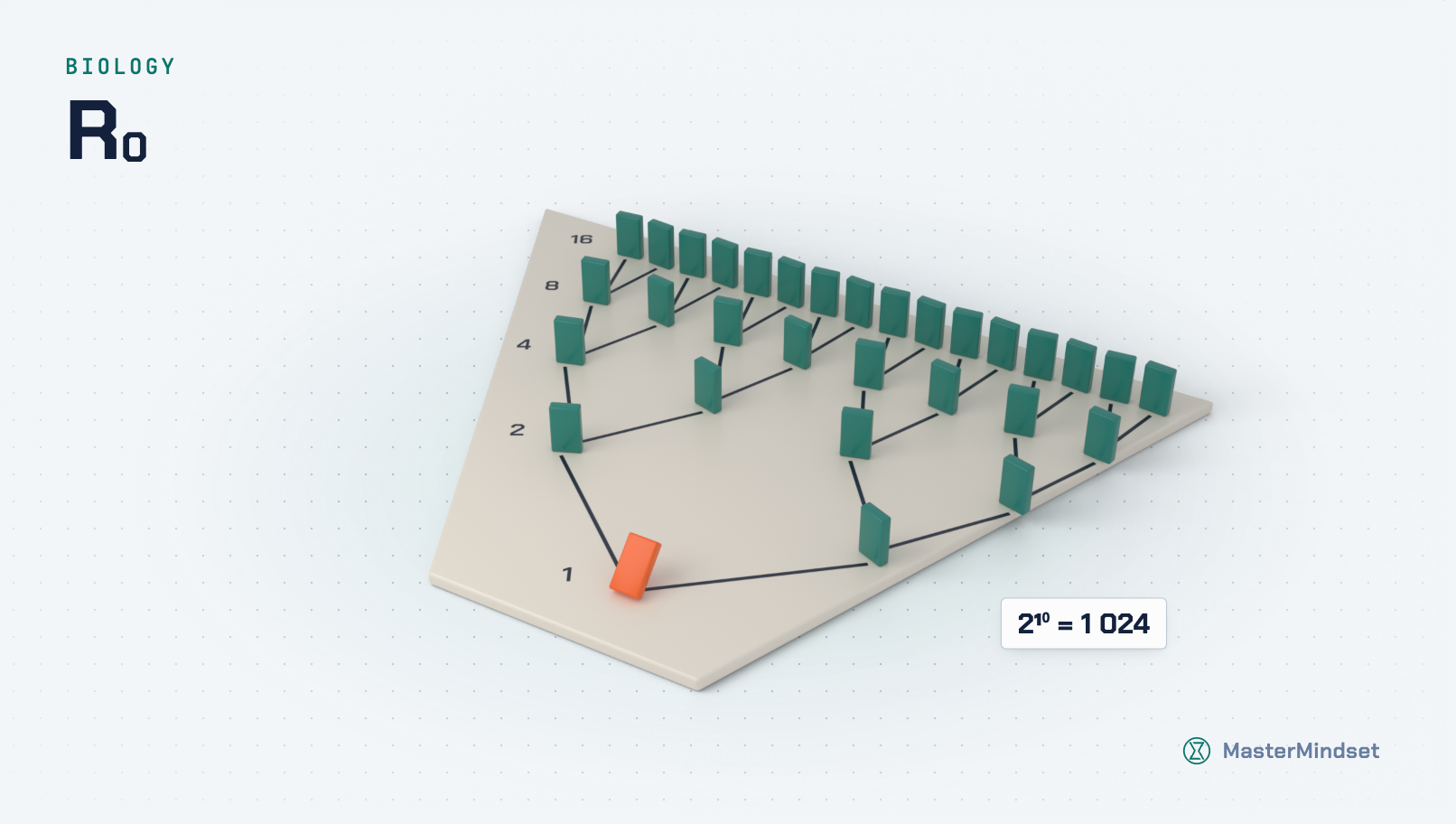
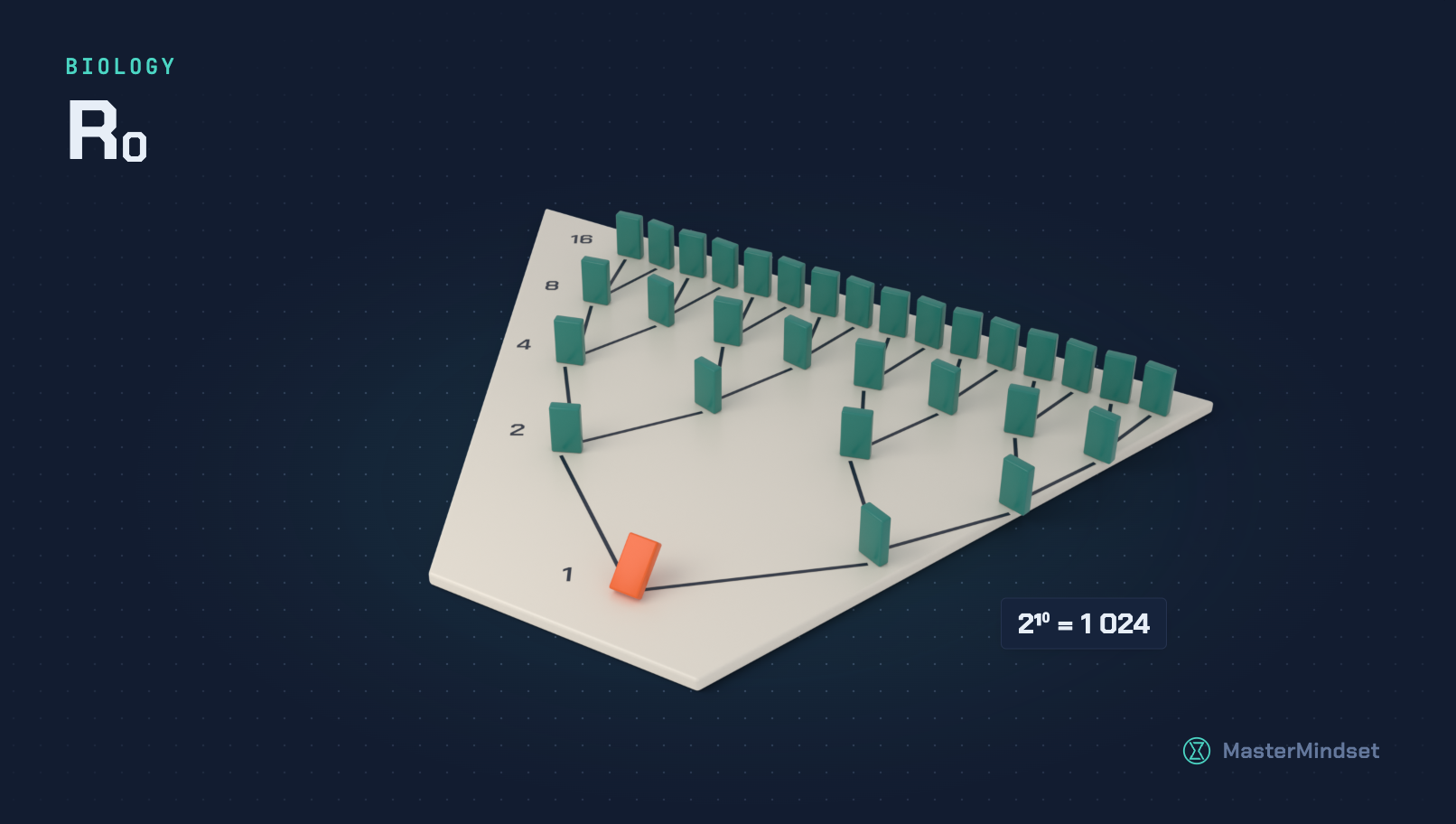
Why does an outbreak grow so fast, then slow down by itself? Run 1,000 dots through the generations and watch the number that decides whether it grows or dies down.
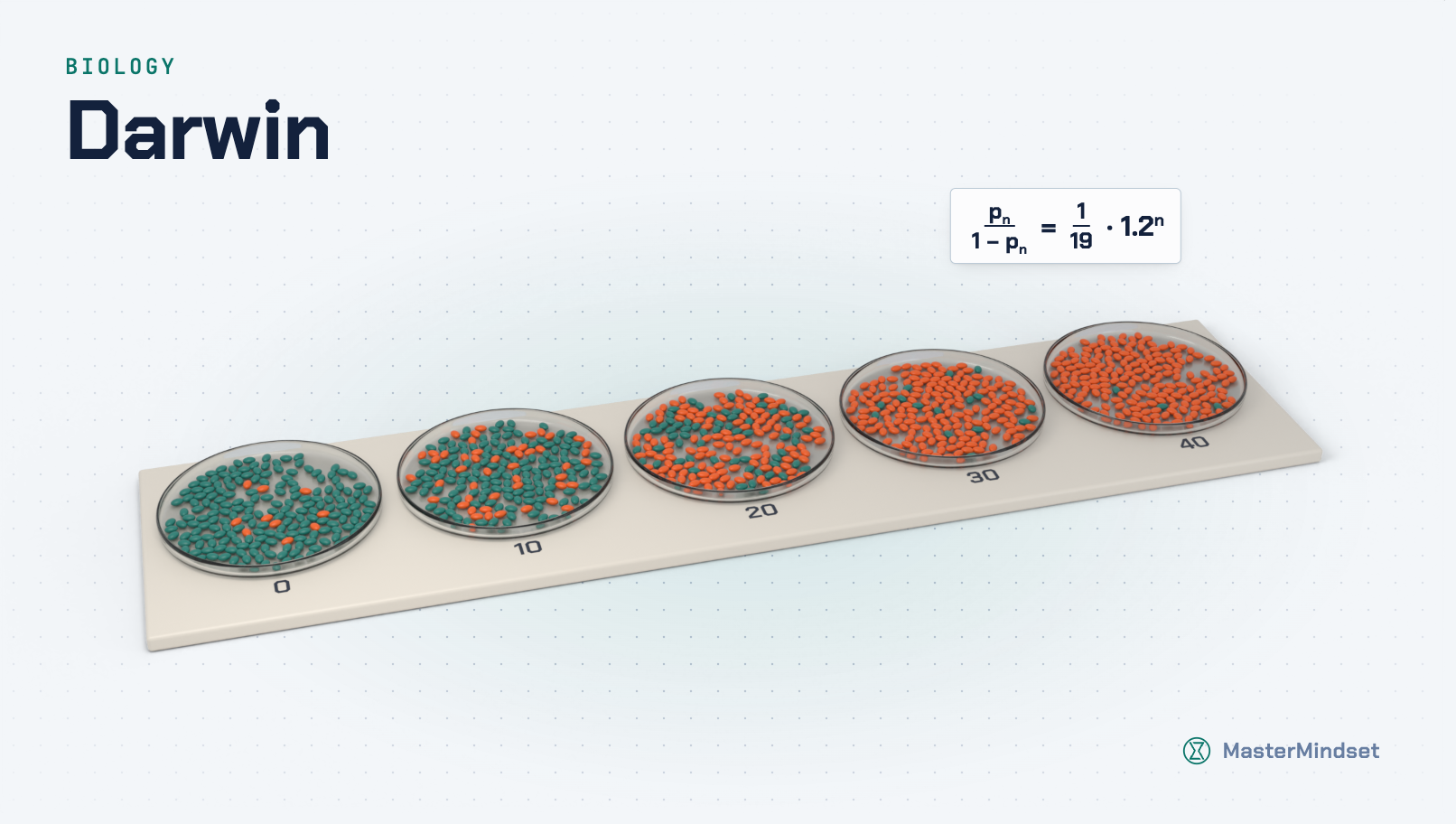
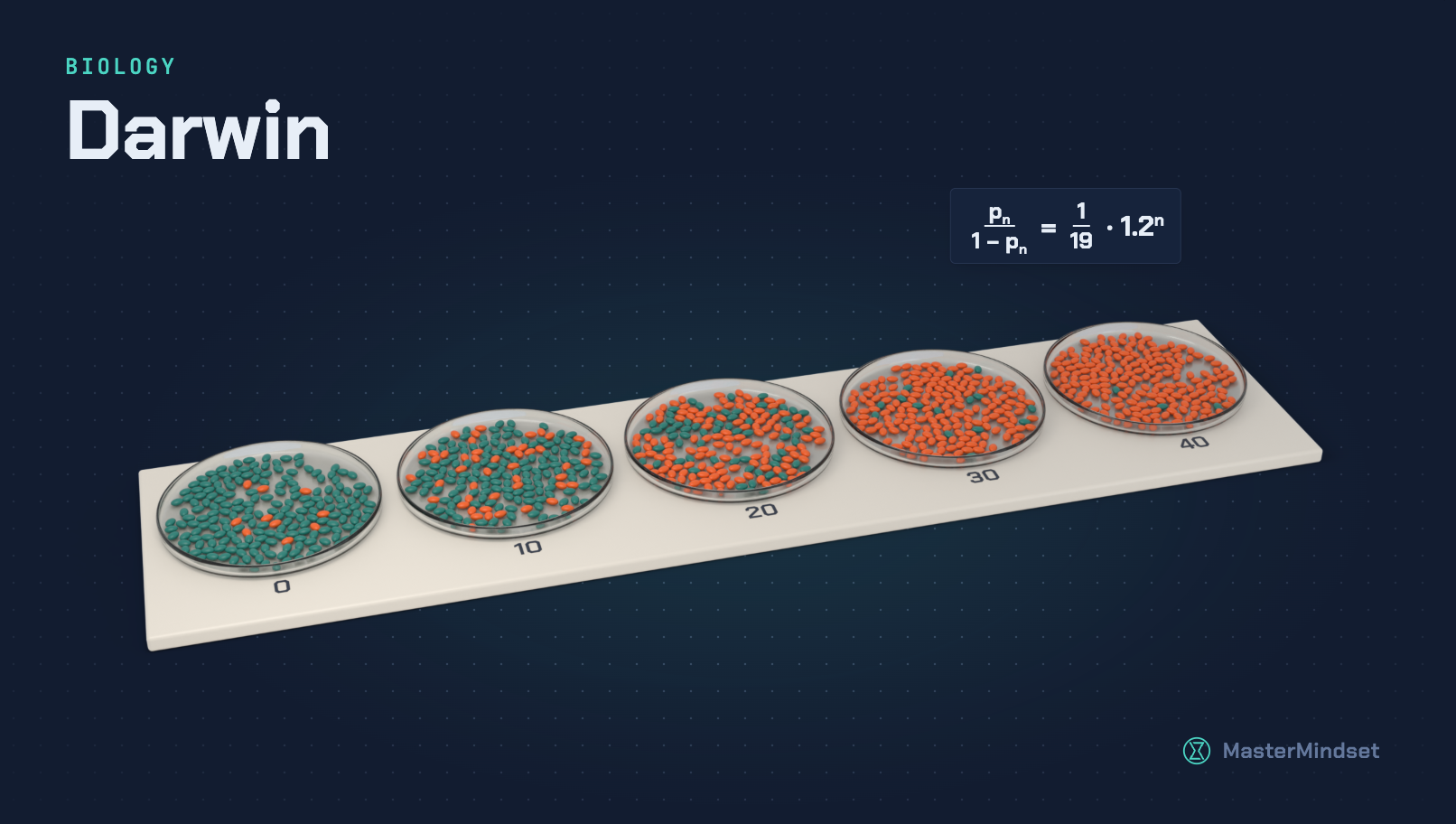
200 beetles in two colours, a background and a predator. Run the generations to watch natural selection at work, and to see where chance comes in.
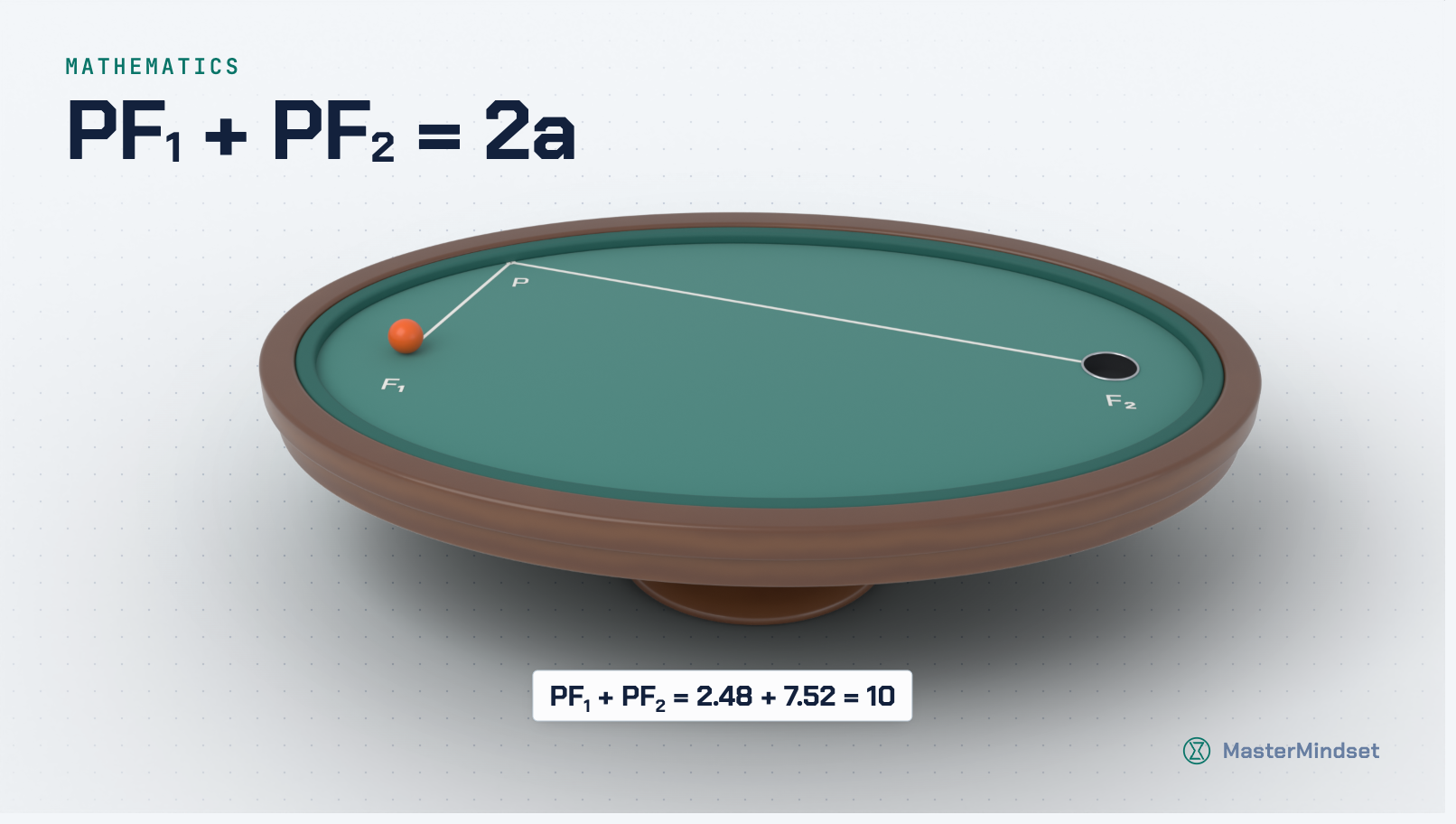
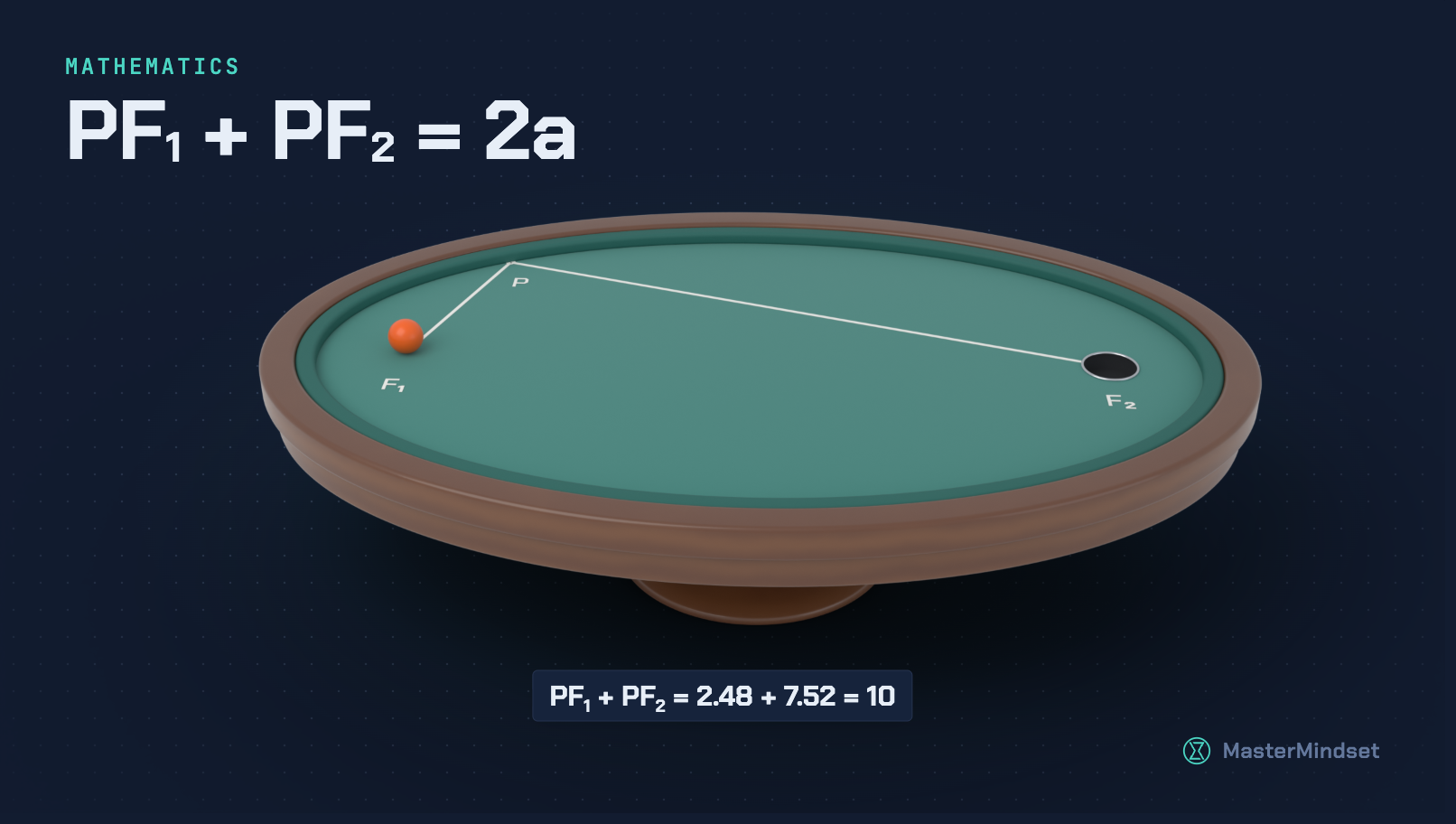
On an elliptical pool table a ball from one focus always bounces to the other. A ball that misses the foci slowly draws a curve that it never crosses.
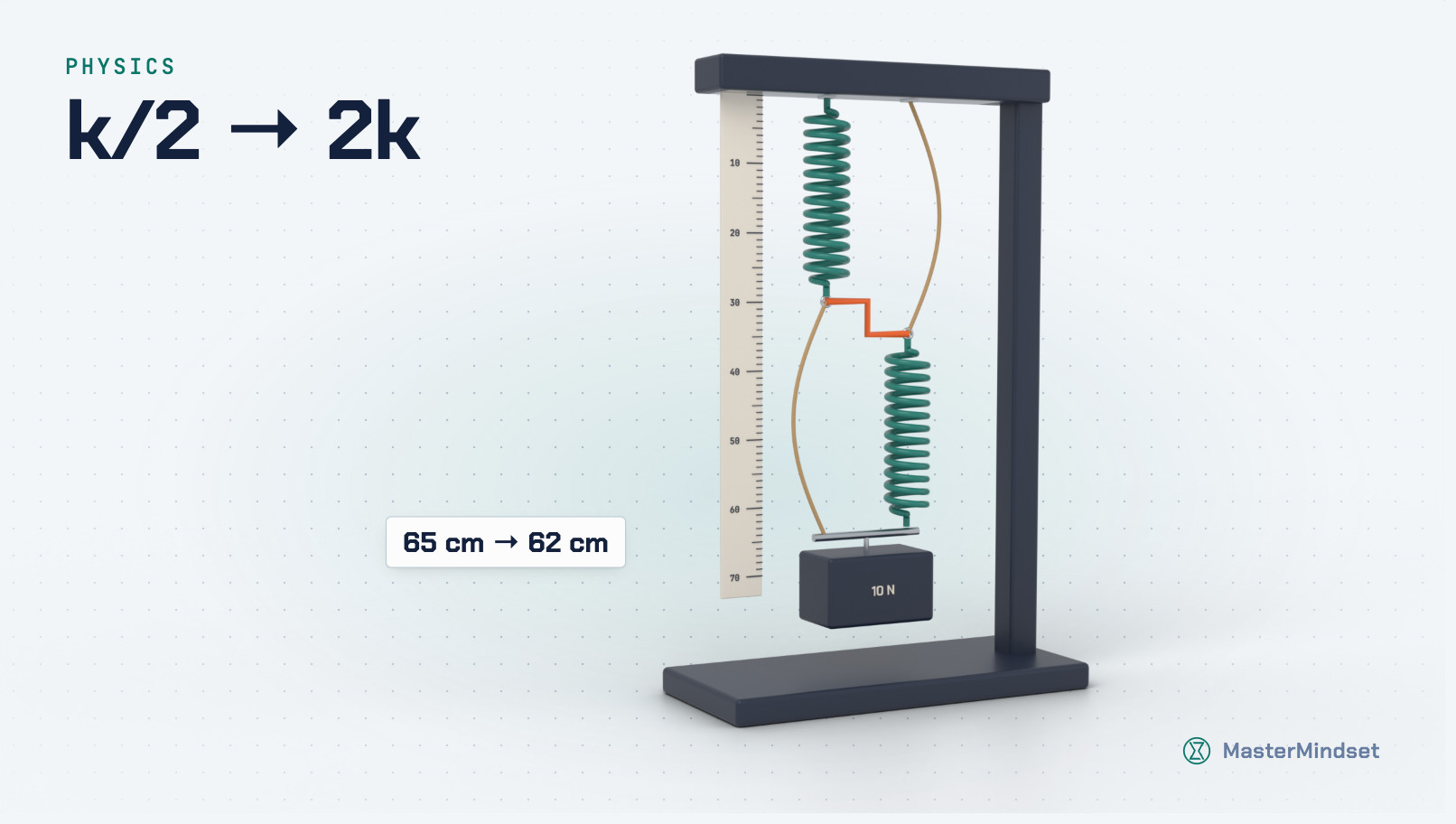
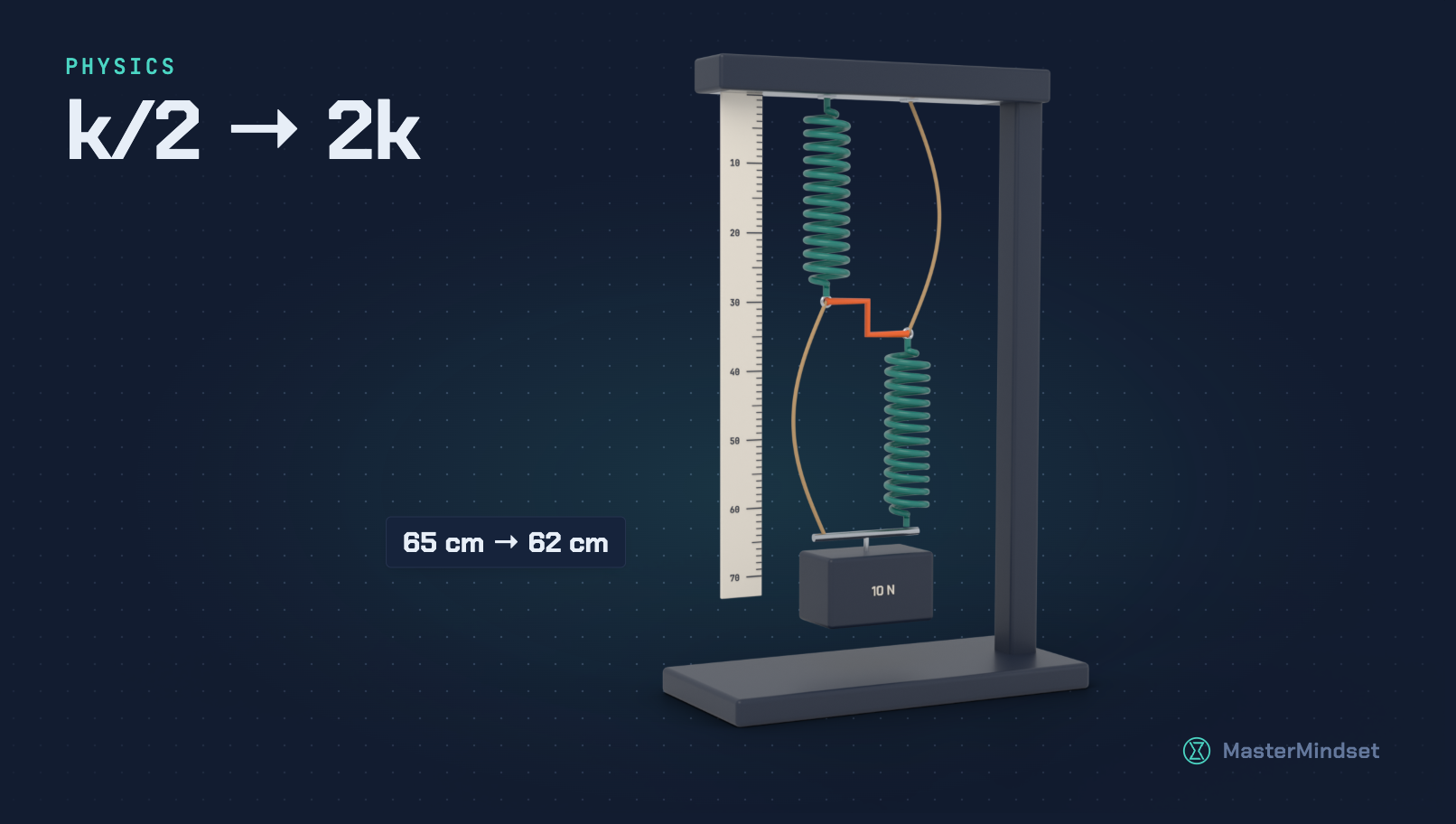
A weight hangs from two springs. Cut the link between them and the weight does not drop: it moves up. The picture shows how the force changes its route.
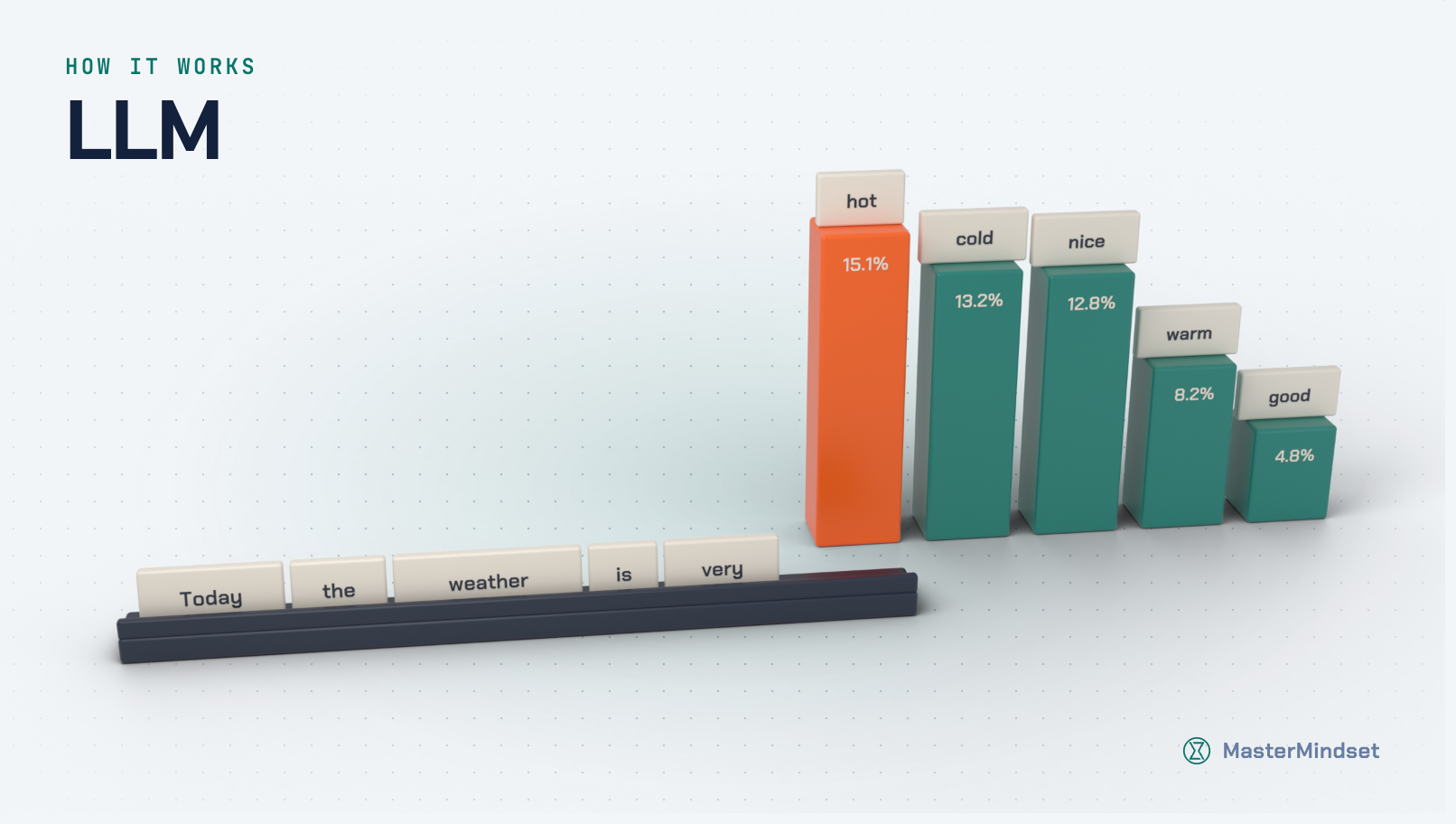
Almost every AI chat assistant today writes the same way: guess the next piece of text, then repeat. Look at a real model’s own numbers: how it scores every word, draws one, and why asking again gives a different answer.
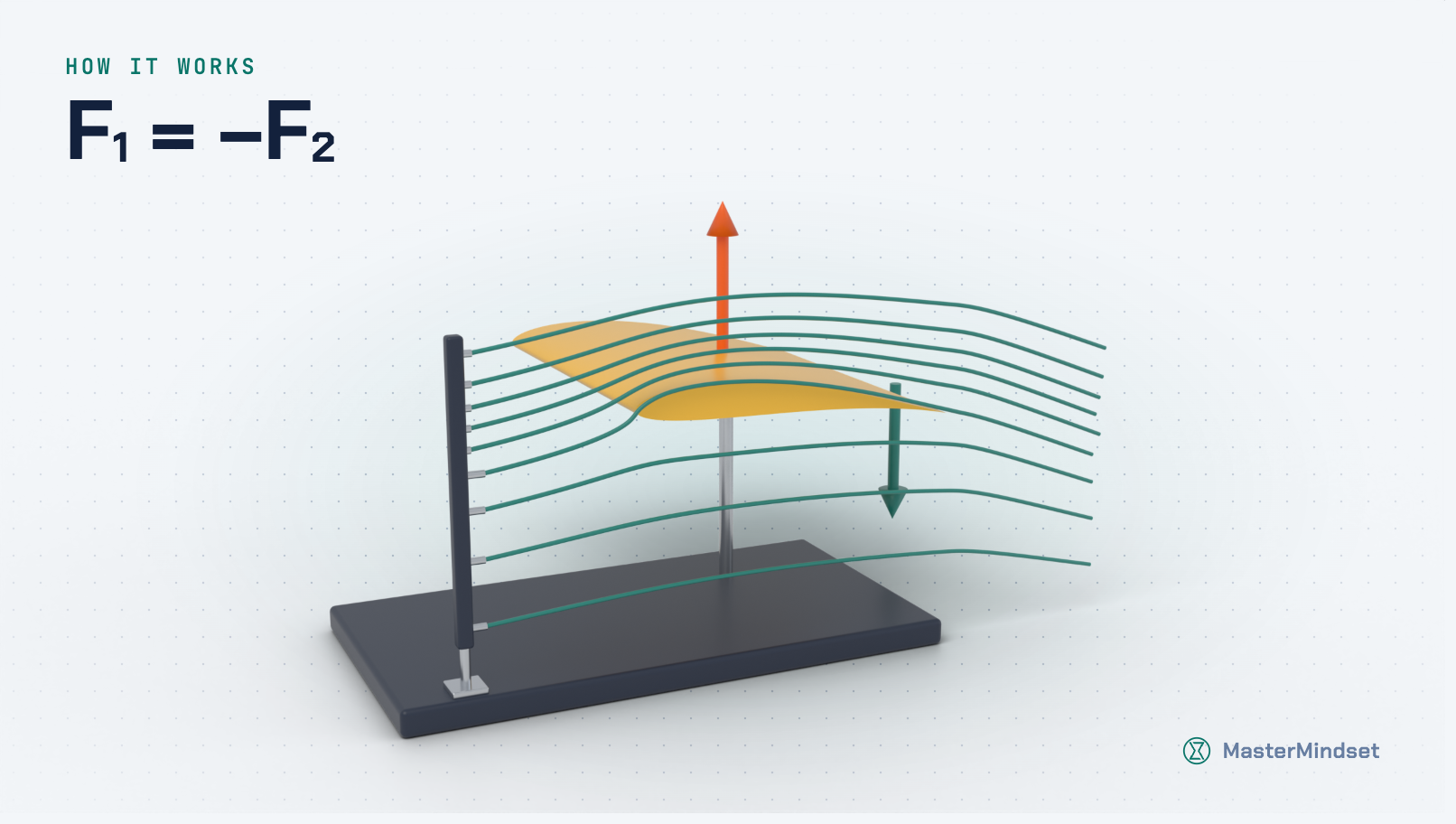
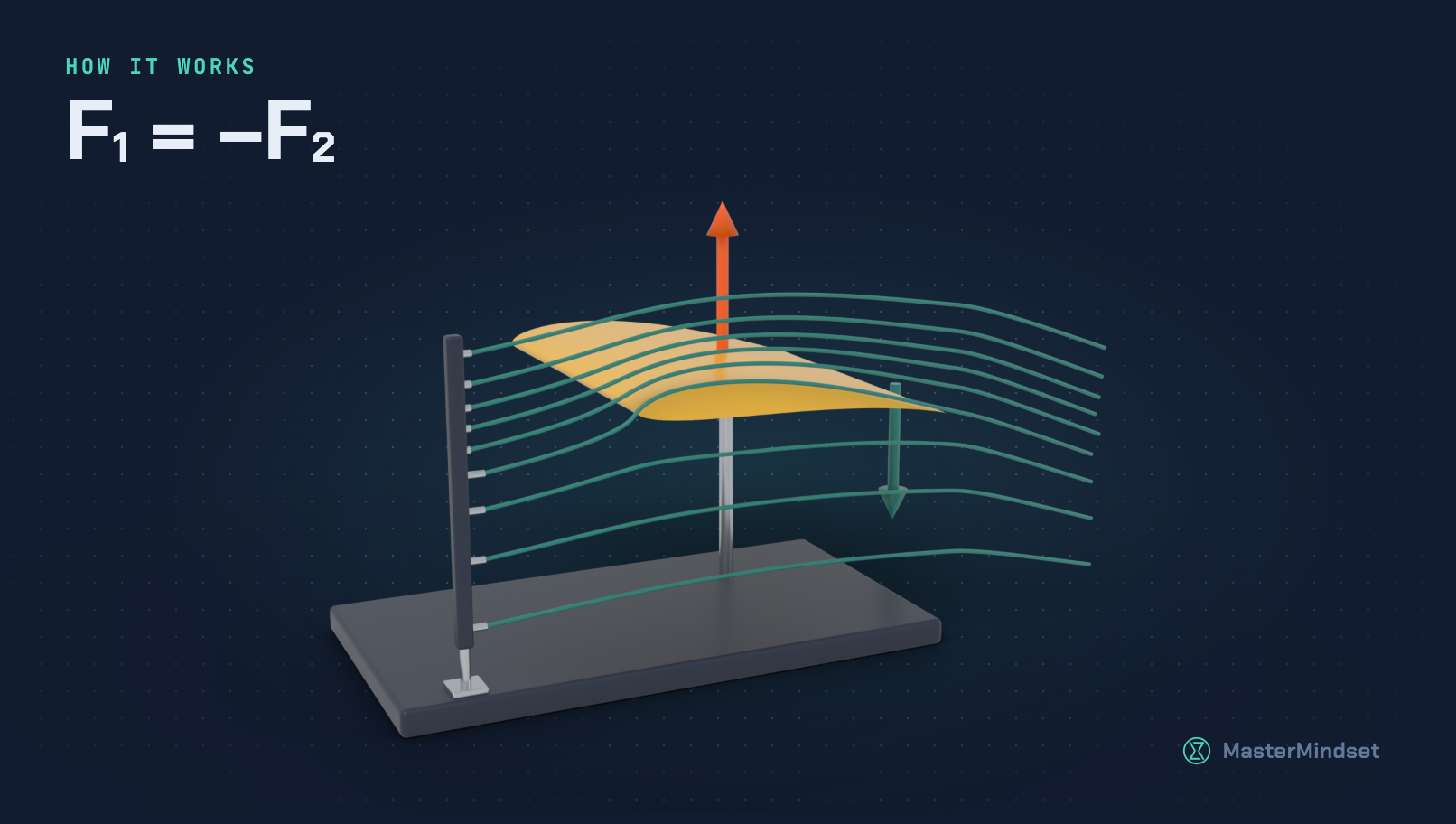
The best-known explanation of lift is wrong. Watch air flow round a wing, release two dots of air to test it, then tilt the wing until its lift suddenly drops.

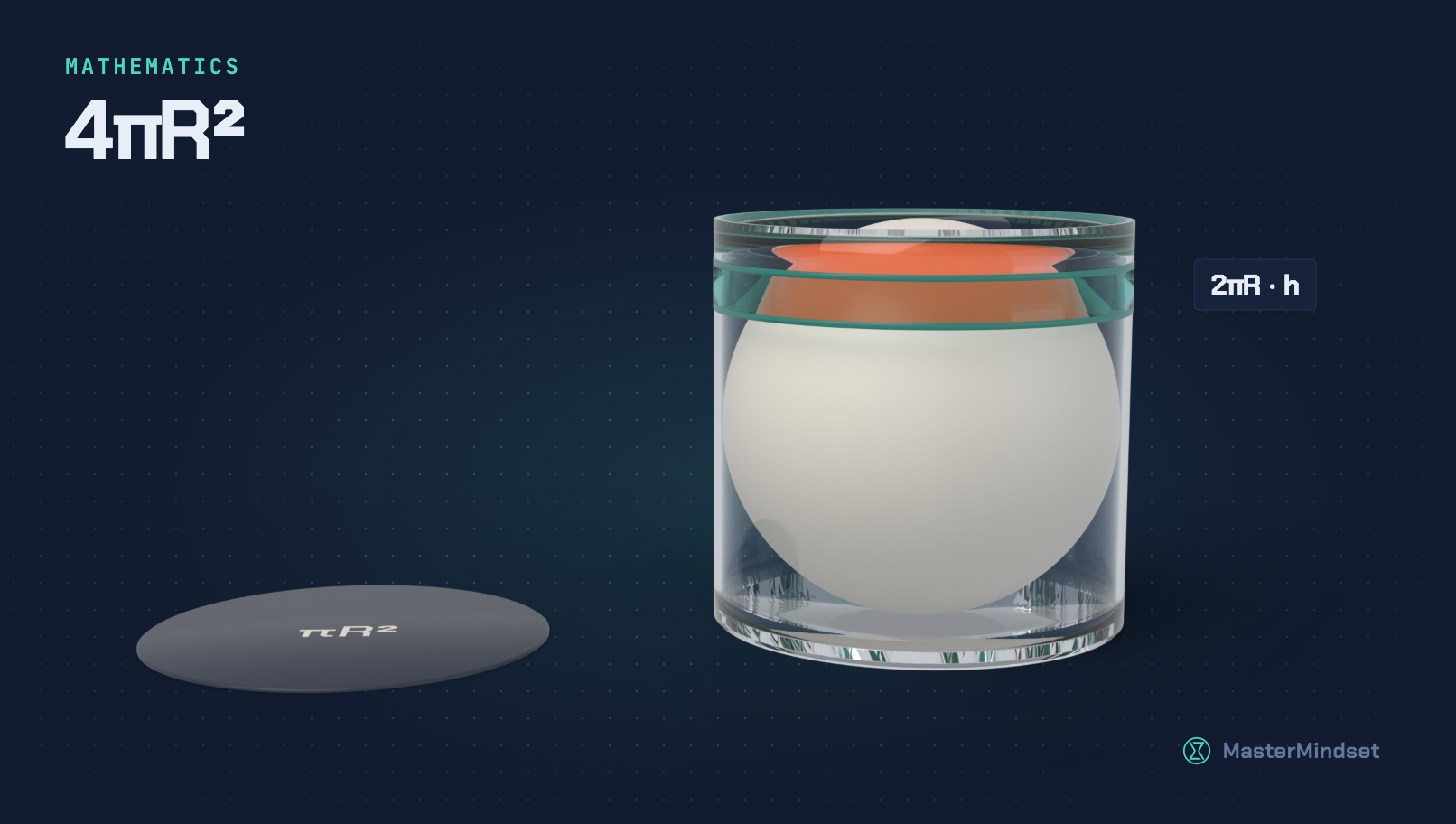
Everyone learns the formula 4πR², but why 4? Archimedes found the answer with a cylinder for a box: slide a band up and down and see the strange thing he noticed.
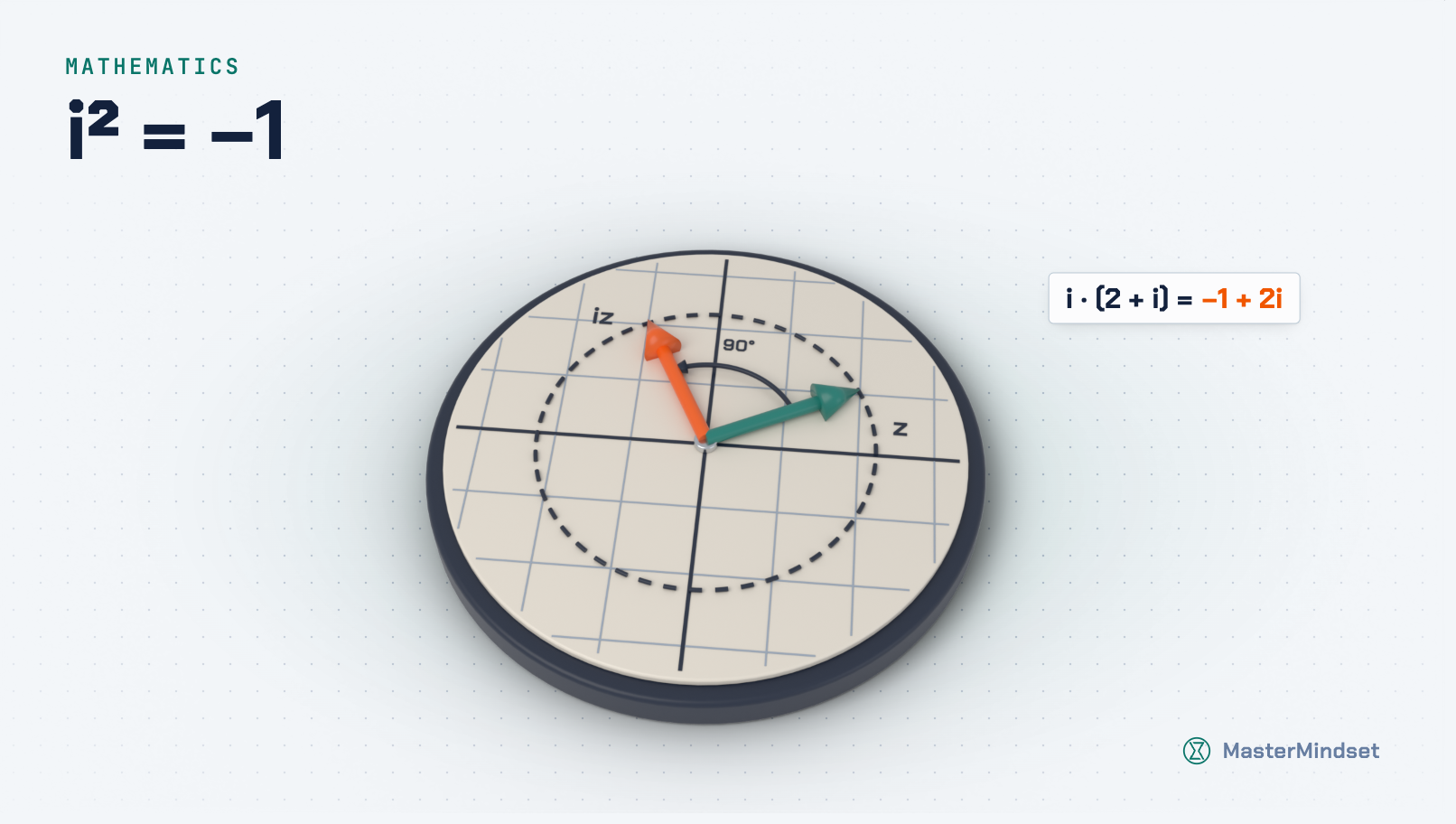
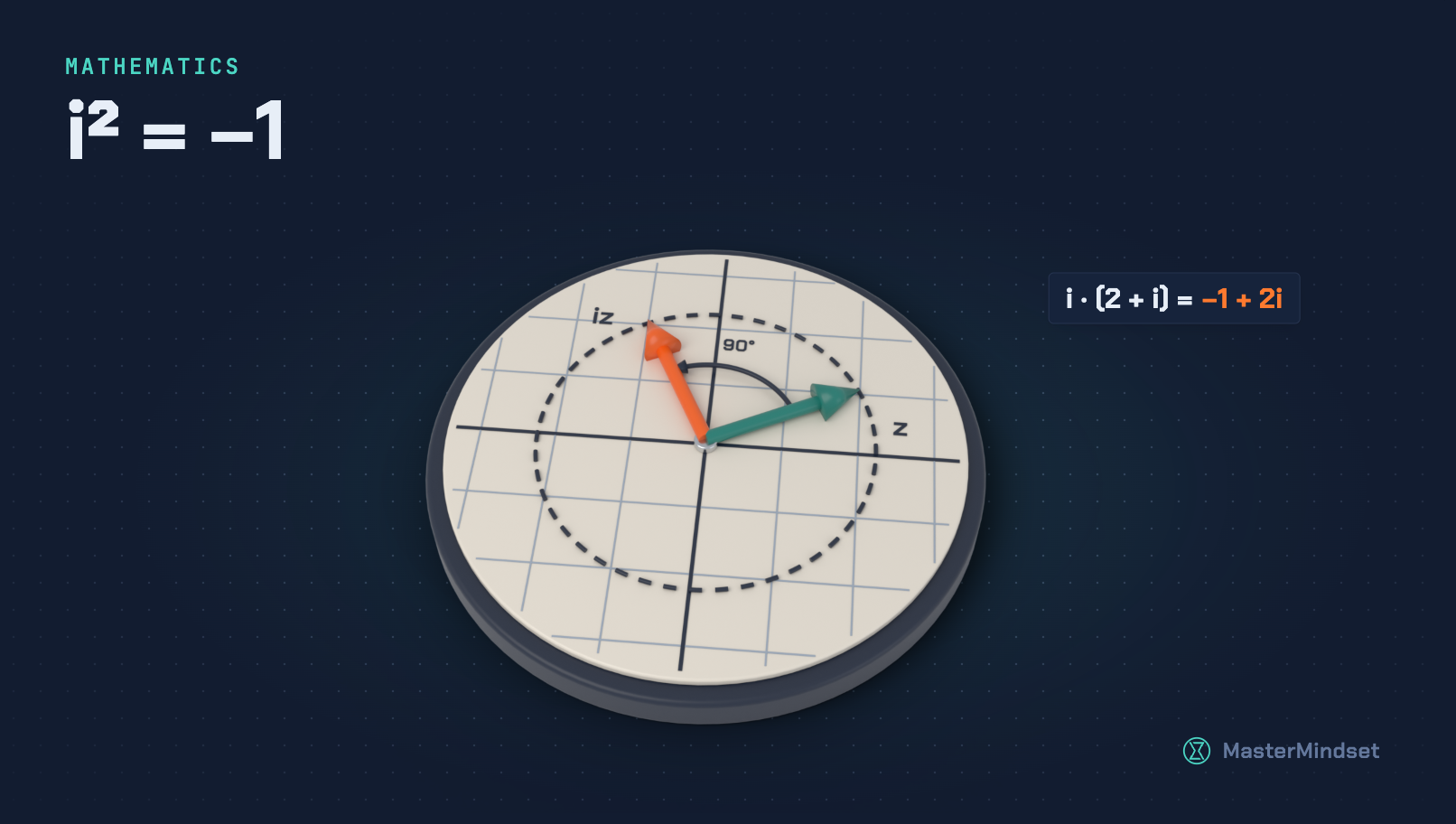
No real number squares to −1, so what is i? See a complex number as a point in the plane: then multiplying by i is just a quarter turn. Out of that multiplication grows the whole Mandelbrot set.
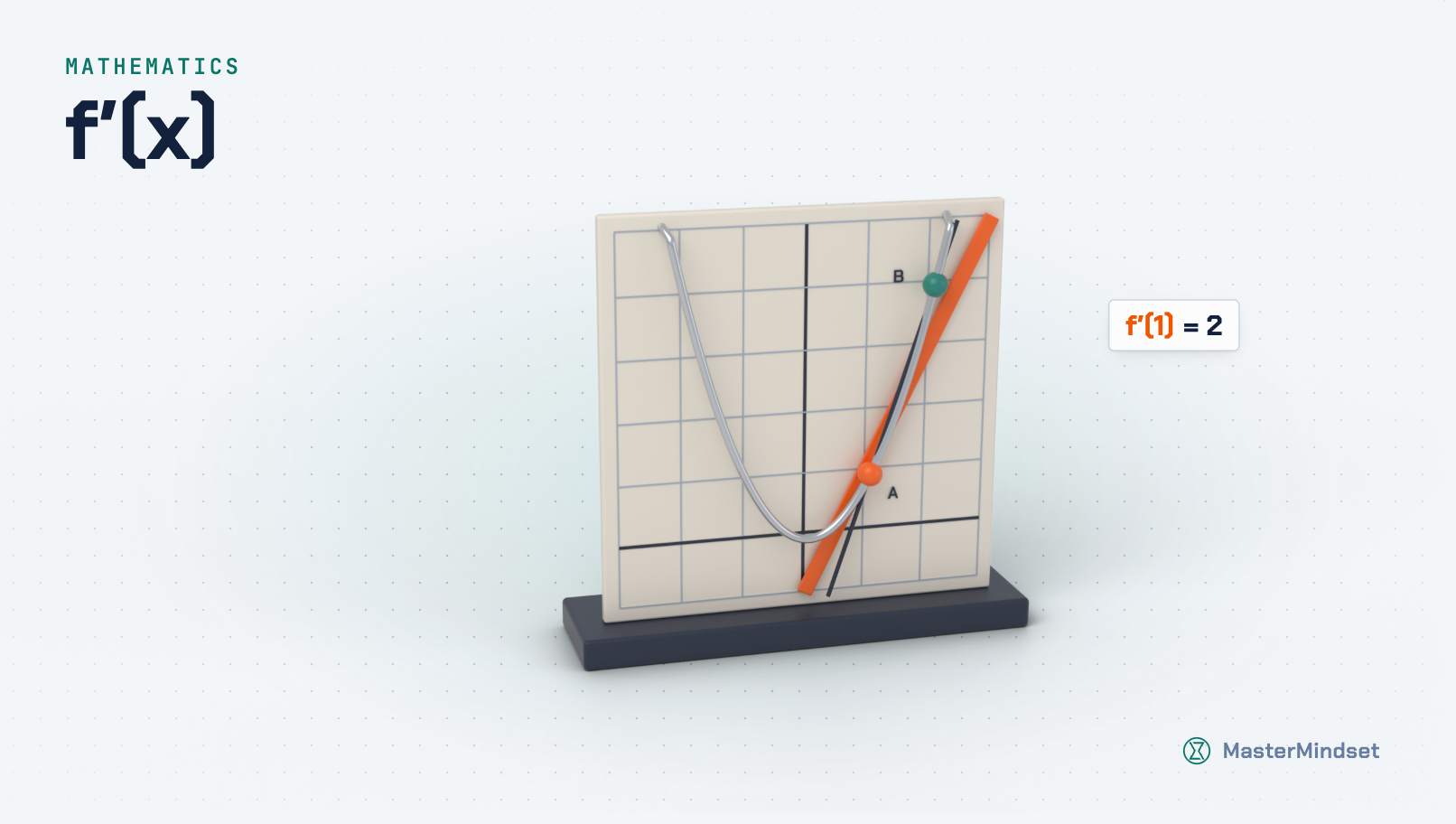
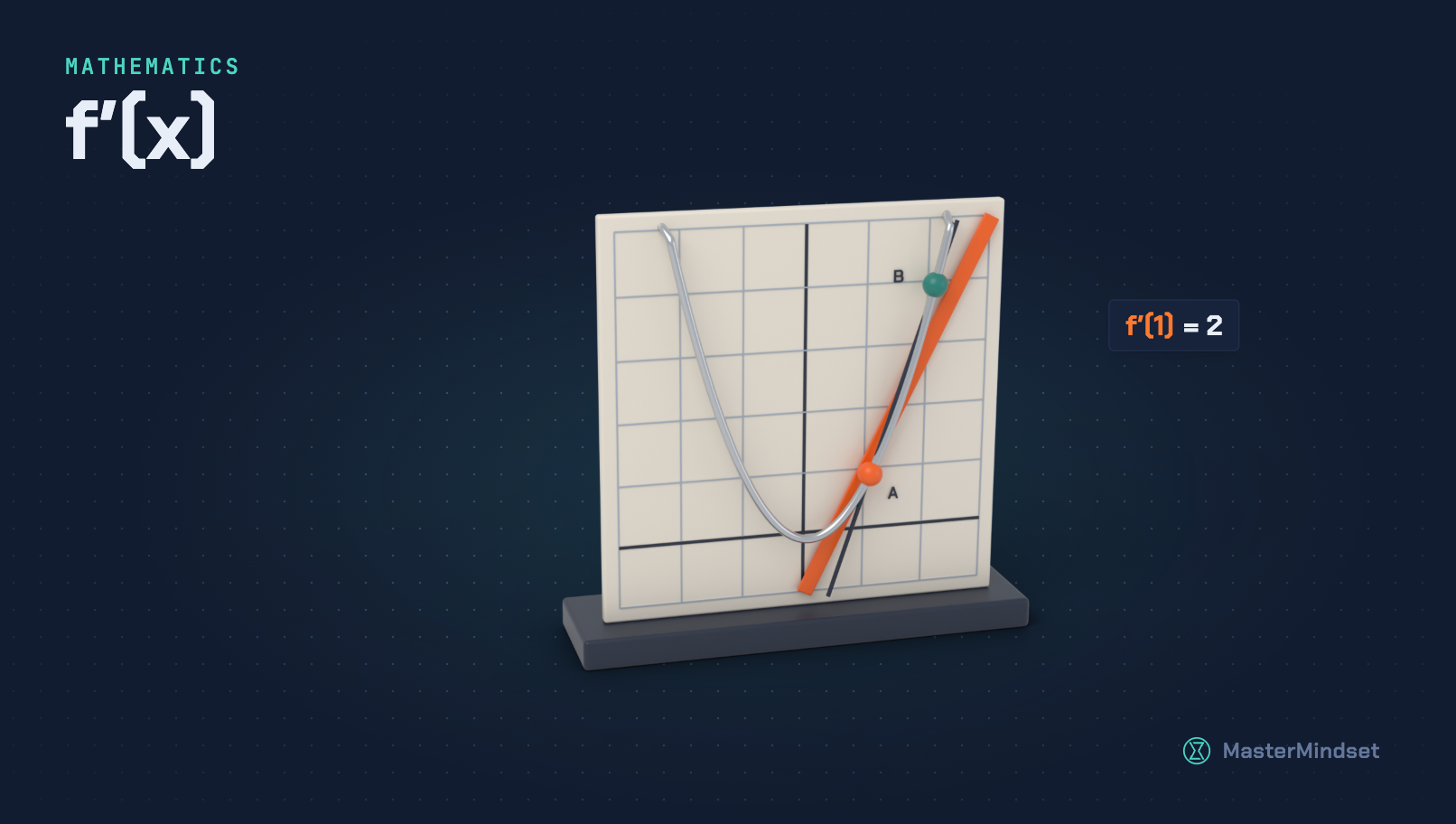
A slope needs two points. So what does the slope of a curve at one single point mean? Pull two points together and watch a secant turn into a tangent.
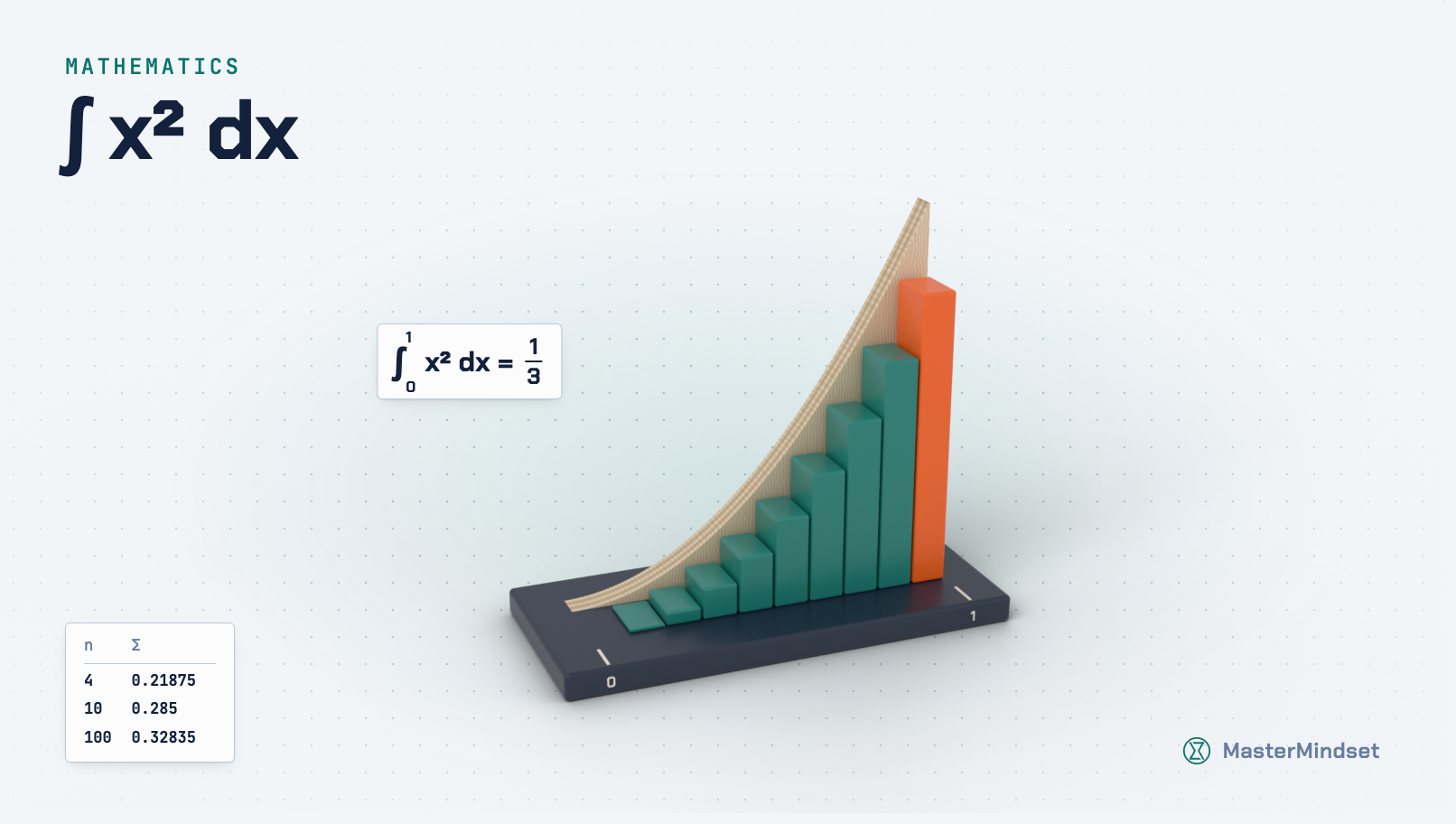
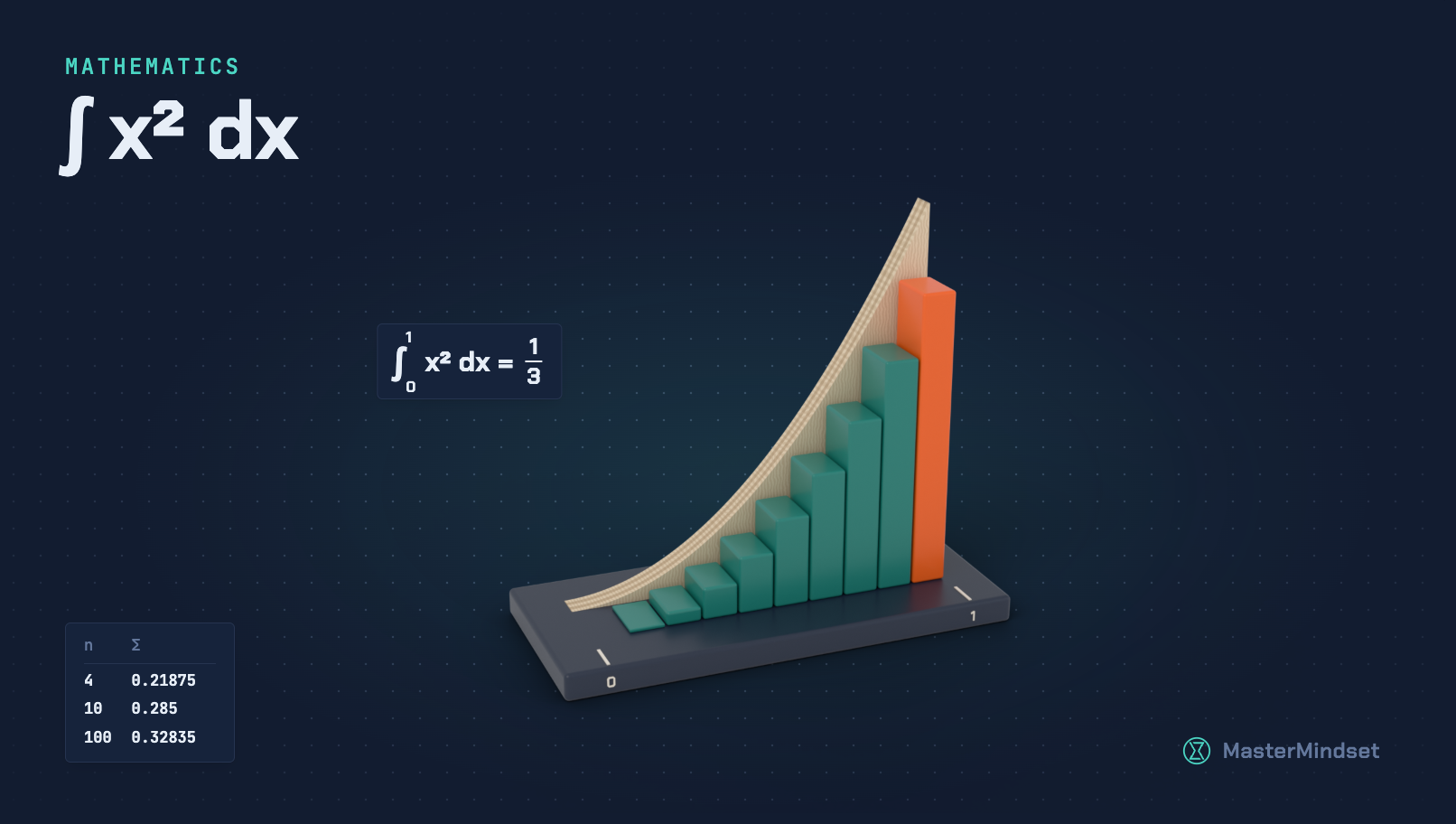
A shape with a curved side has no length-times-width formula. Stack thinner and thinner rectangles under the curve, watch where their total goes, then find the rule yourself.
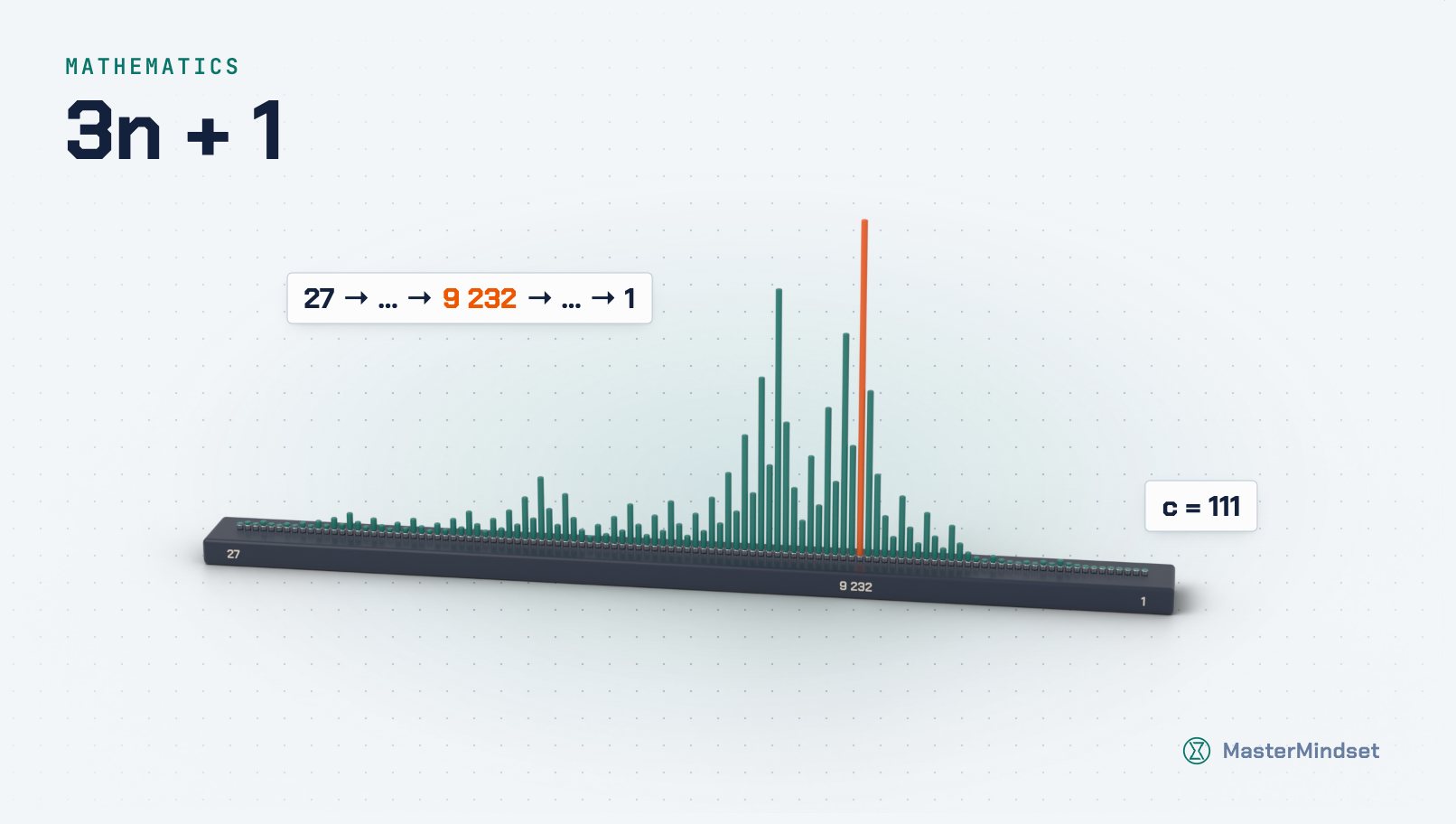
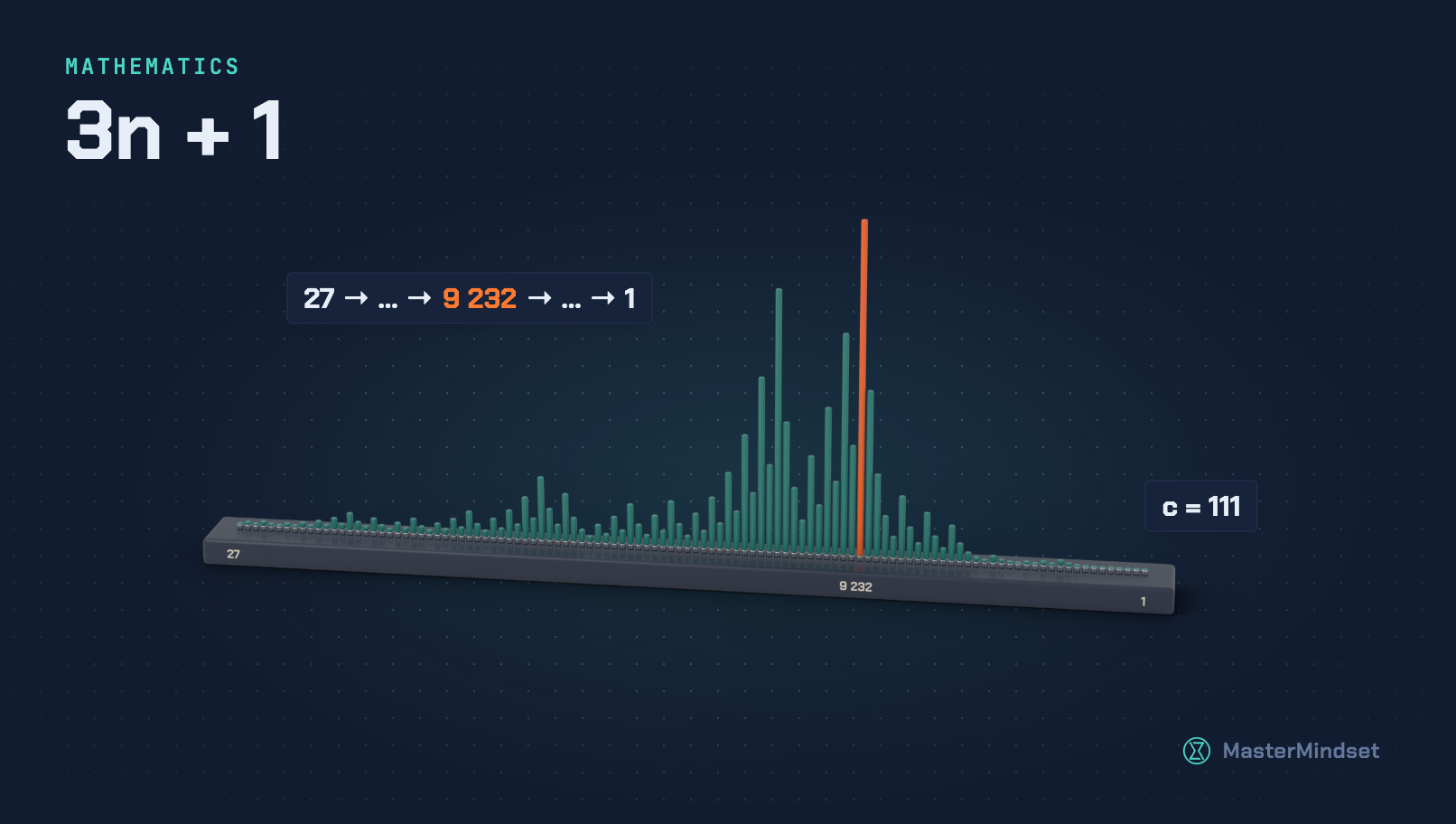
Halve an even number; triple an odd one and add one. Repeat: does every number fall to 1 in the end? Run the flowchart, trace it by hand, and meet a question mathematics still cannot answer.