
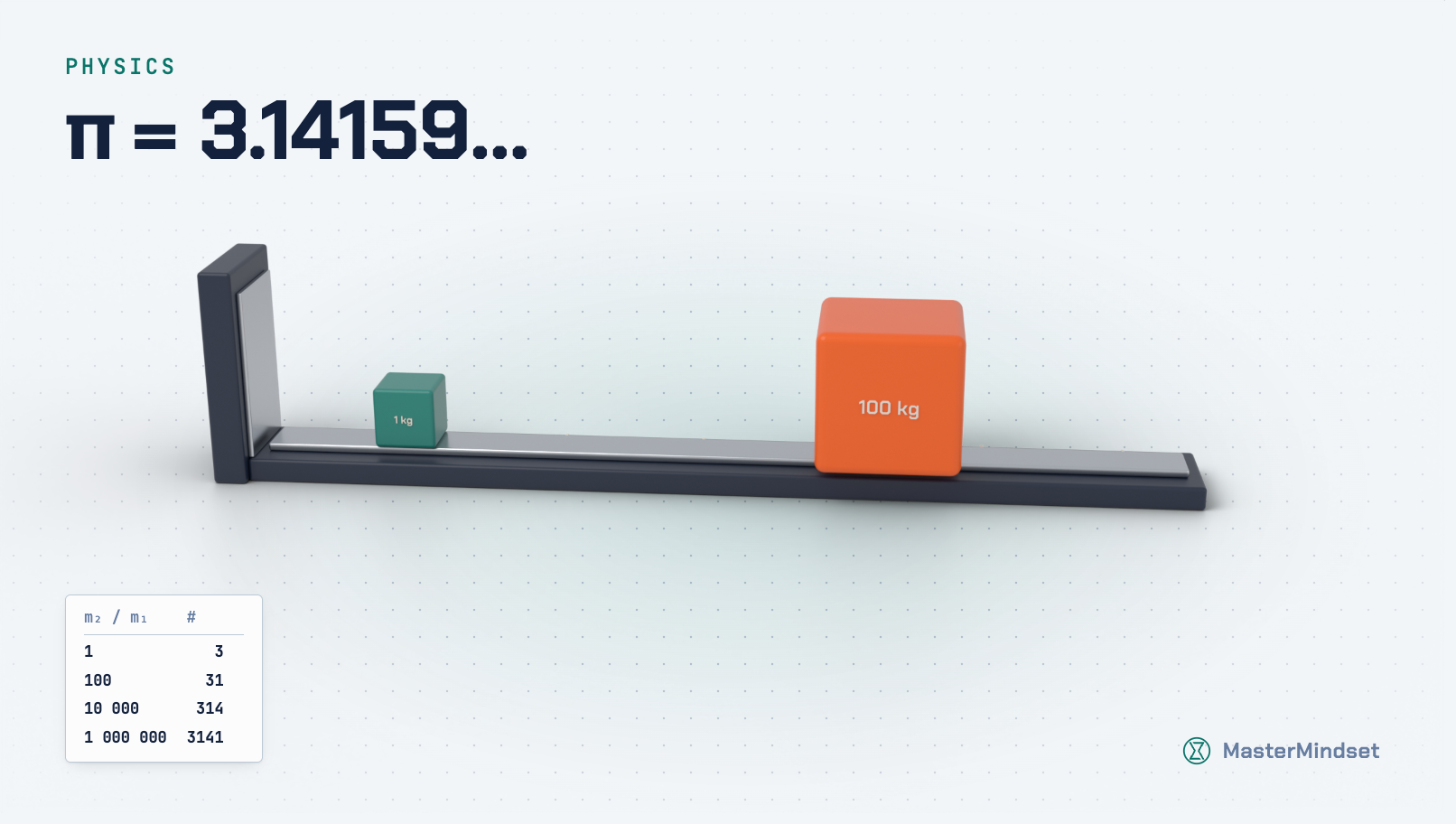
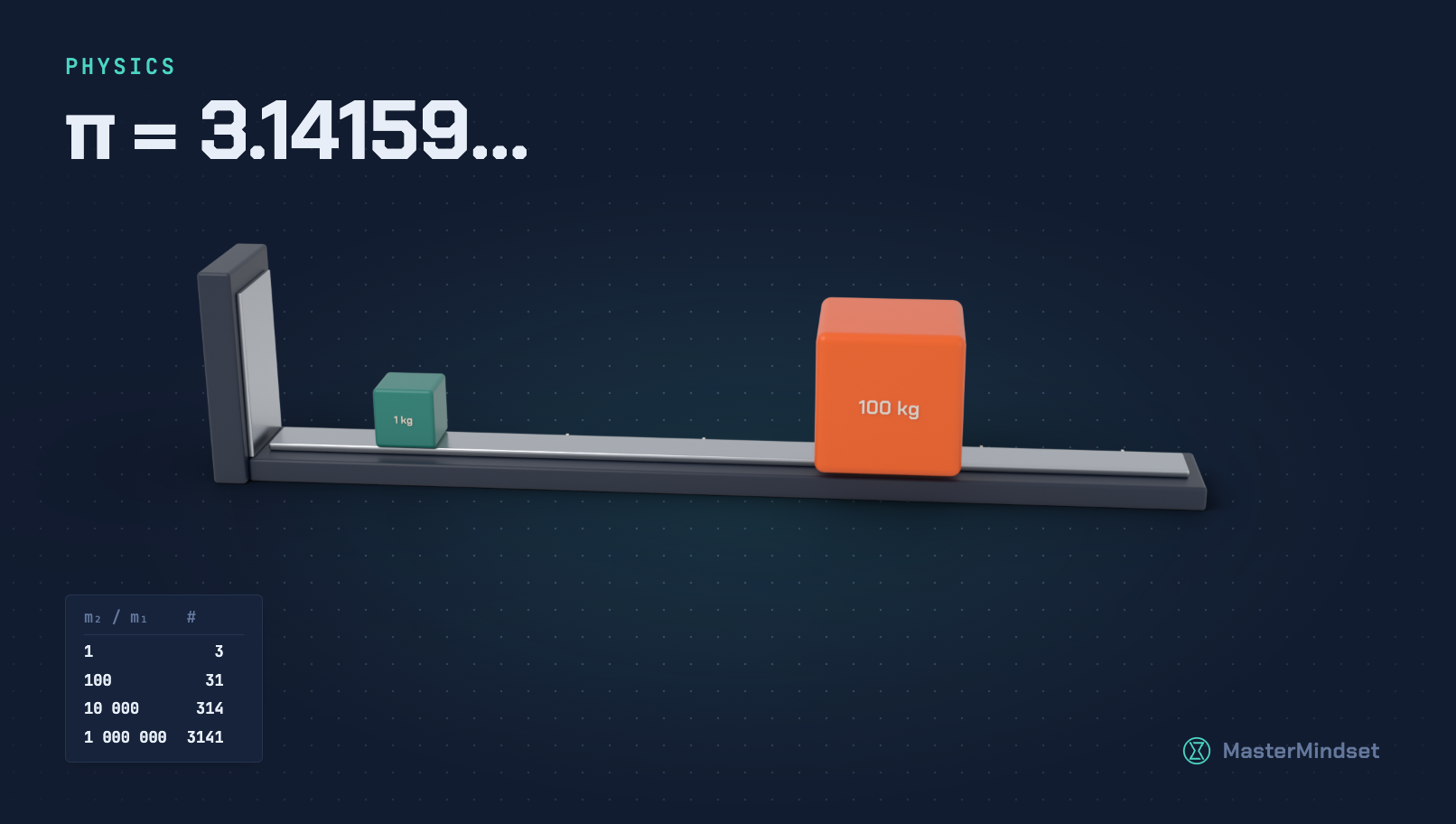
Why do two colliding blocks count out the digits of π?
A heavy block slides into a light one beside a wall. Count the collisions and you meet 3, 31, 314… A circle explains why.
- Fortgeschritten
- Etwa 7 Min.
- 5 Schritte
Eine Lerngemeinschaft für Menschen, die gern entdecken, selbst denken und den Dingen auf den Grund gehen.
Während sich KI rasant weiterentwickelt, wird es immer wichtiger, selbst zu denken und Probleme wirklich zu verstehen. An der Master Mindset Academy sind wir überzeugt: Lernen heißt nicht nur, Wissen aufzunehmen, sondern auch zu trainieren, wie wir denken, Fragen stellen und jedem Problem auf den Grund gehen.
Bauen Sie mit uns eine Gewohnheit des aktiven Lernens auf und entwickeln Sie Ihr Denken jeden Tag weiter.
Entdecken Sie, was die Master Mindset Academy besonders macht: interaktive Inhalte. Komplexe Theorien werden zu Simulationen, die Sie selbst steuern, und die manchmal weit mehr vermitteln als Seiten voller Text. Die Einstellungen zu ändern und das Ergebnis vorherzusagen, bevor man es ausführt, ist außerdem eine gute Probe, ob man das Problem wirklich verstanden hat.
Fünf kleine Rätsel, jedes für eine Denkweise. Sagen Sie das Ergebnis voraus und prüfen Sie es dann an der Darstellung.
A heavy block slides into a light one beside a wall. Count the collisions and you meet 3, 31, 314… A circle explains why.
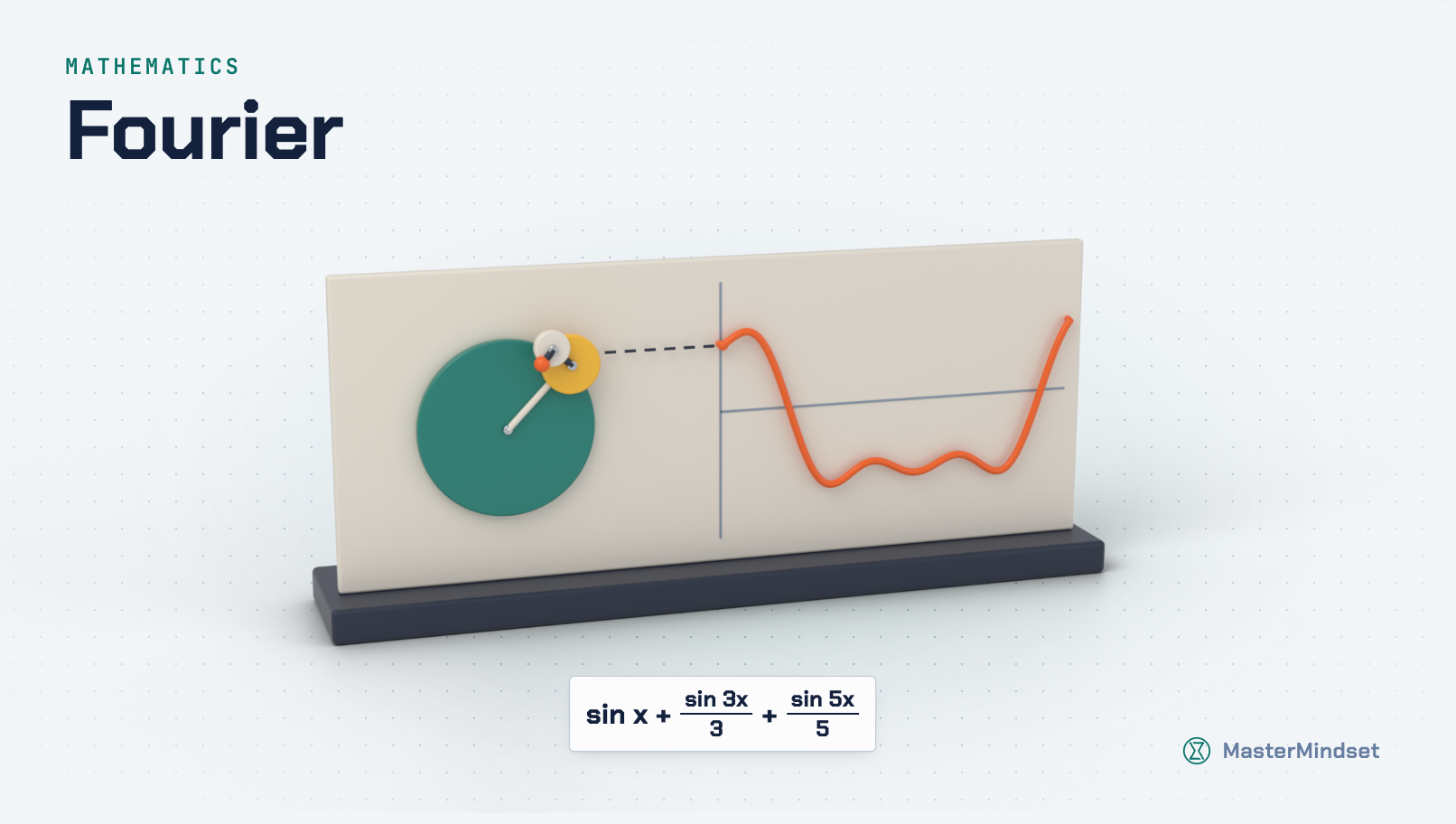
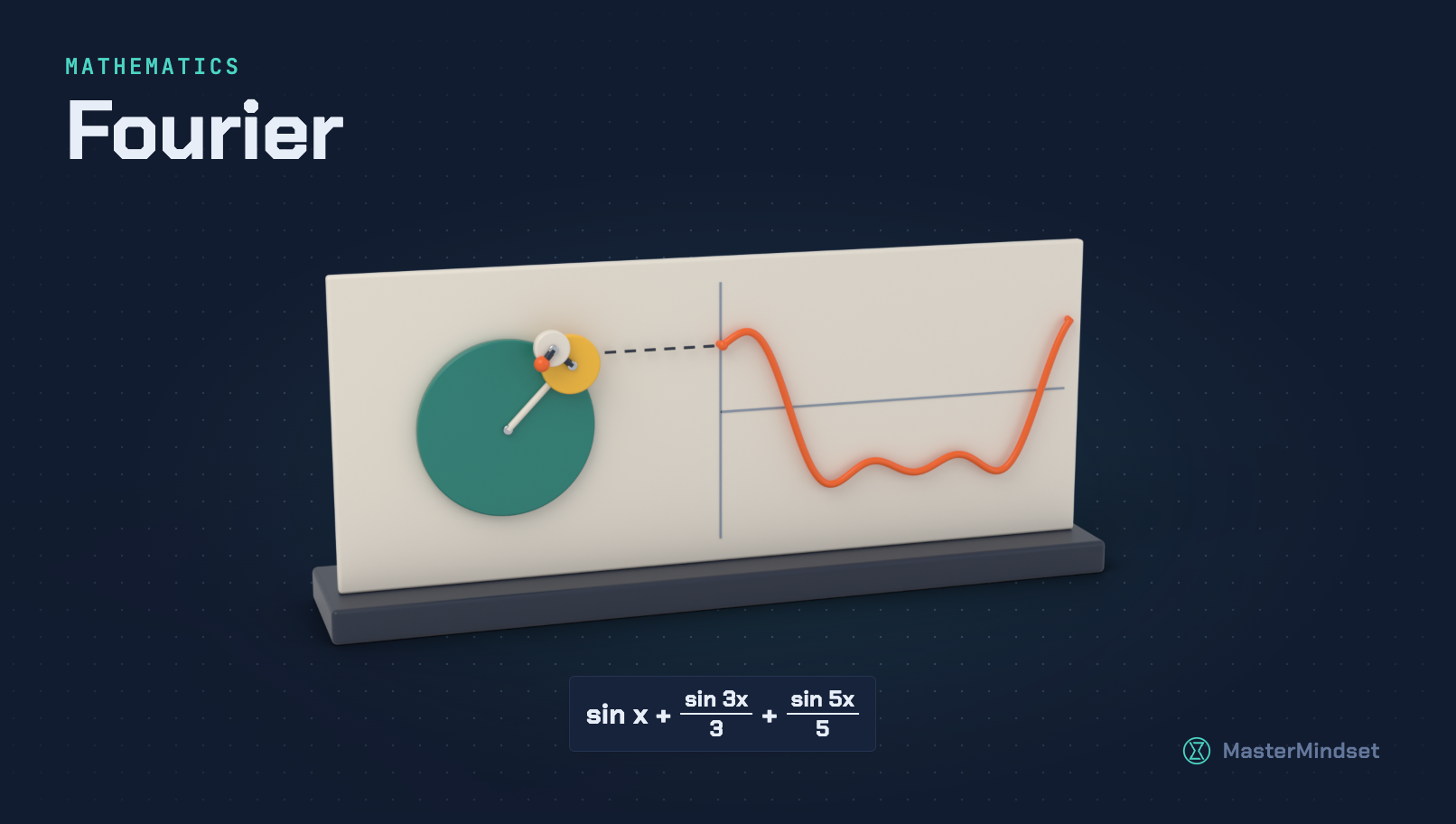
A sine wave is smooth; a square wave has corners. Yet the more sine waves you add, the more the sum looks like a square wave. Watch turning circles draw it, then mix a wave of your own.
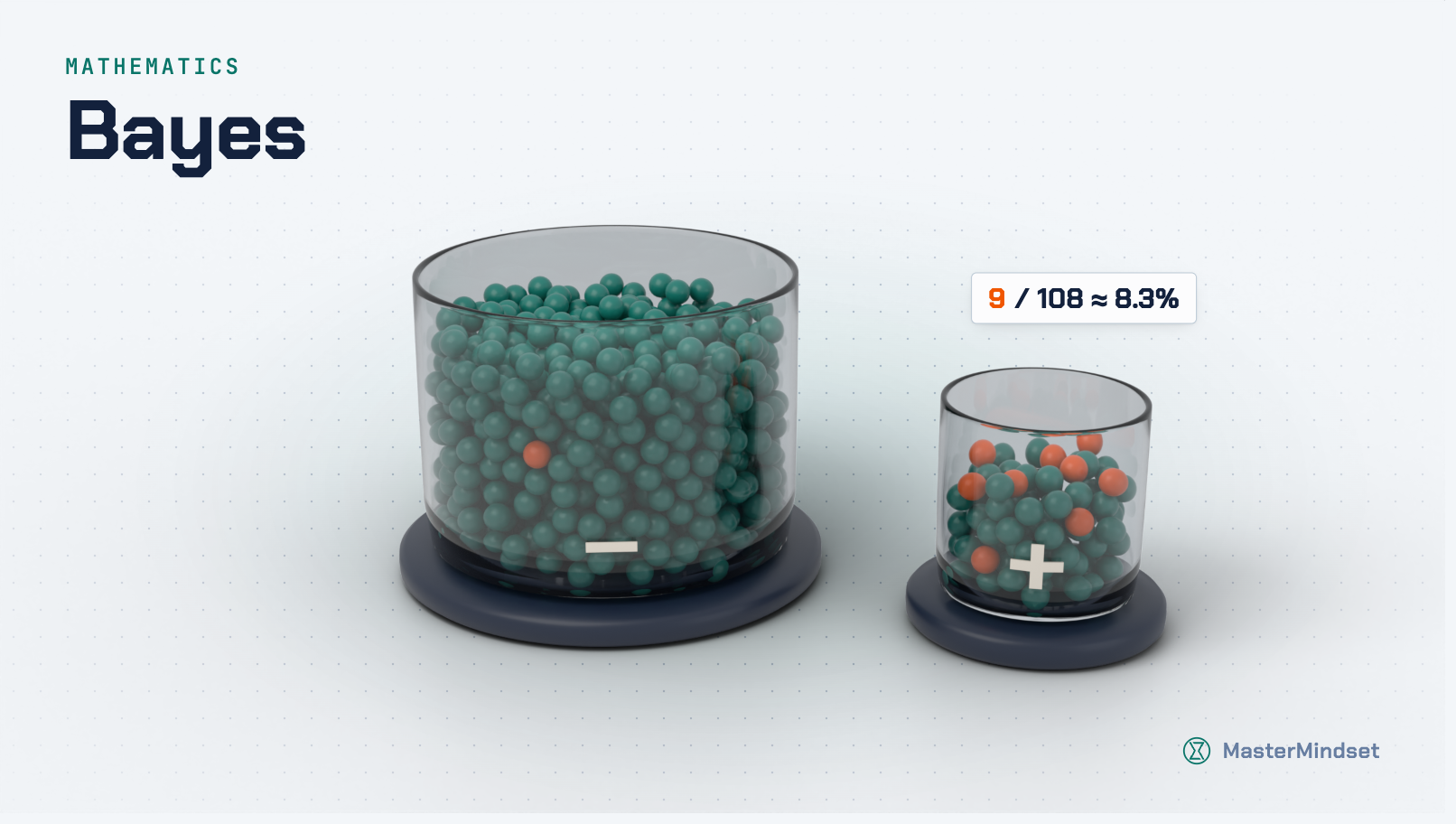
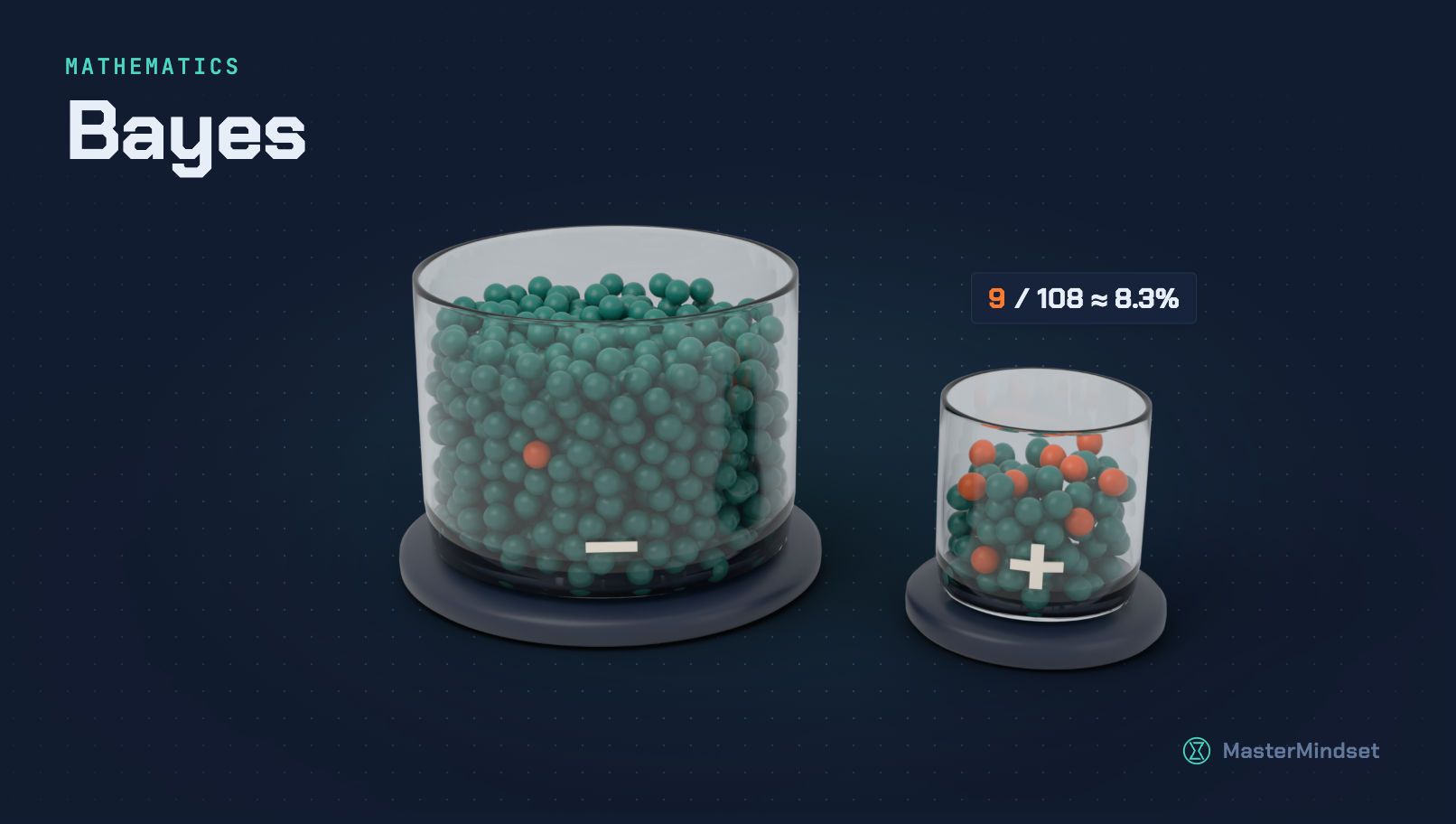
You test positive on a test that finds 90% of the people who have an illness. Guess how likely you are to have it, then let 1,000 dots answer.
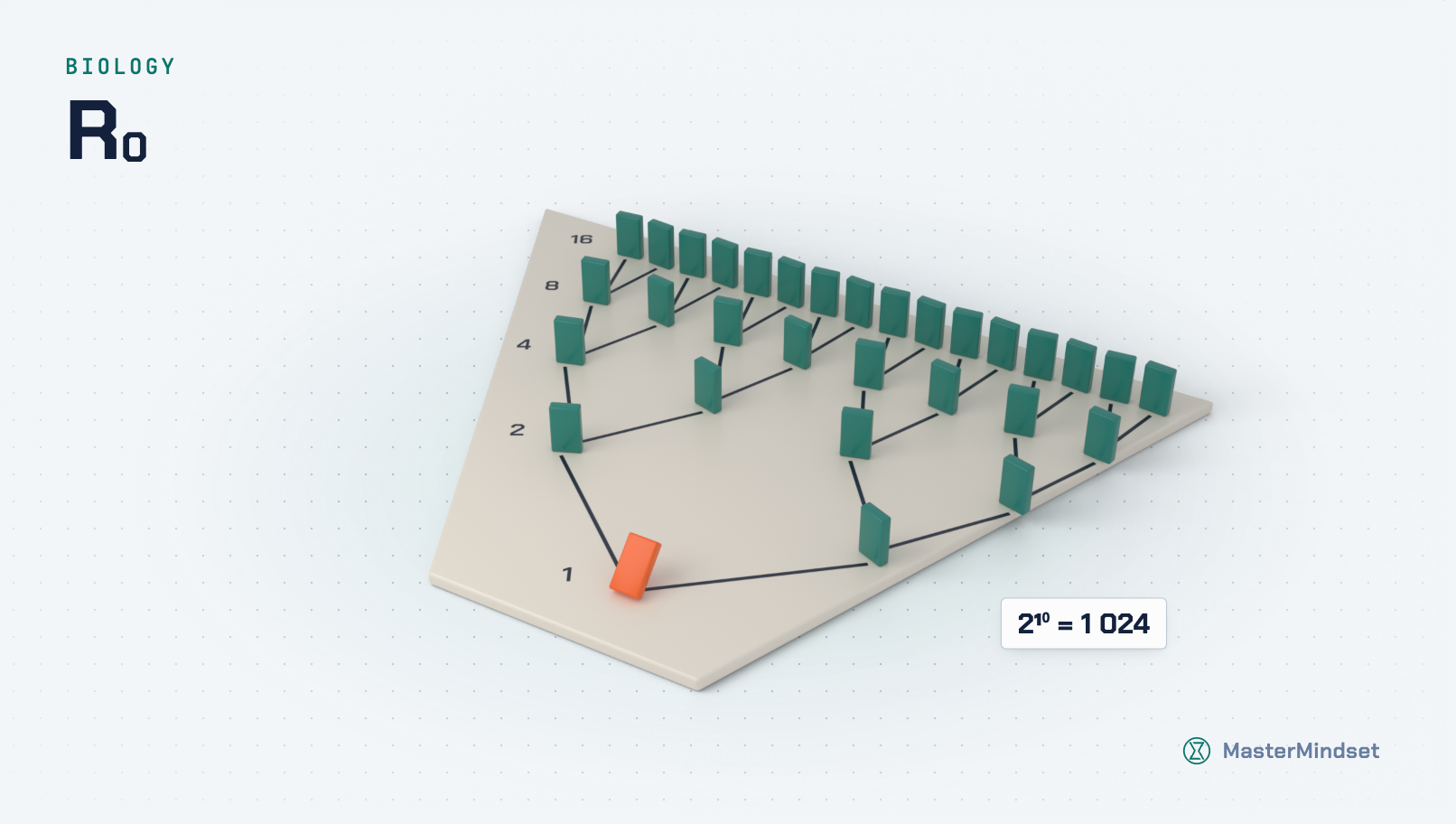
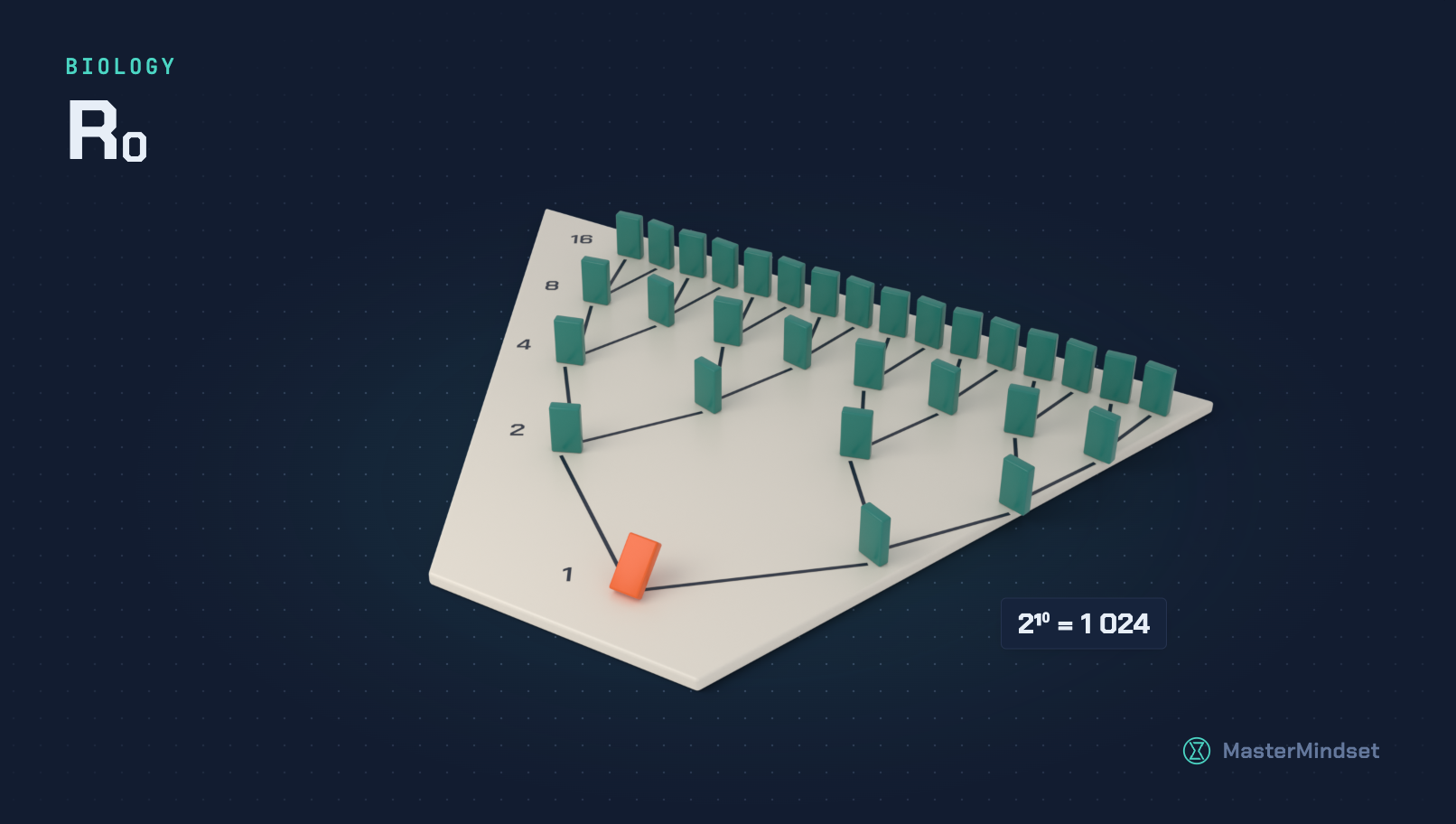
Why does an outbreak grow so fast, then slow down by itself? Run 1,000 dots through the generations and watch the number that decides whether it grows or dies down.
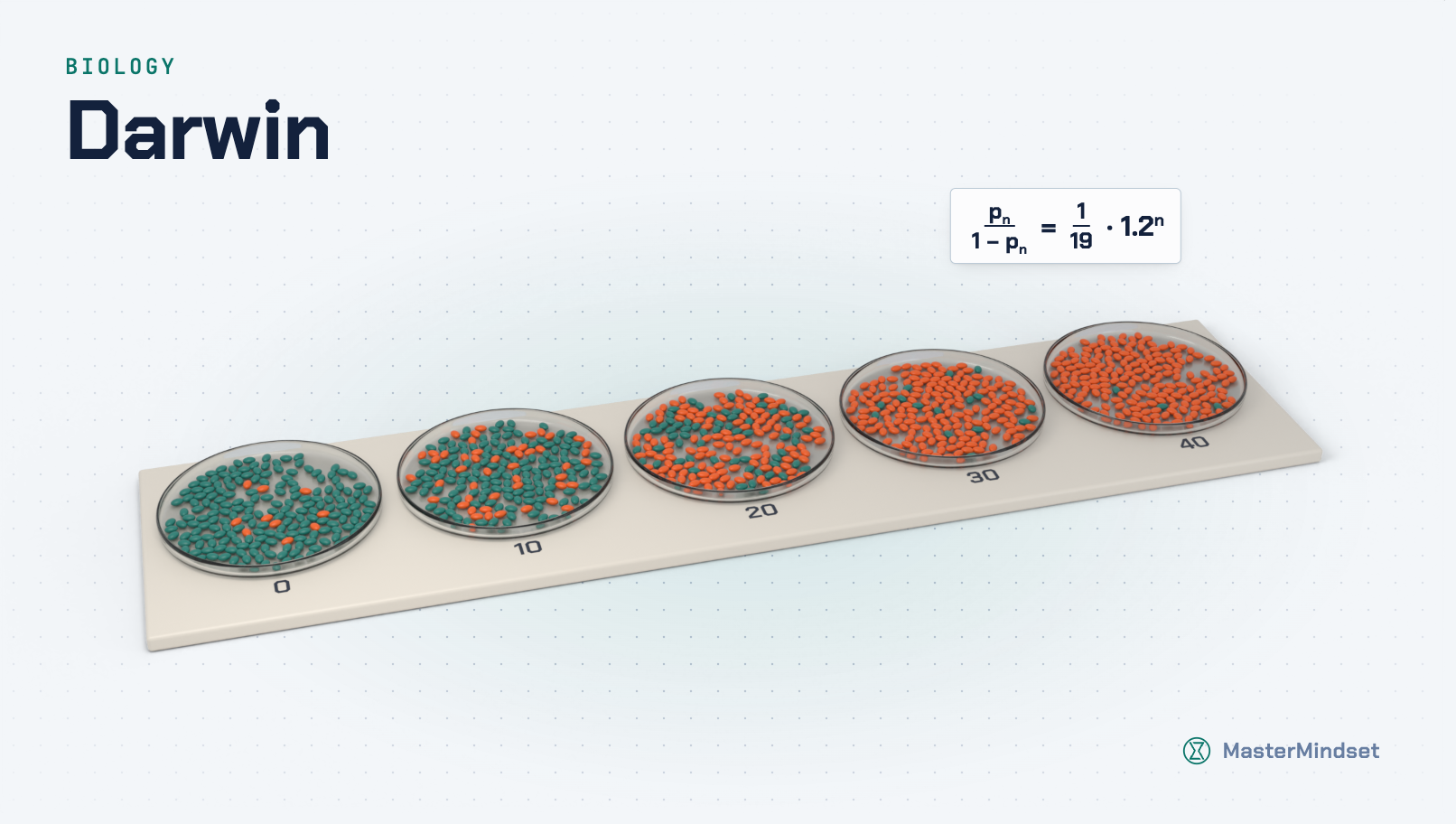
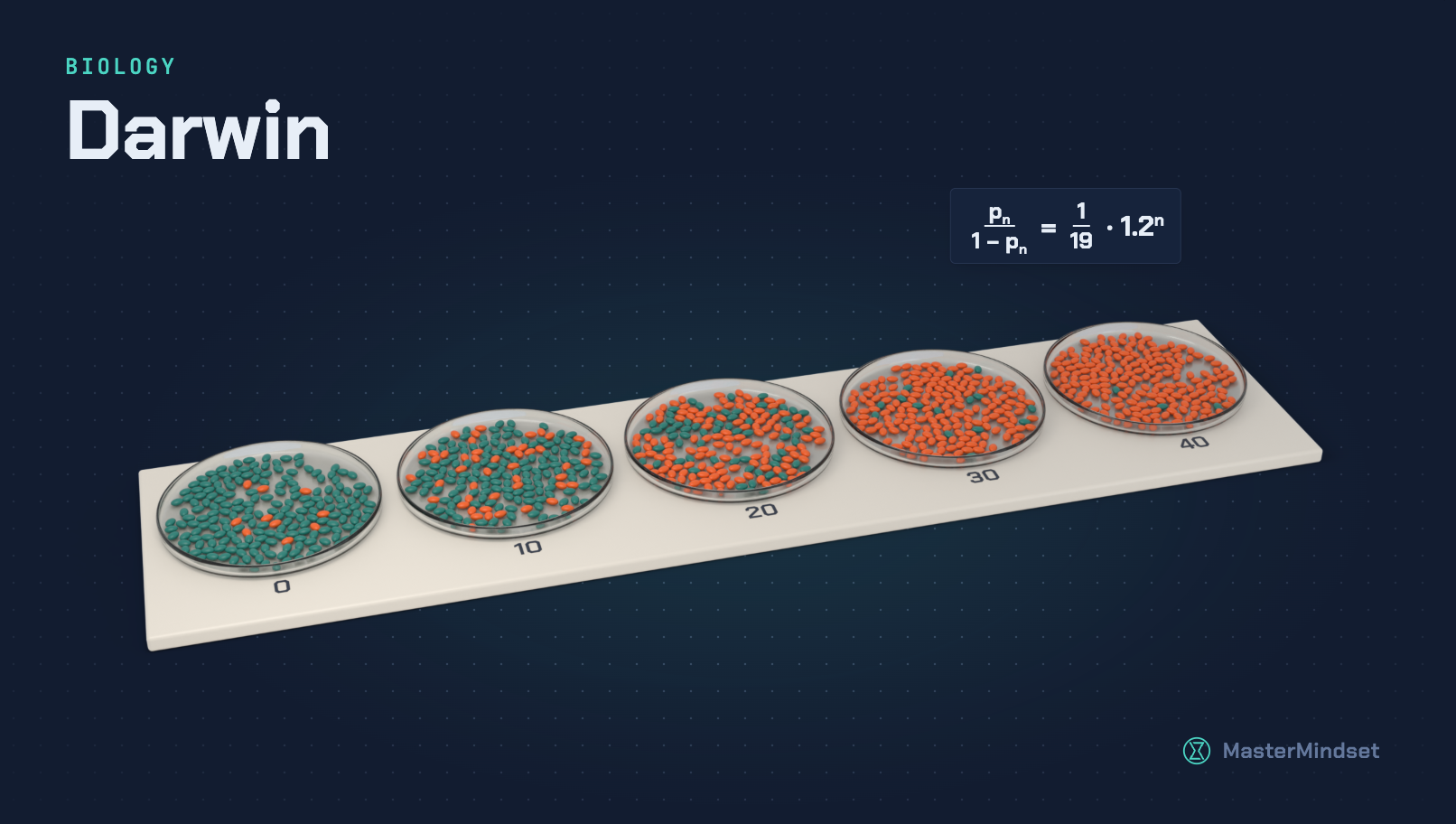
200 beetles in two colours, a background and a predator. Run the generations to watch natural selection at work, and to see where chance comes in.
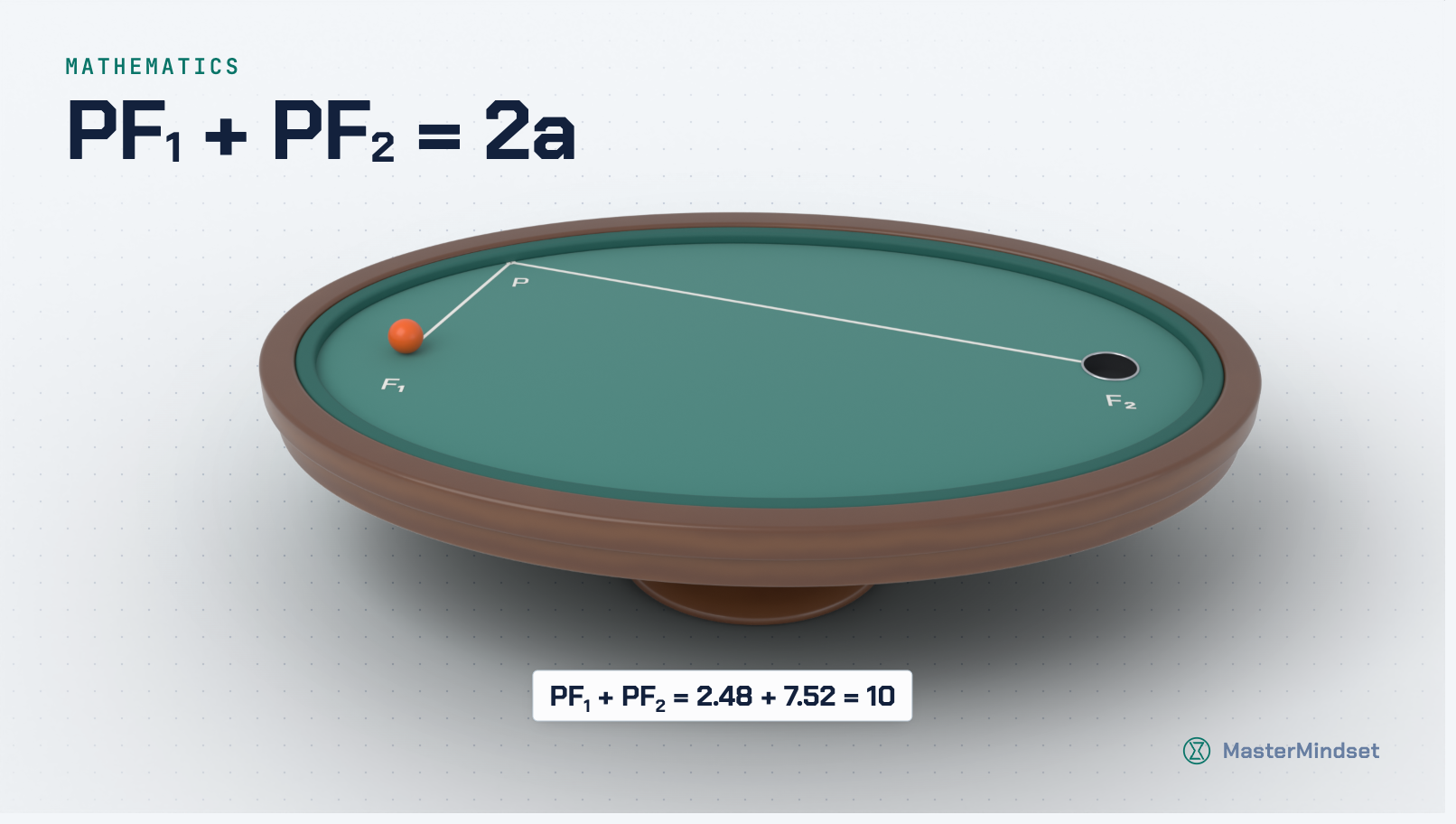
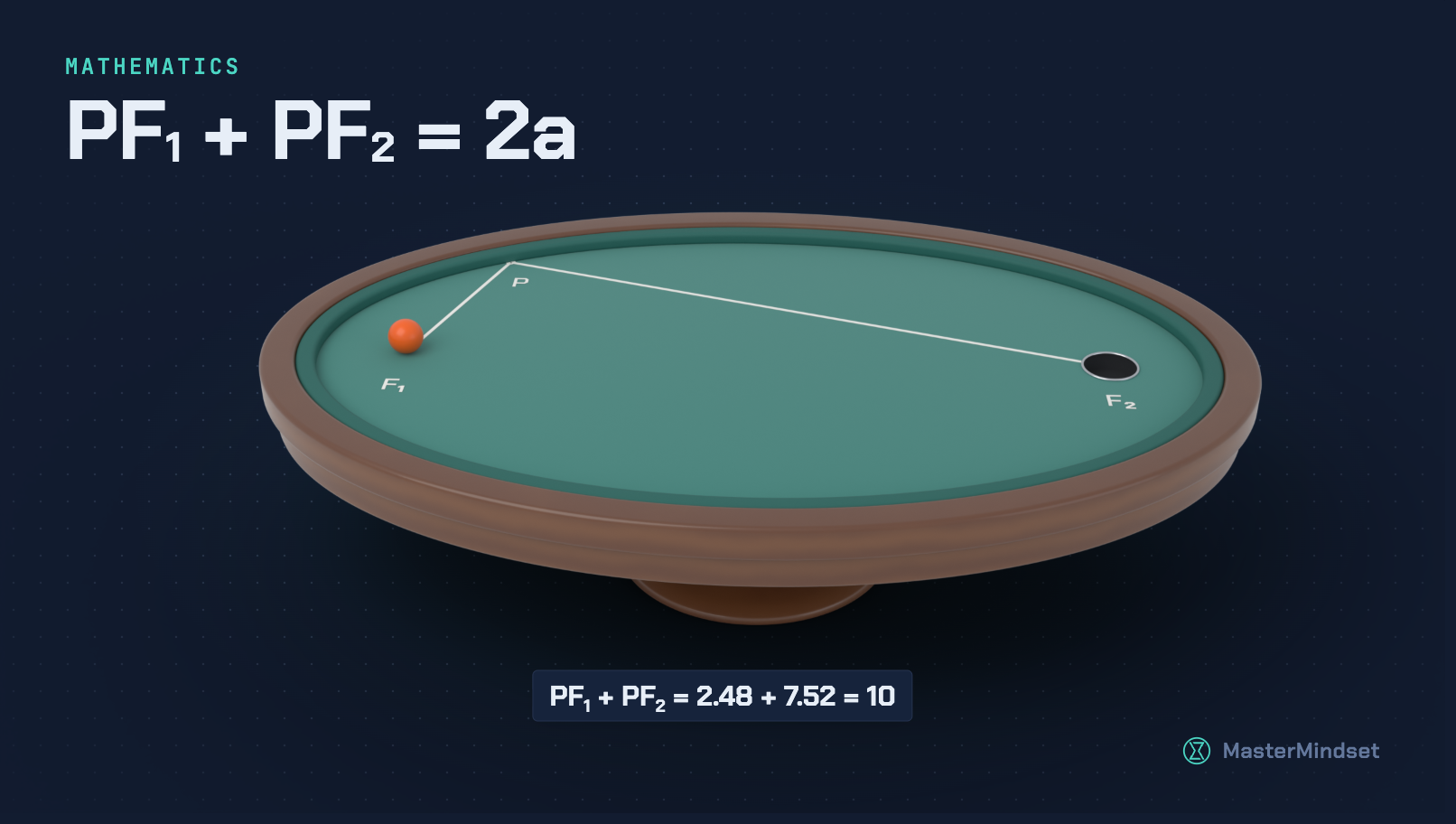
On an elliptical pool table a ball from one focus always bounces to the other. A ball that misses the foci slowly draws a curve that it never crosses.
Jeder Kurs folgt einem klaren Weg, Lektion für Lektion, mit Übungen in den Lektionen. Lesen Sie hier die Gliederung und lernen Sie dann mit demselben Konto in der Akademie.
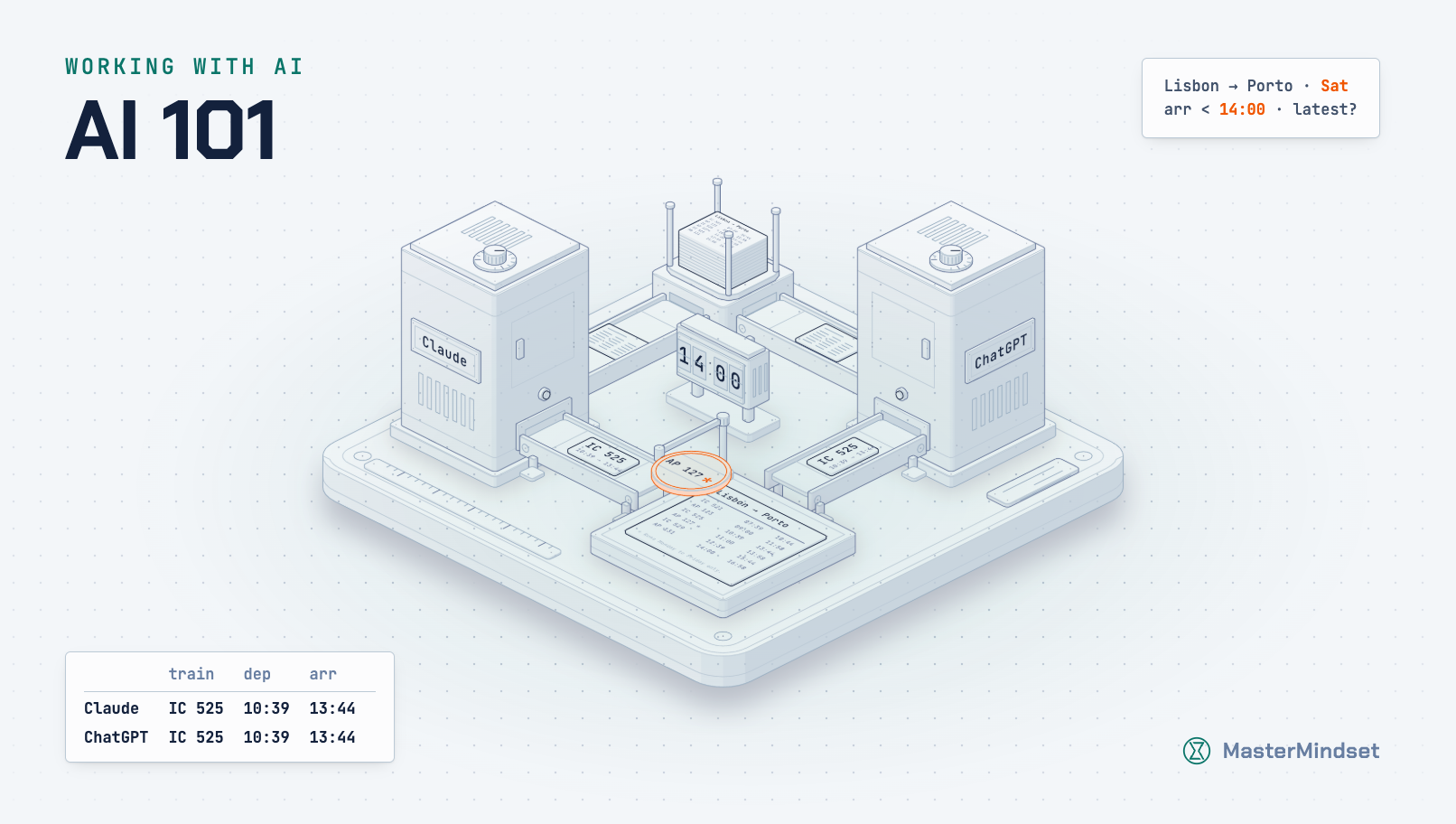
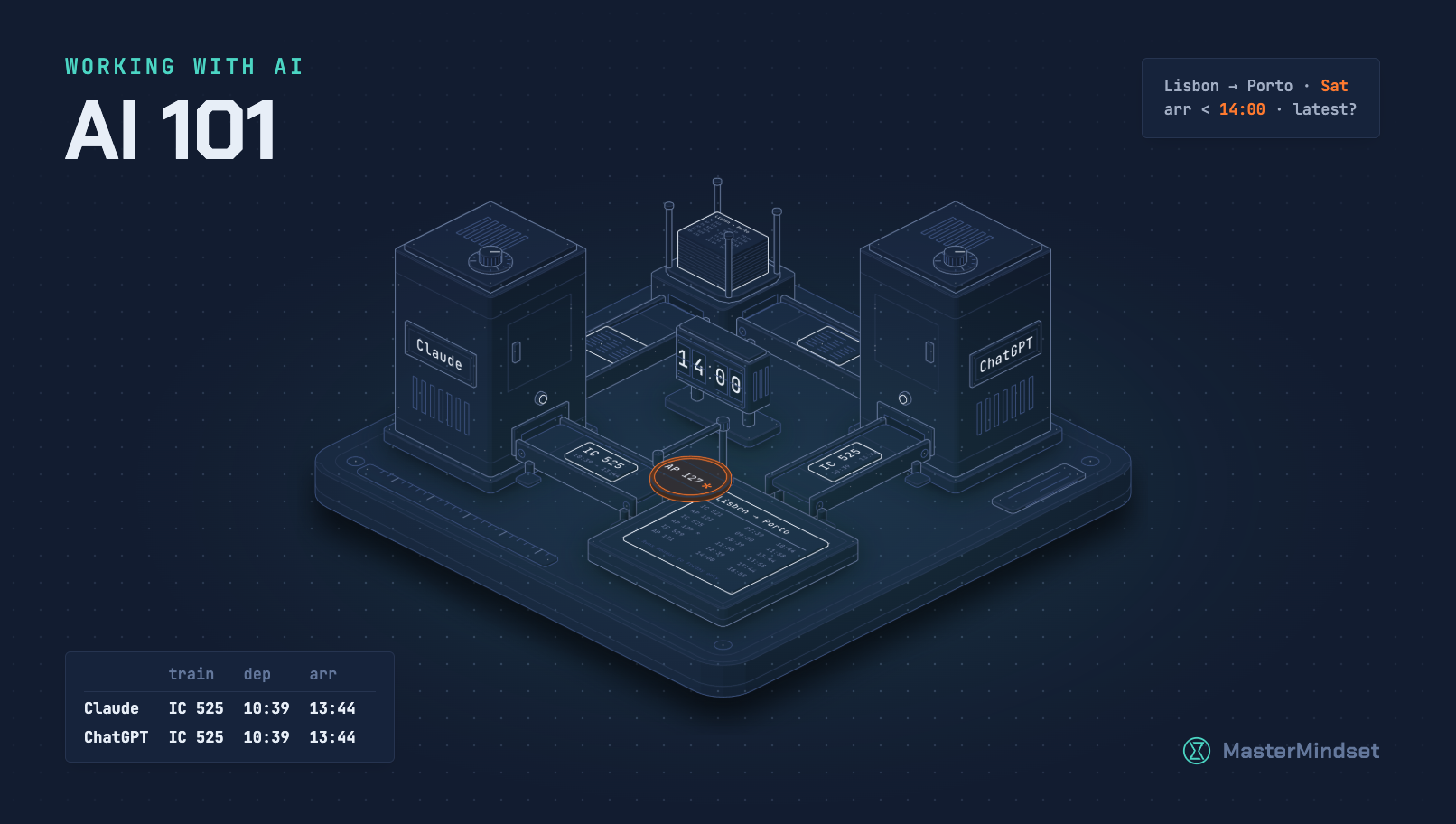
Claude and ChatGPT share many features; mostly the names and the buttons differ. The course puts them side by side, with real screenshots and recorded examples from both, and teaches how to think while you use them: what to hand over, how to say enough, how far to trust an answer. No account needed to follow it.
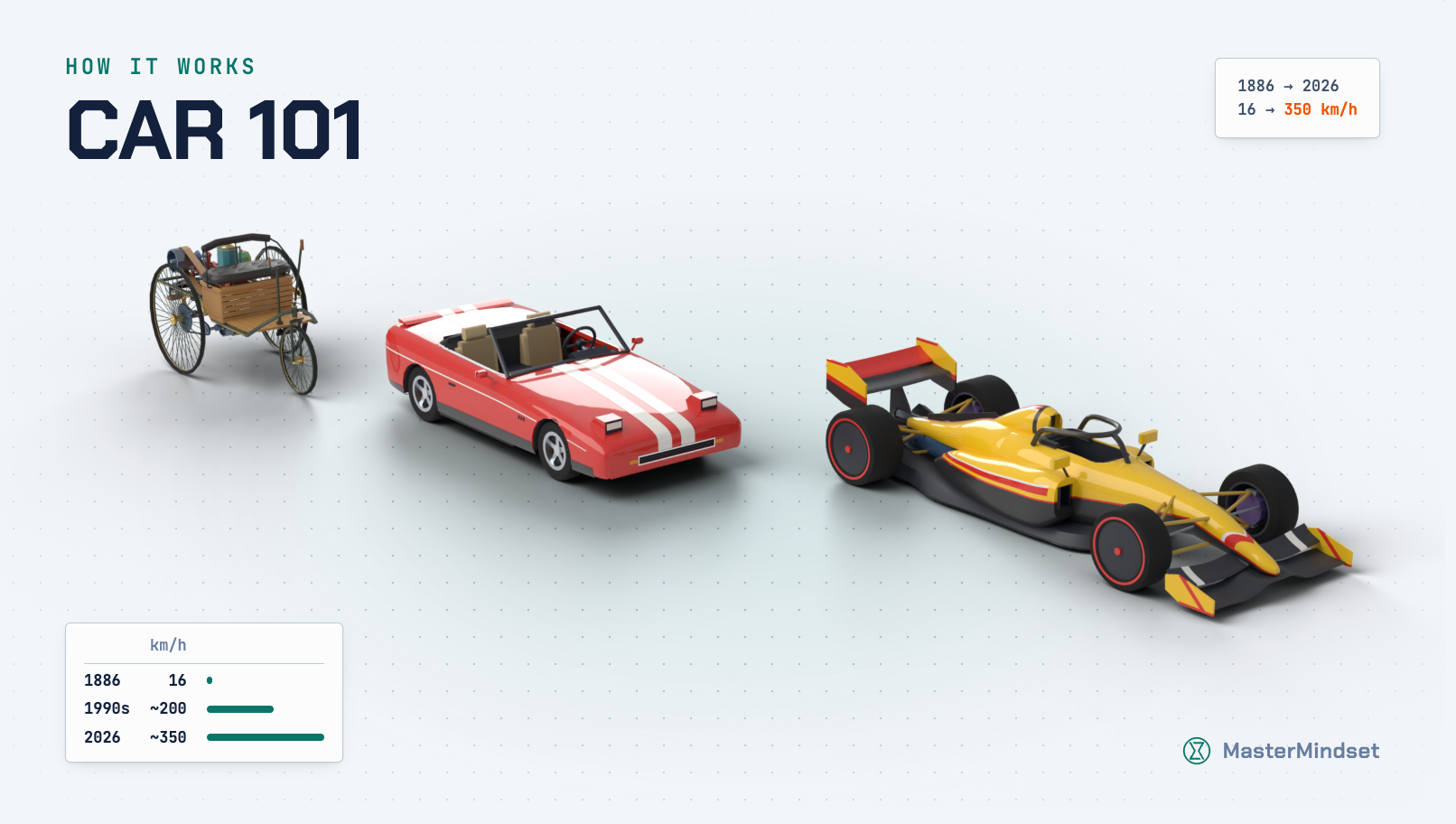
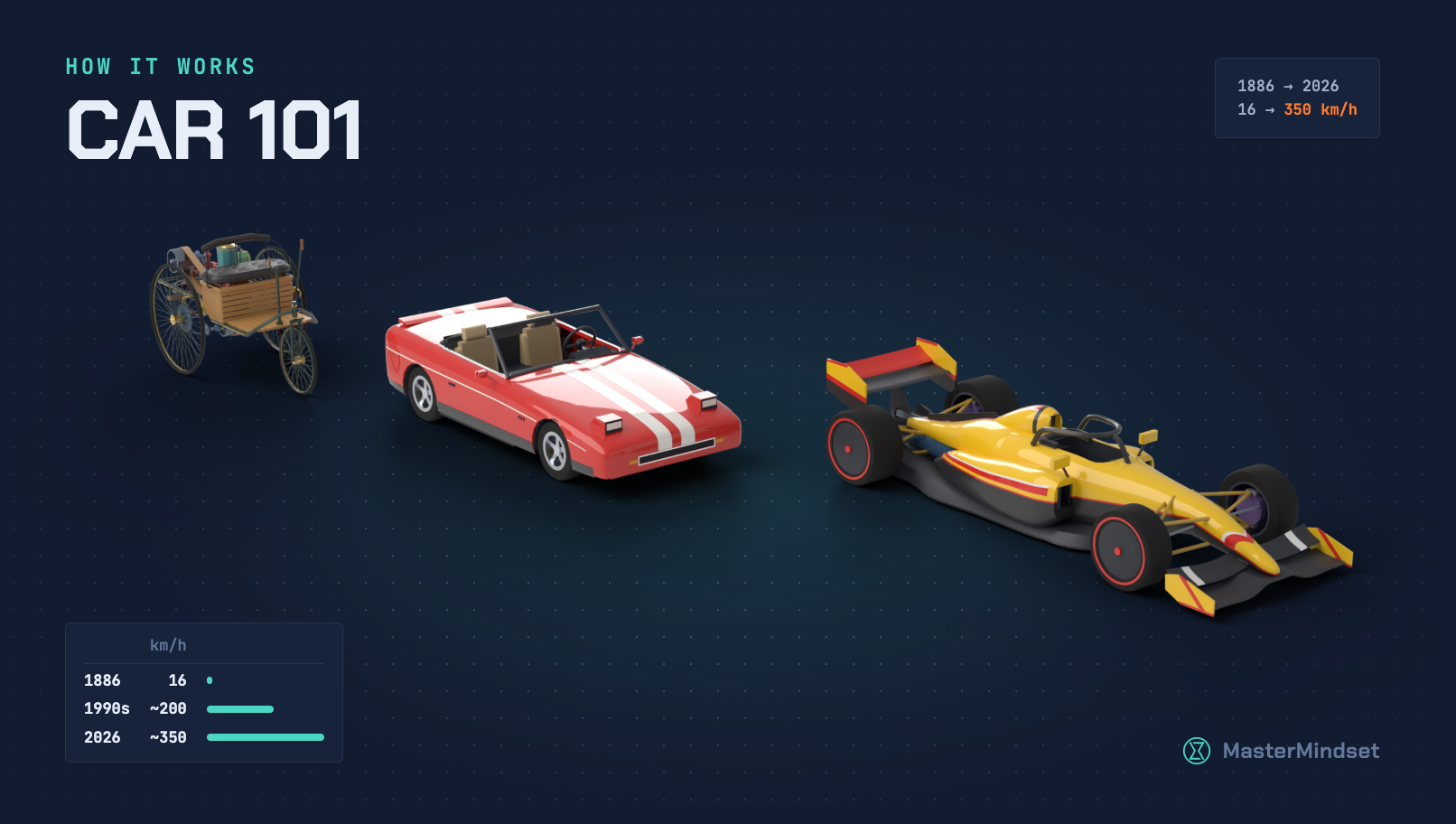
The first car, in 1886, ran at about 16 km/h. Race cars today pass 350 km/h. The course goes through a car system by system, from the engine, gears and wheels to the brakes and wings, to see what each generation upgraded and why it got faster. You assemble three cars in your own workshop, and at the end you drive the race car round a track.
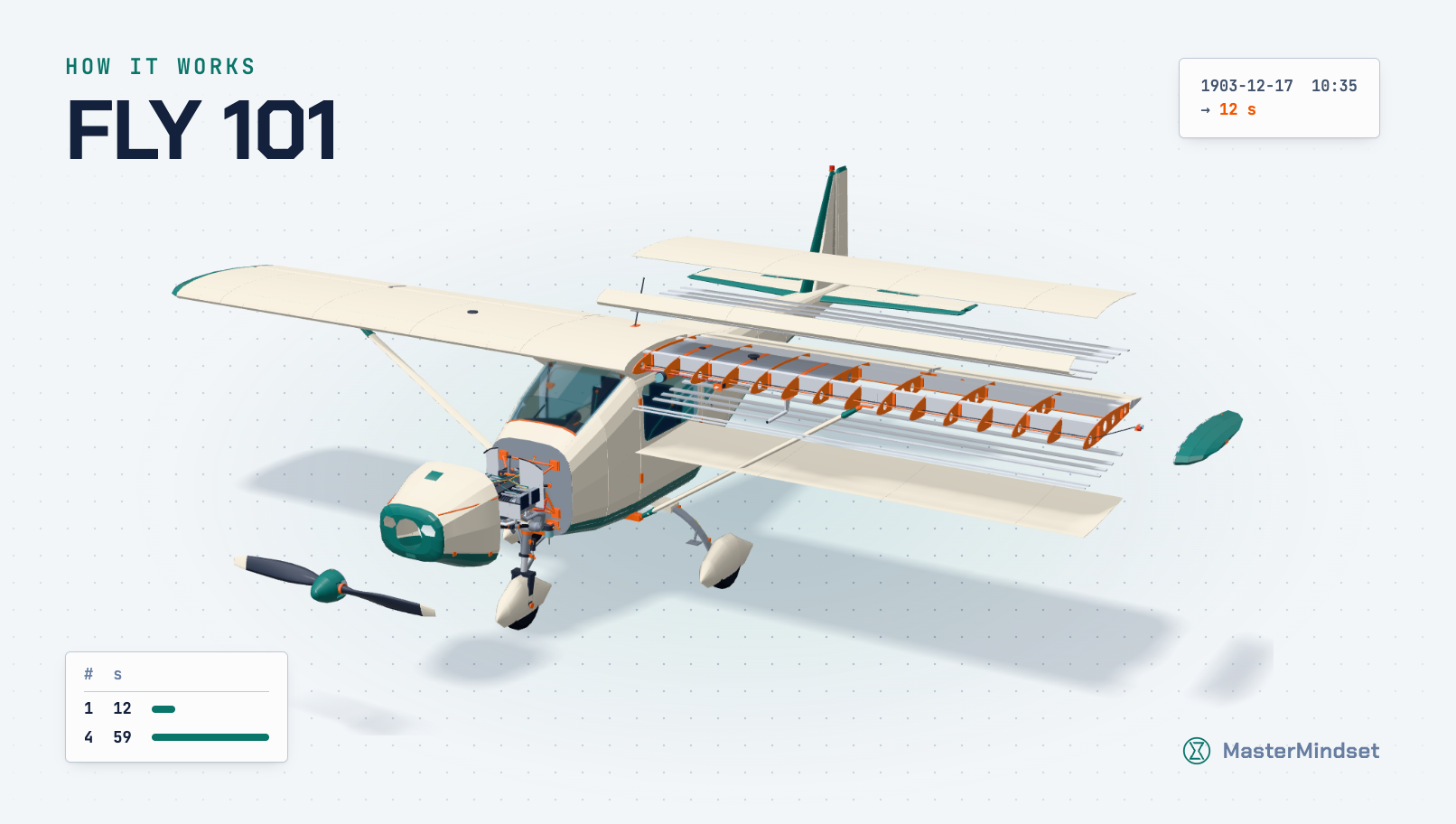
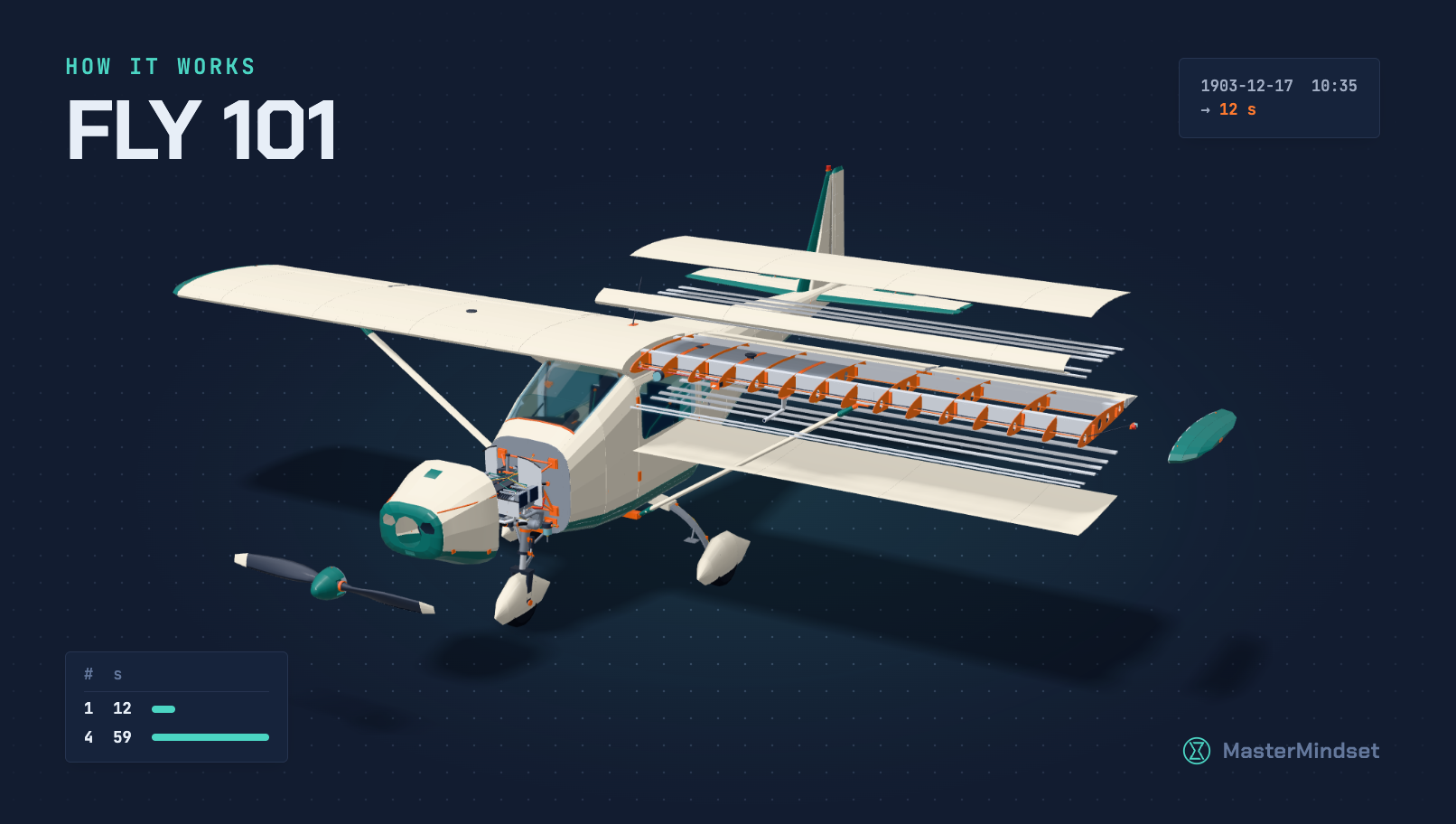
How do tonnes of metal stay in the sky? The course starts with the Wright brothers' 1903 Flyer, then assembles a training plane on your bench, part by part. Every piece is there for a reason. At the end, you build one yourself and test-fly it.
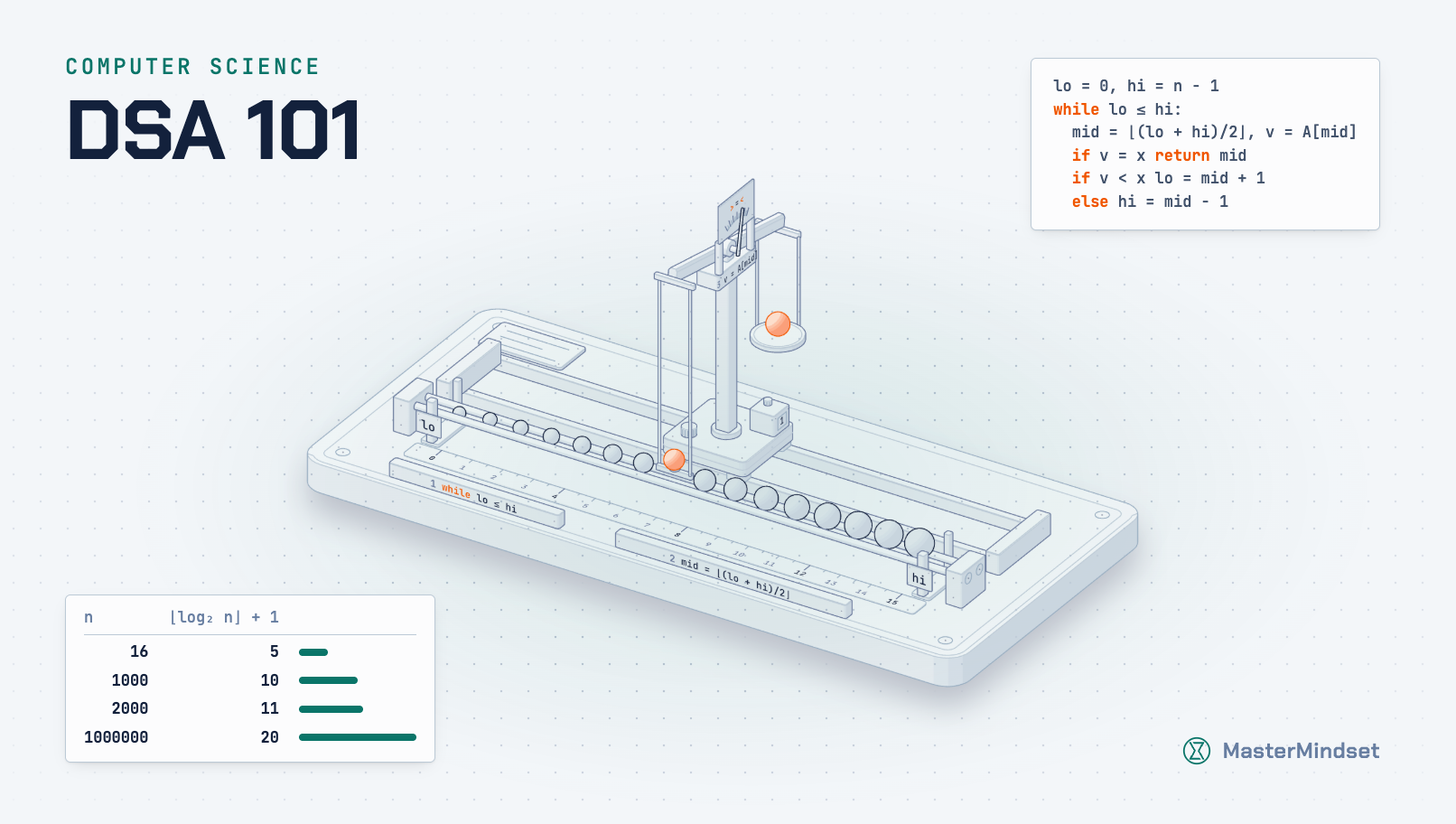
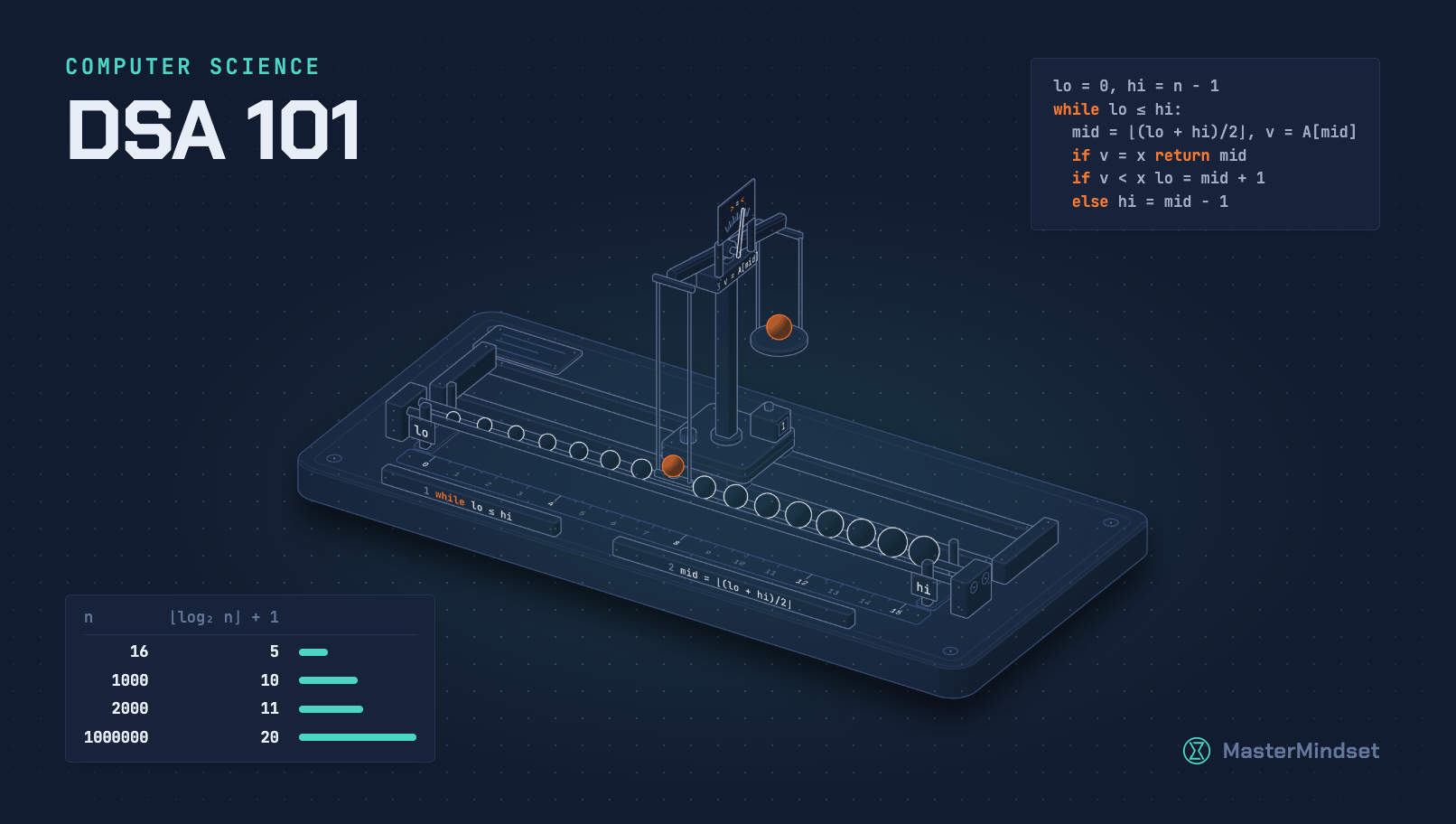
Data structures and algorithms for university students: searching, sorting, stacks, queues, recursion, hash tables, trees and graphs. Every chapter starts from a real problem; you watch, predict, make each move of the algorithm yourself, compare how well the algorithms do as the data grows and write them in blocks. No programming needed.
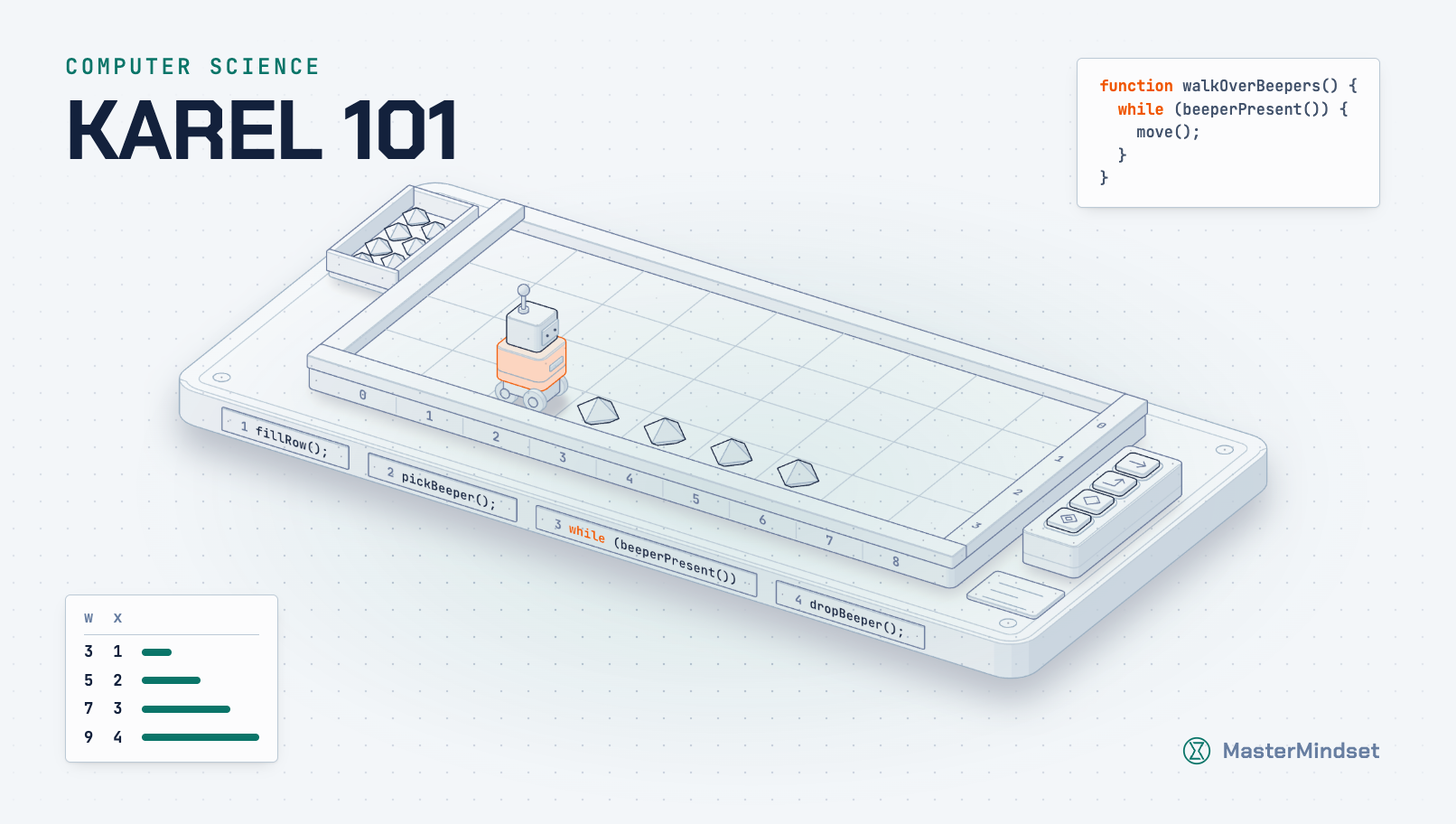
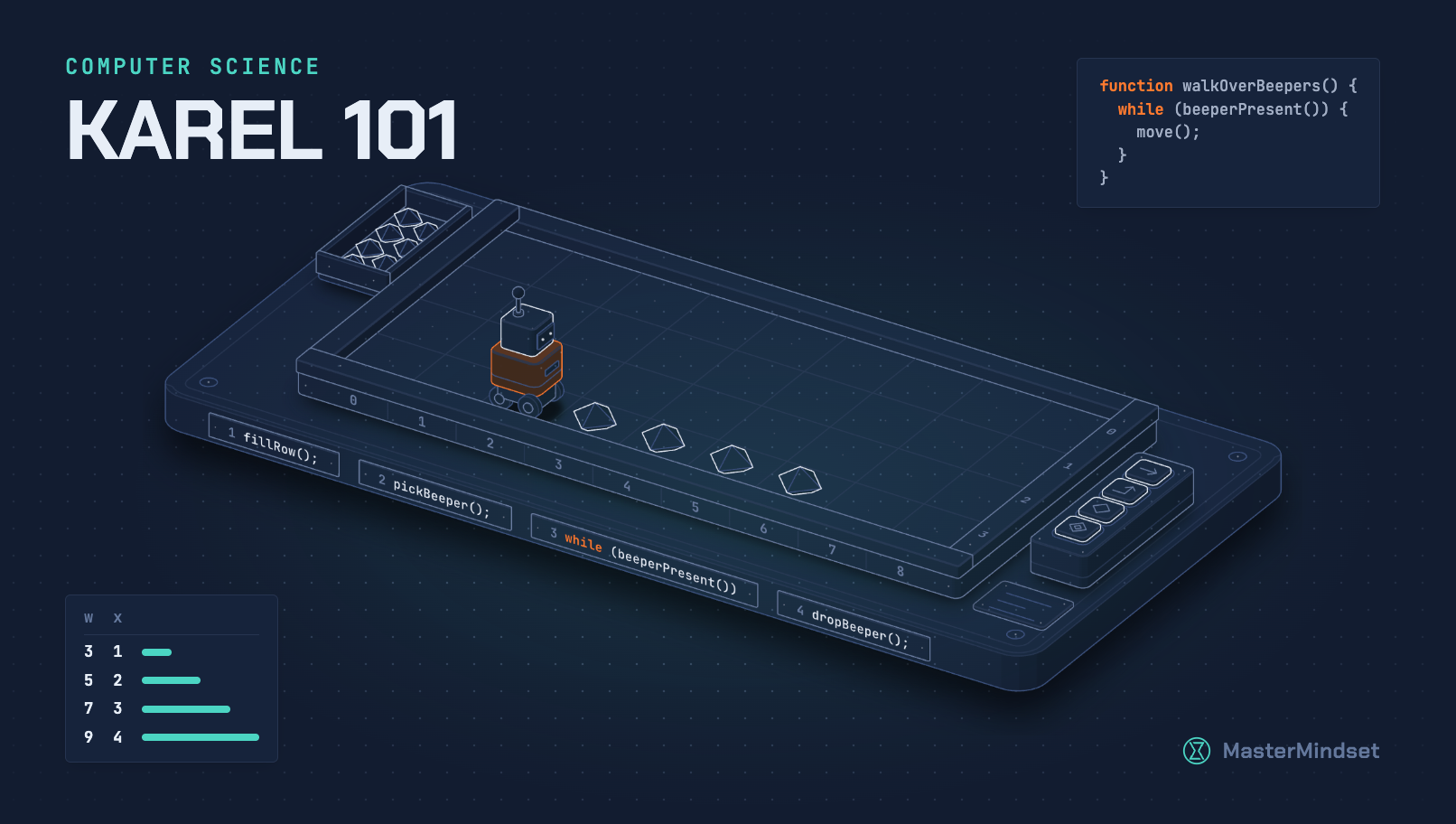
Learn the programming mindset and practise it with Karel the robot. Through small puzzles you practise how programmers think: predicting and then checking, breaking a big job into named parts, spotting what repeats, thinking of every case, and finding bugs by reasoning instead of guessing. These moves work away from the computer too. No programming experience needed.
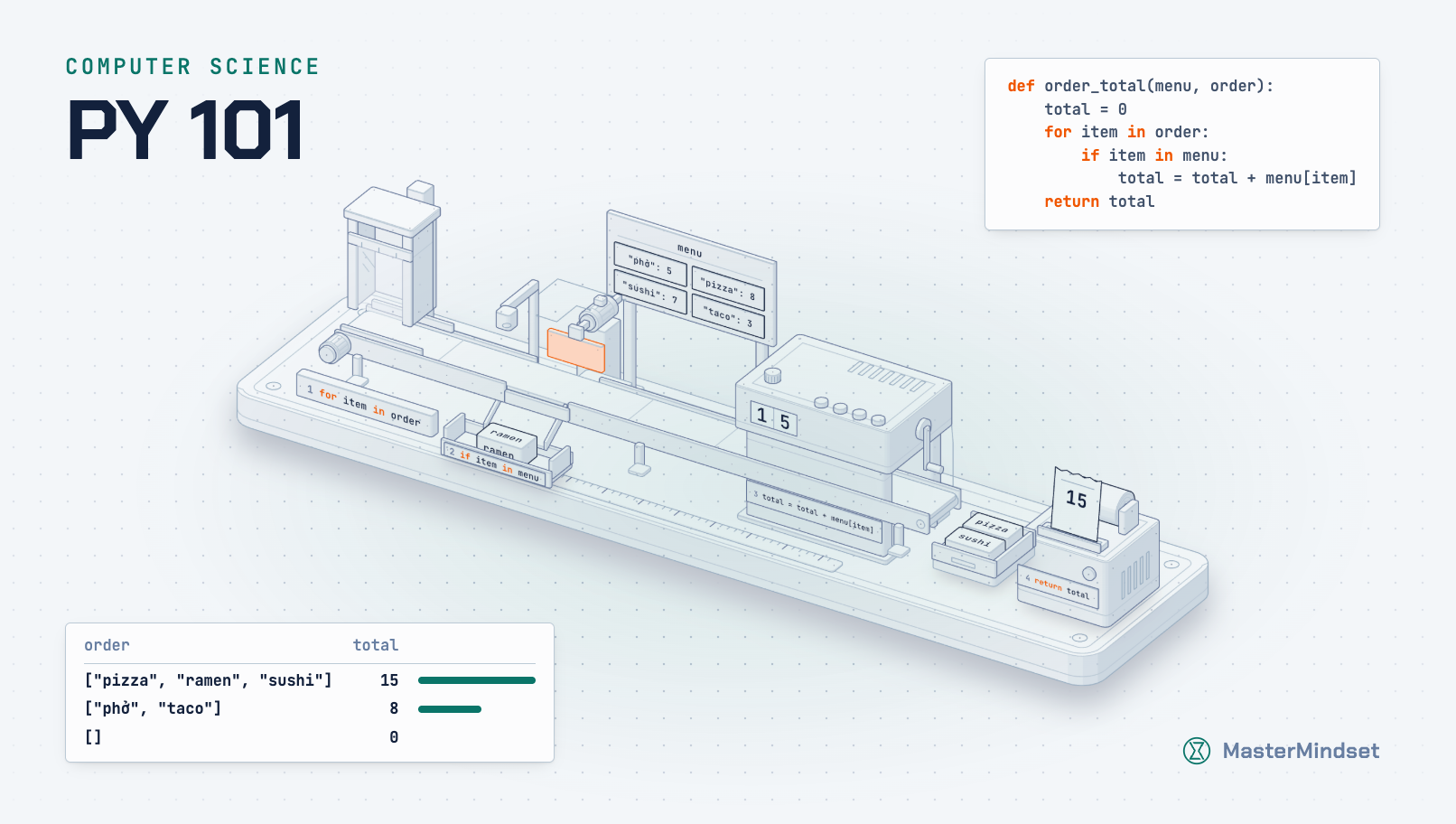
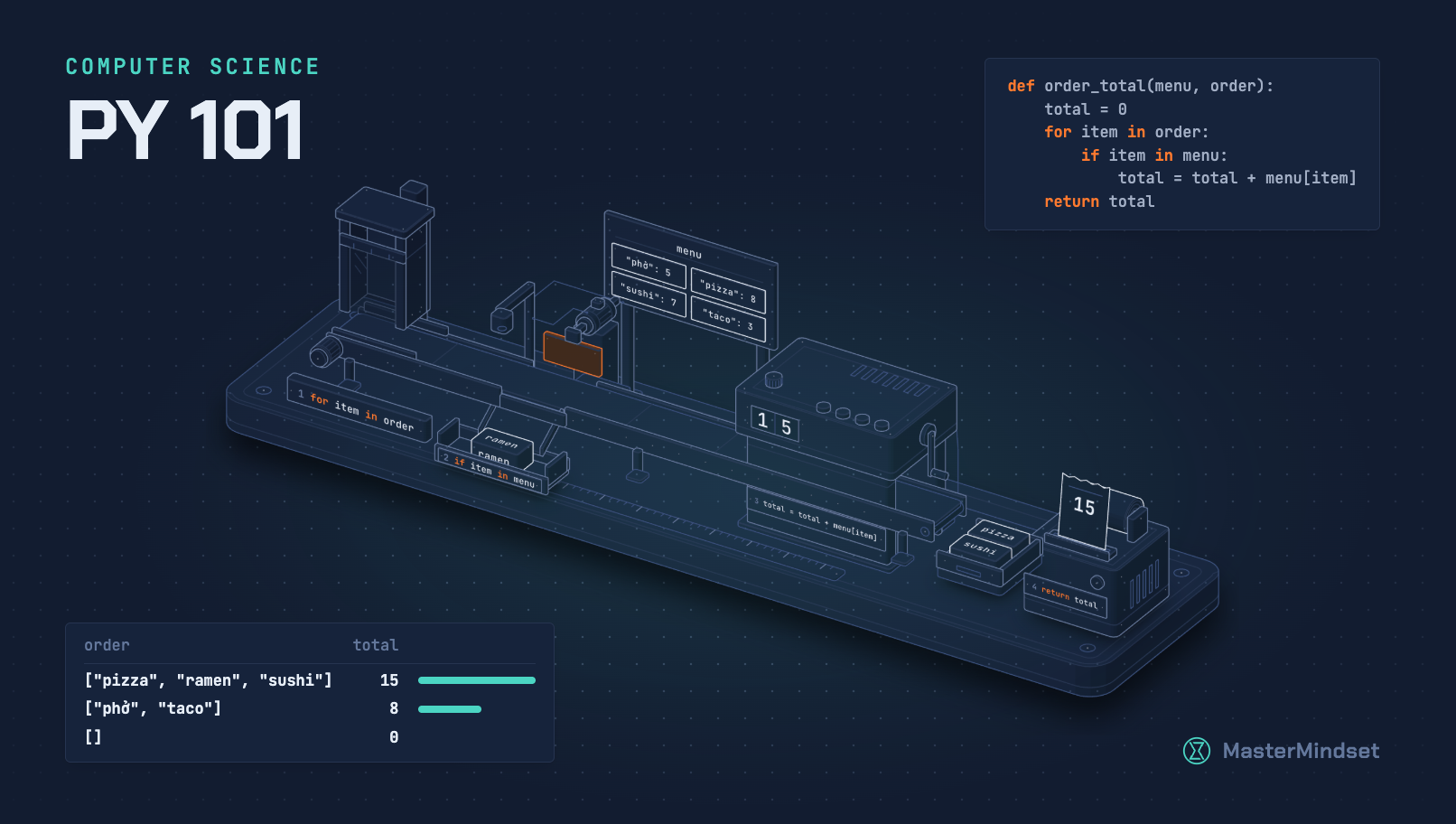
Learn Python from zero through everyday problems: money, scores, dates, text, data files. Read code, step through it, find bugs and write your own programs right in the browser. For learners from grade 6 and adult beginners.
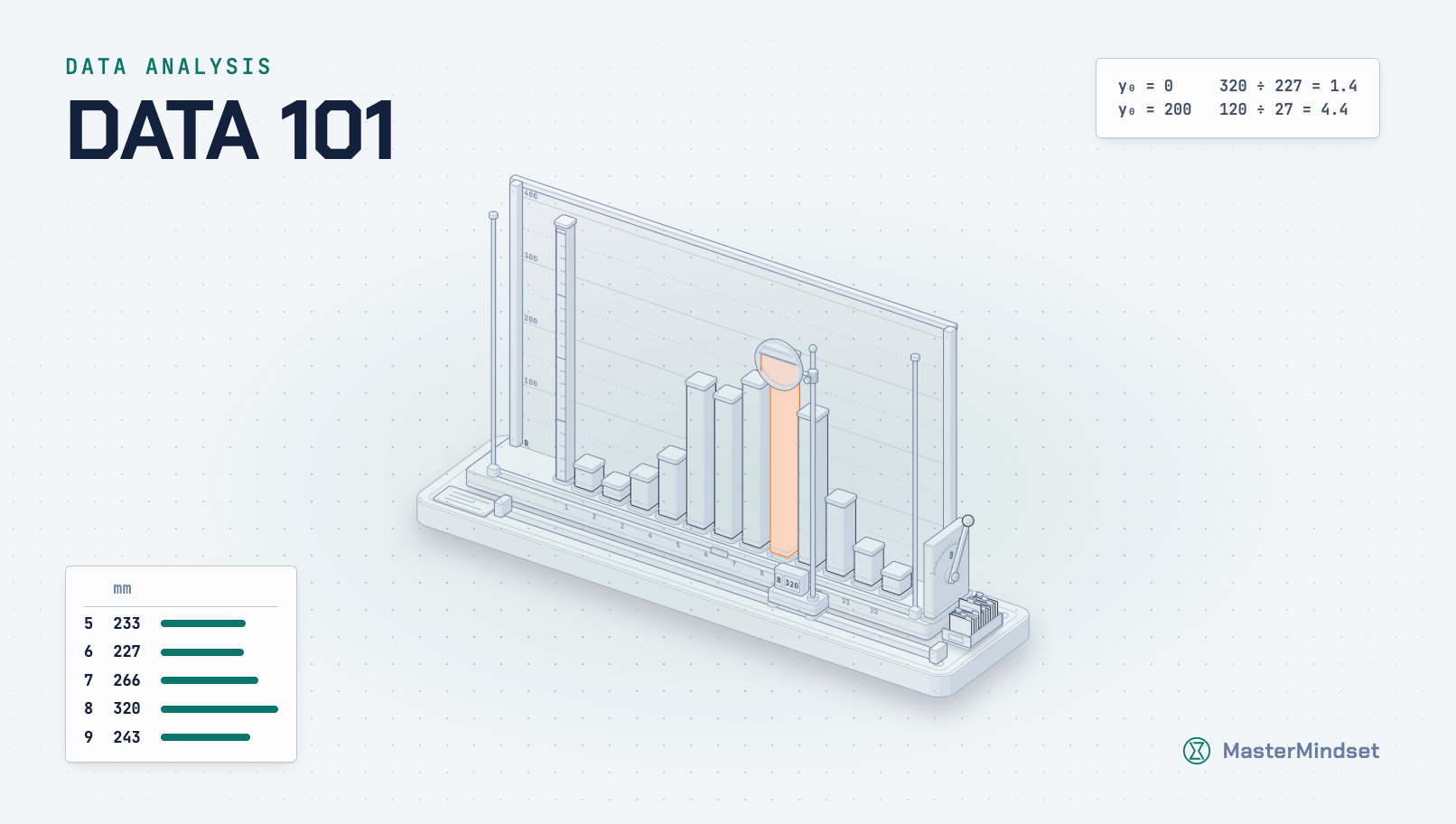
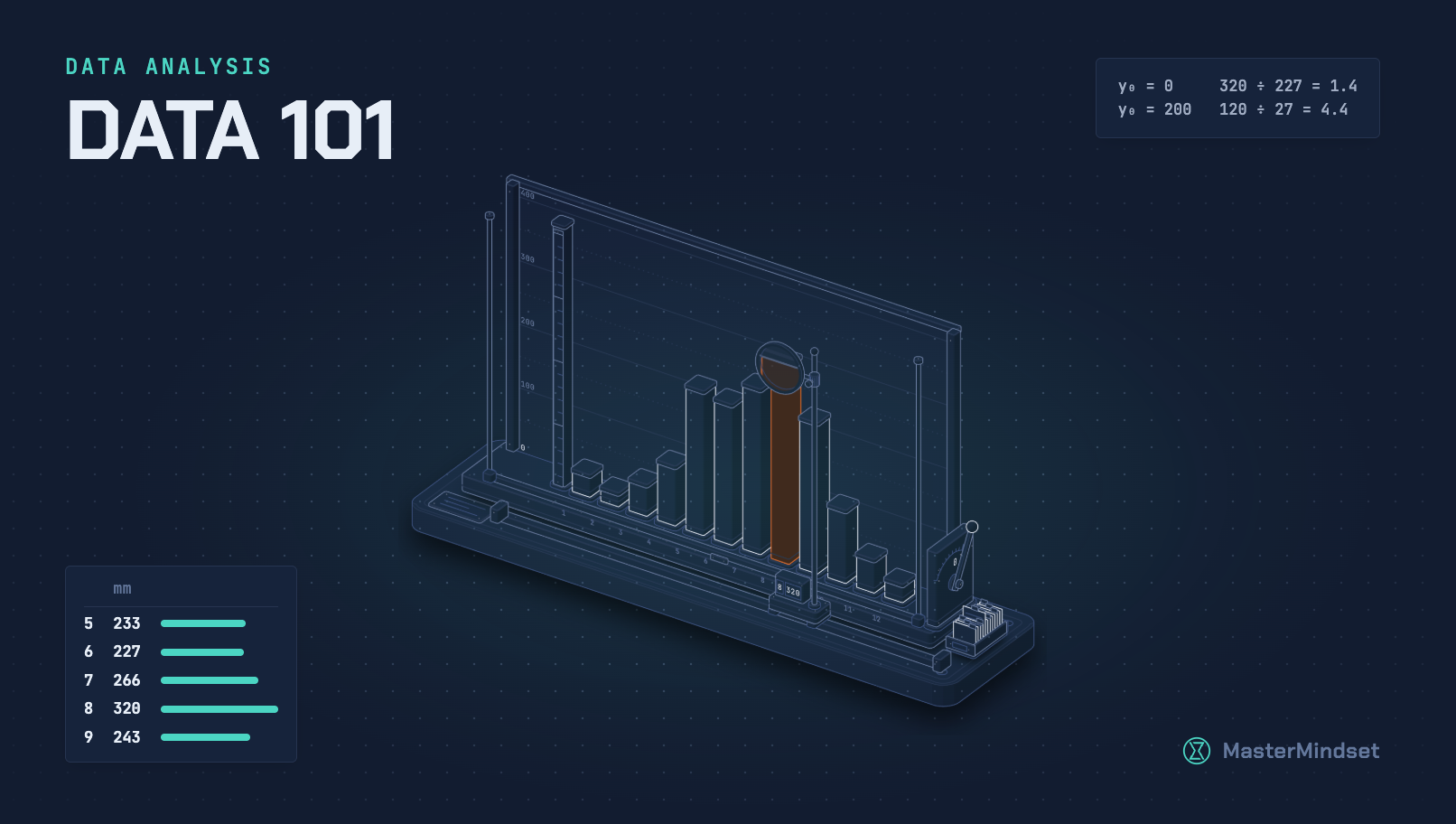
Data analysis with no code: read an unfamiliar chart, know which question it answers, spot the ways of drawing that mislead and the data that isn't there, then draw a sound conclusion from the data. Over a hundred charts, most of them real data from around the world, with true stories.
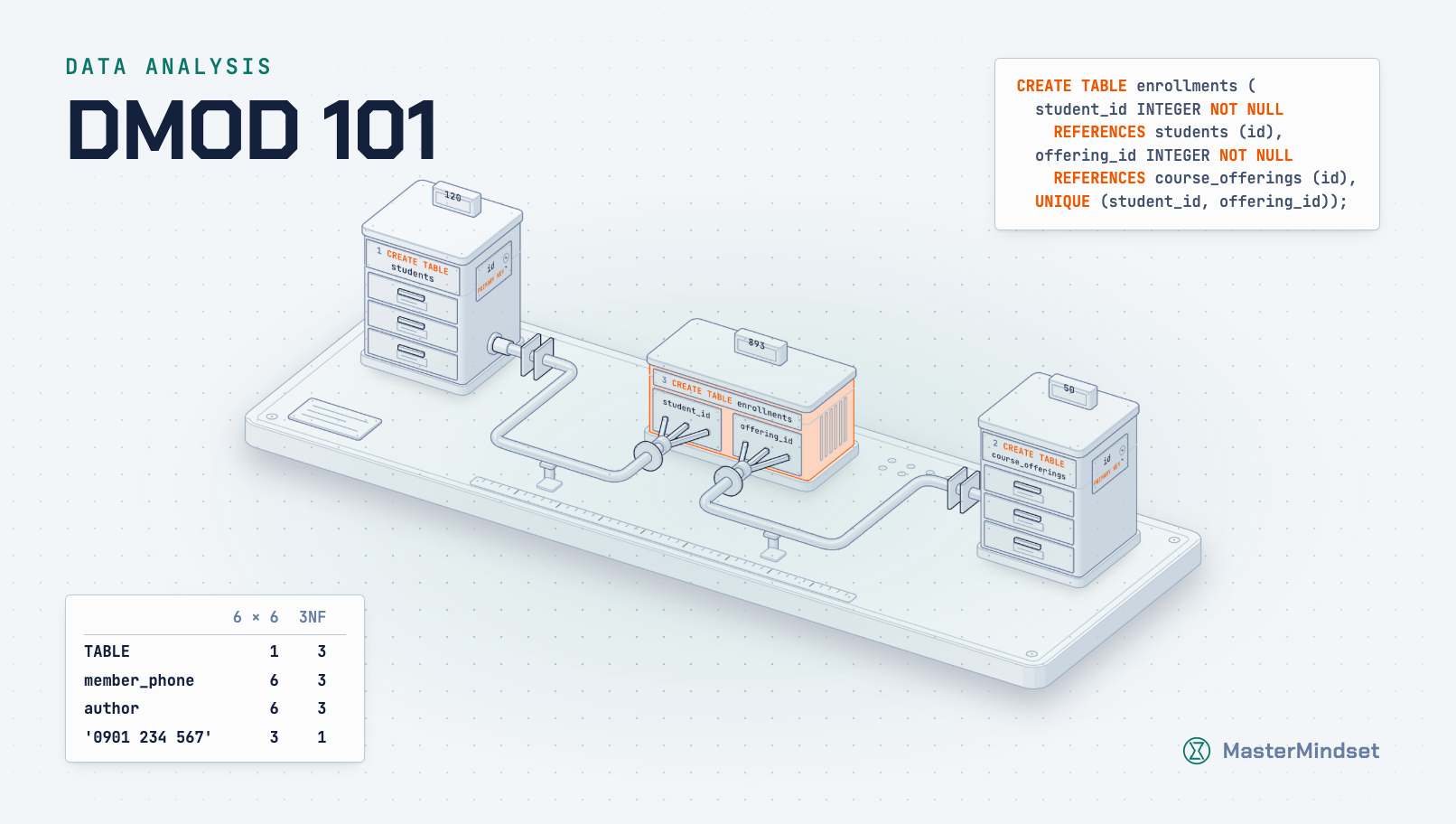
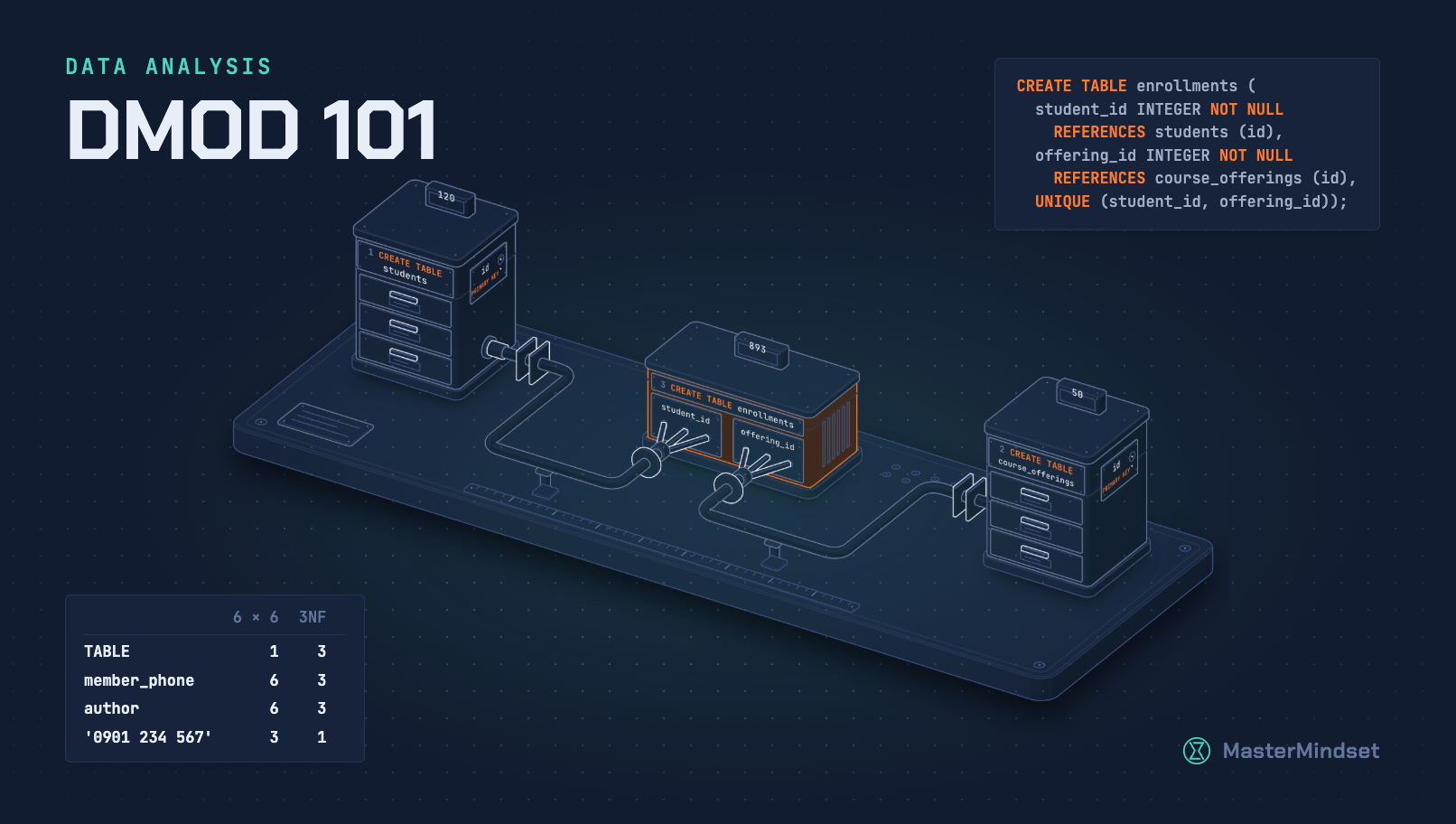
Database design for university students: find entities and attributes in a business description, choose keys, draw one-to-many and many-to-many relationships, decide what is optional, normalize to 3NF, find the bug in a model, and finally run your own model on real data. No SQL needed beforehand.
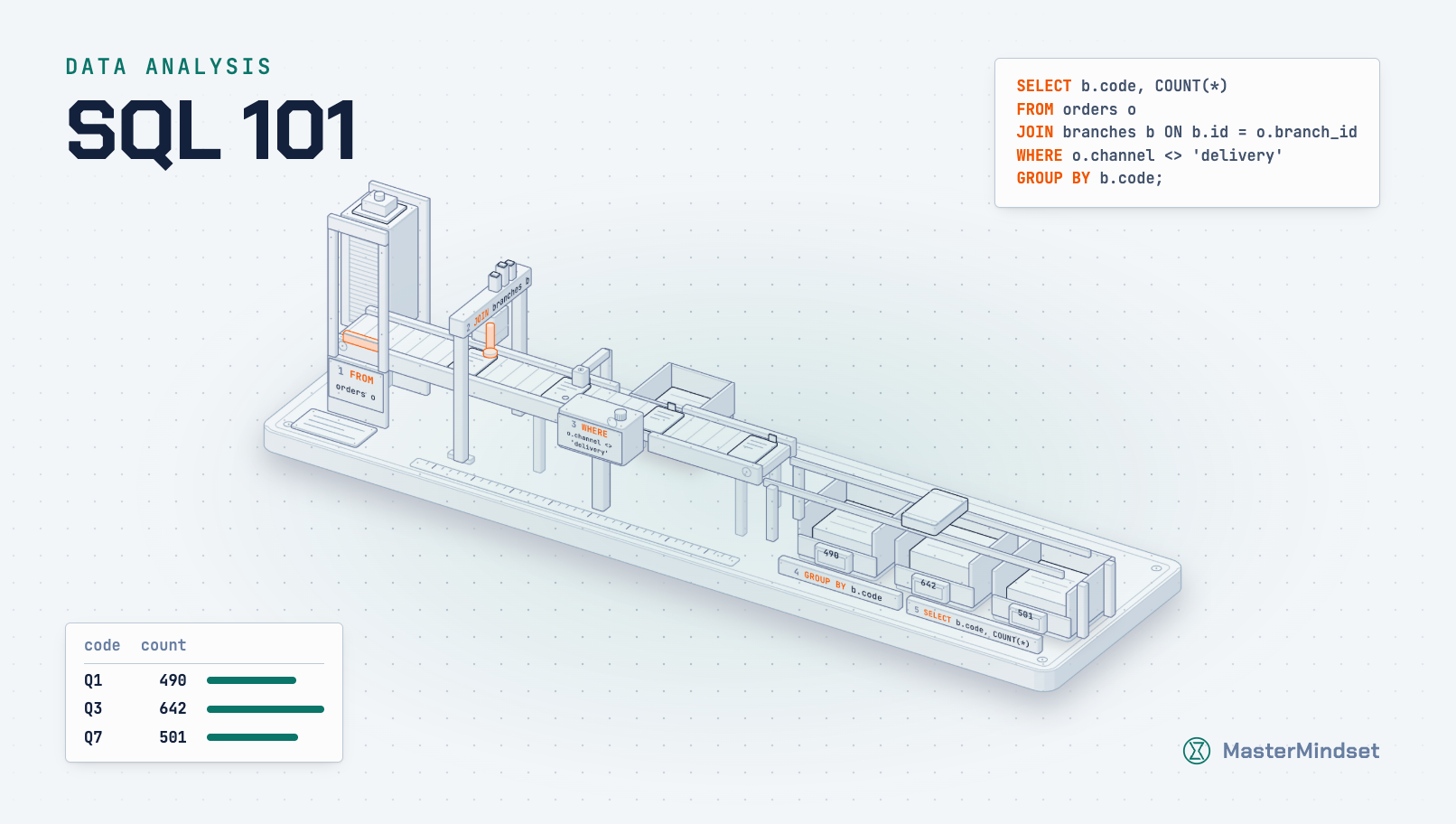
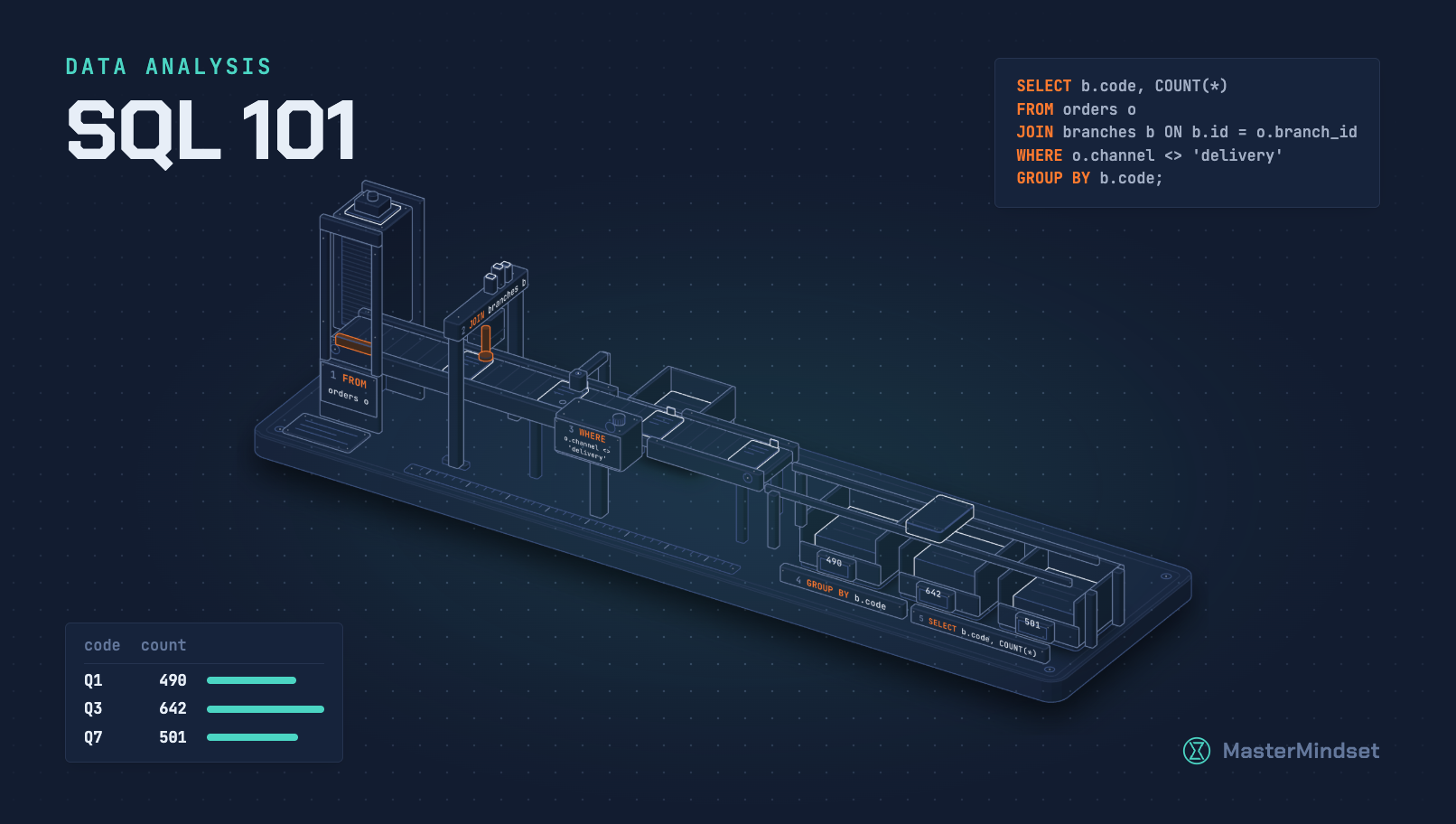
Open a coffee chain and get to know it through its data. You learn SQL to find which table holds what, how the tables connect, and when a number looks right but is wrong. No programming needed.
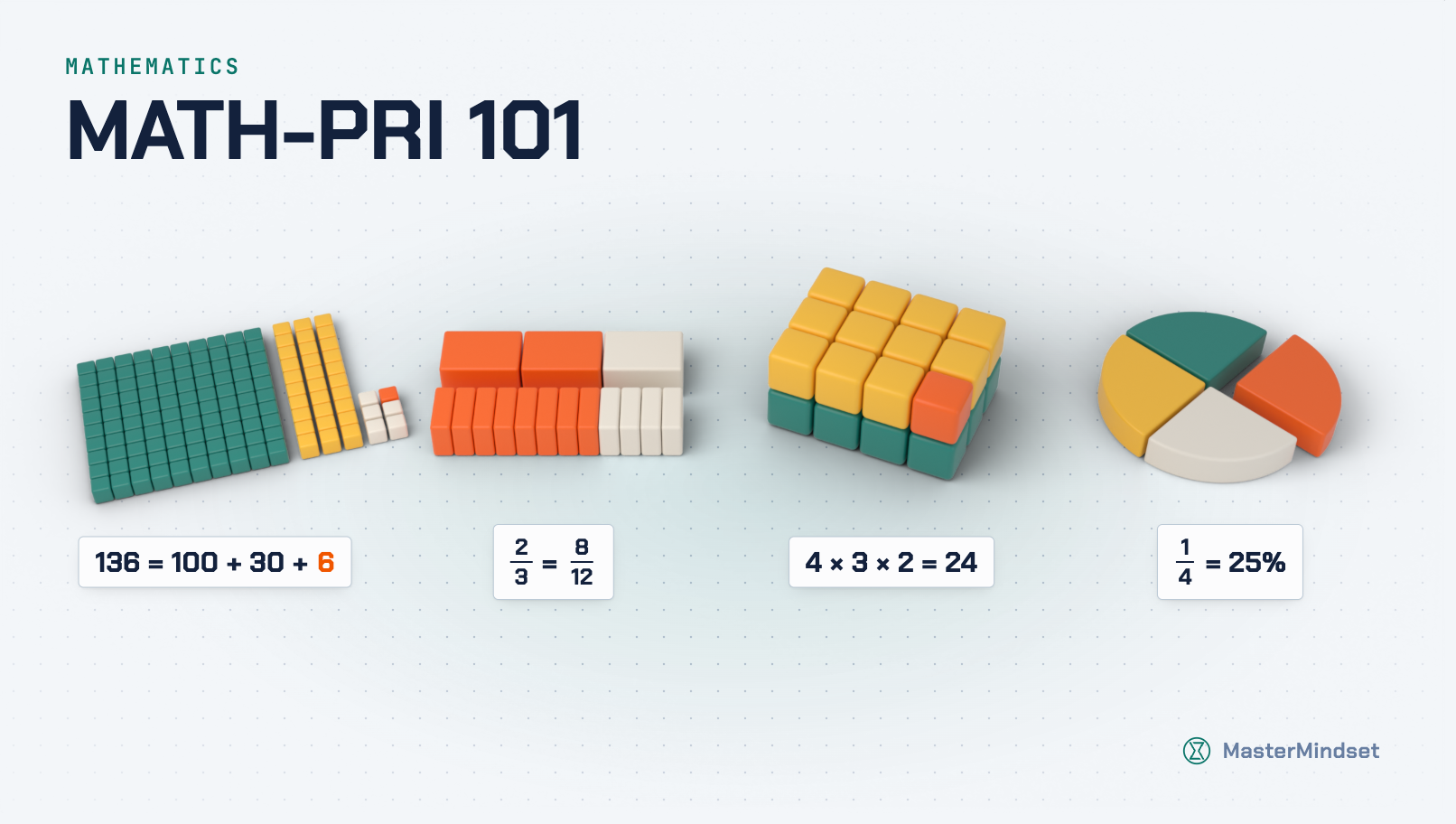
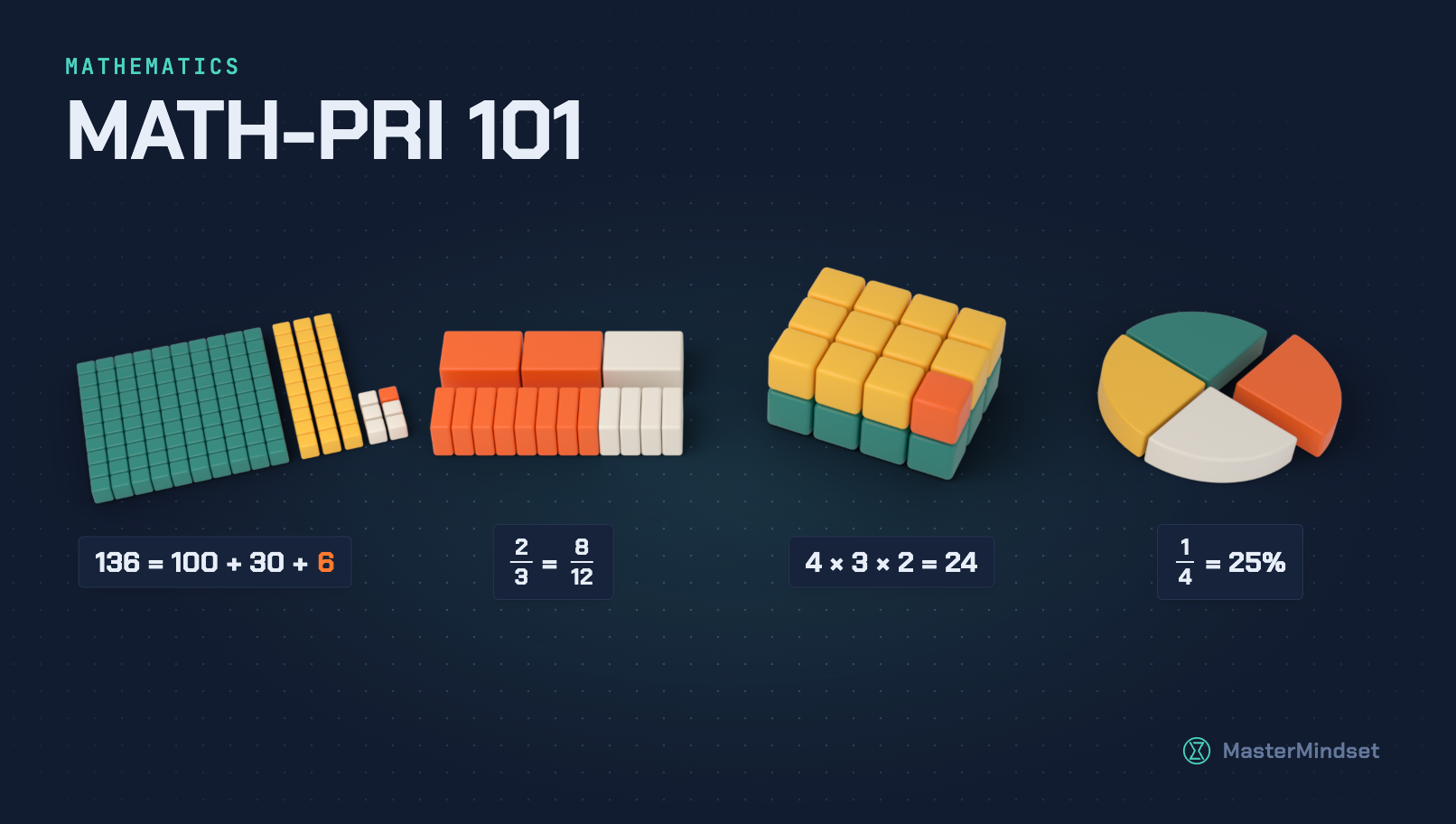
The whole of primary maths for grades 1 to 5 in 12 areas: numbers, adding and subtracting, times tables, multiplying and dividing, expressions, fractions, decimals, percentages, measurement, geometry, word problems, data. Every lesson is rounds of freshly generated problems that never run out, naming common mistakes and how to fix them. Choose the topic that suits you and practise.
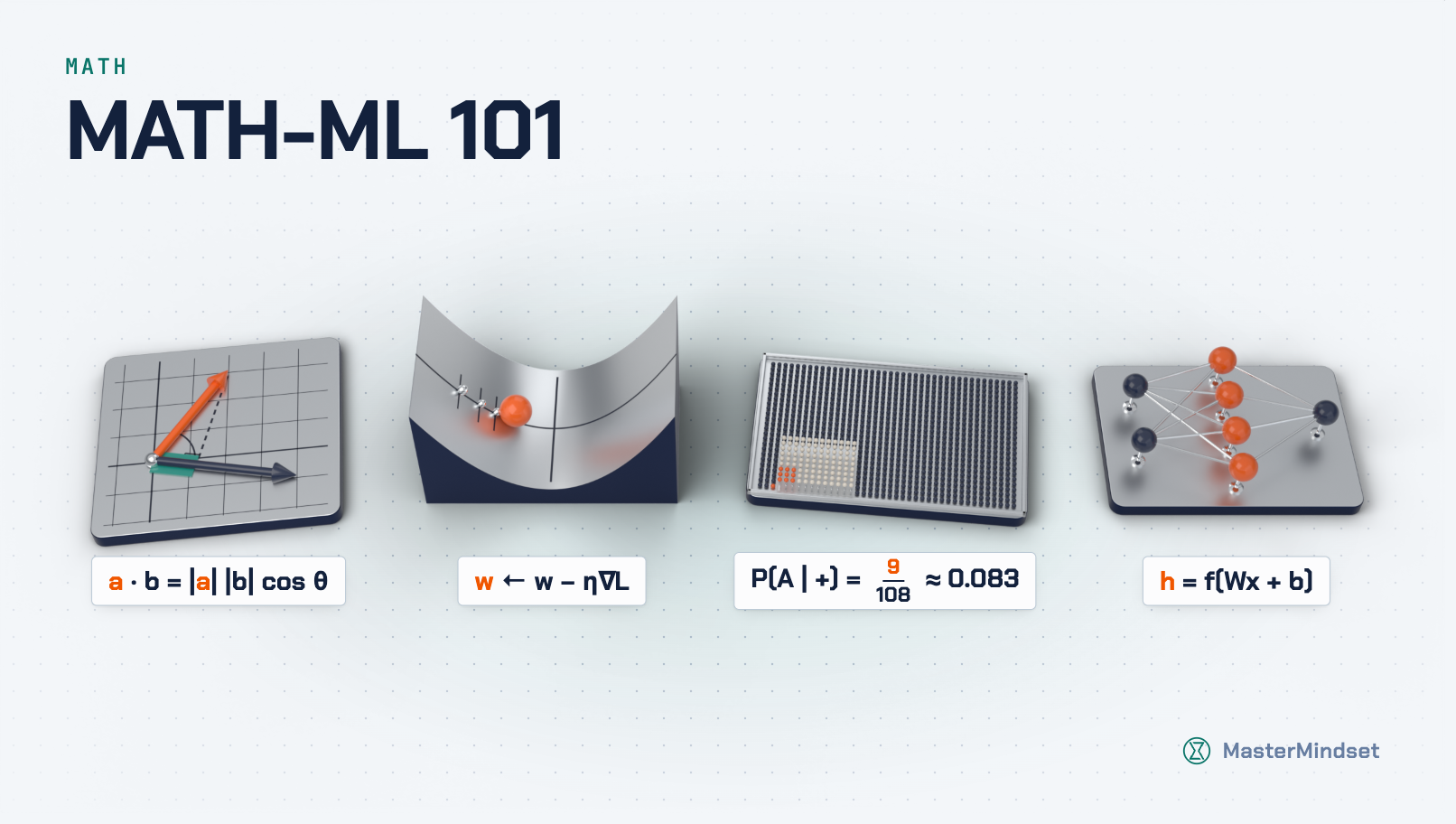
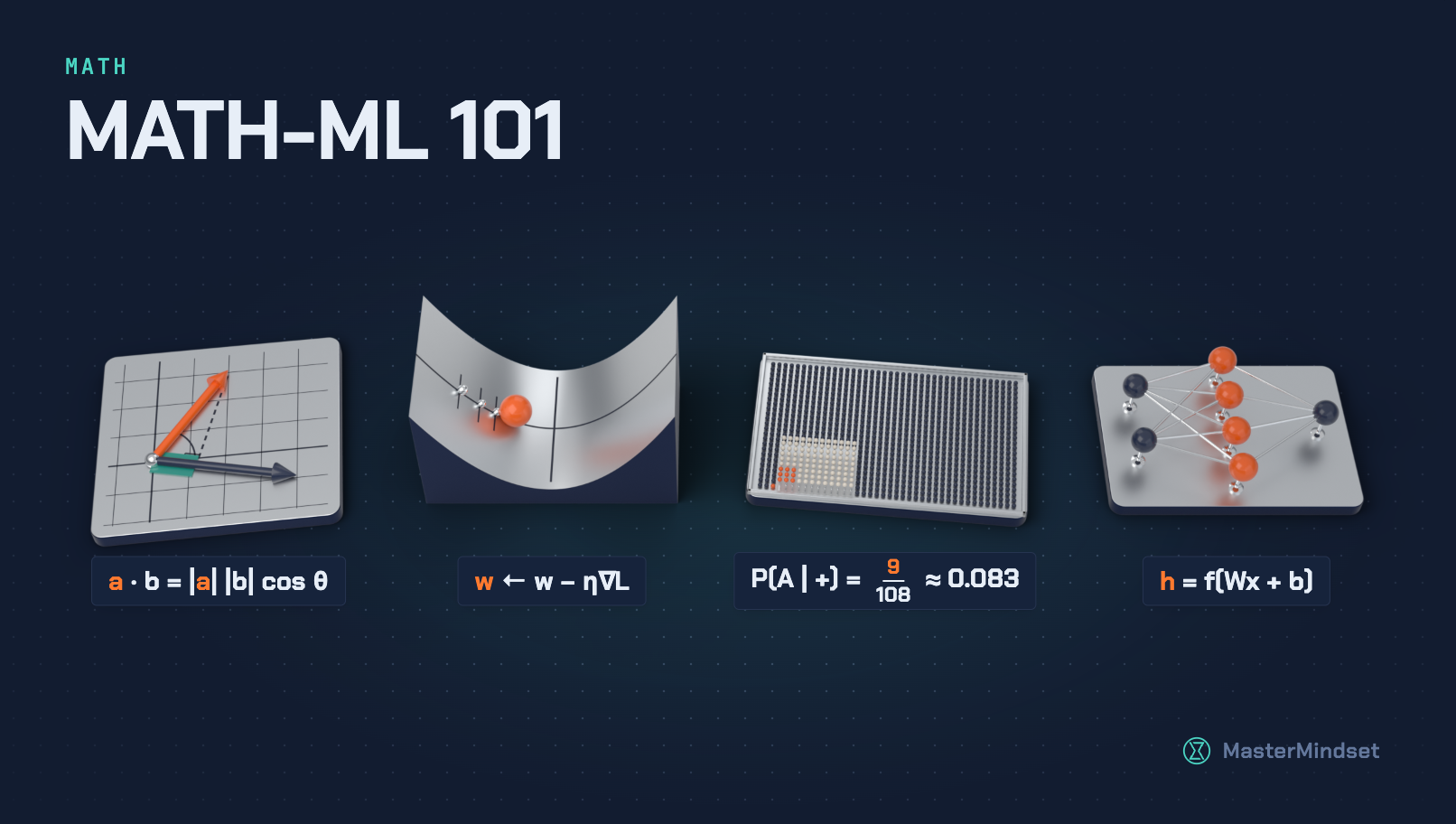
Vectors, matrices, derivatives, probability, statistics and entropy: the maths behind every machine learning model, learned through figures you touch. Drag arrows, move the plane, roll a ball down a loss surface, count the people behind Bayes' rule one dot each, then put it all together in a tiny neural network. High-school maths is enough; no programming needed.
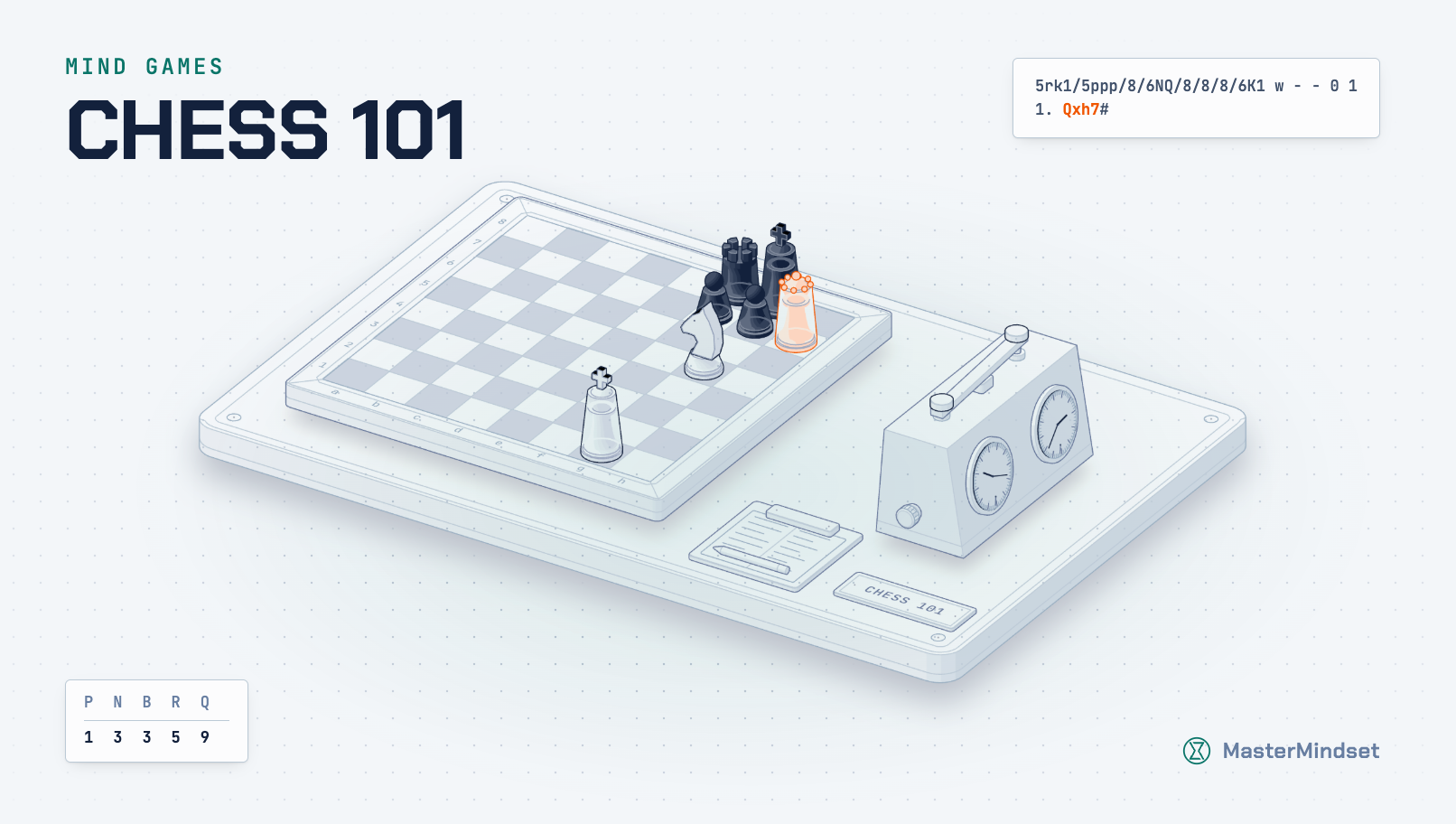
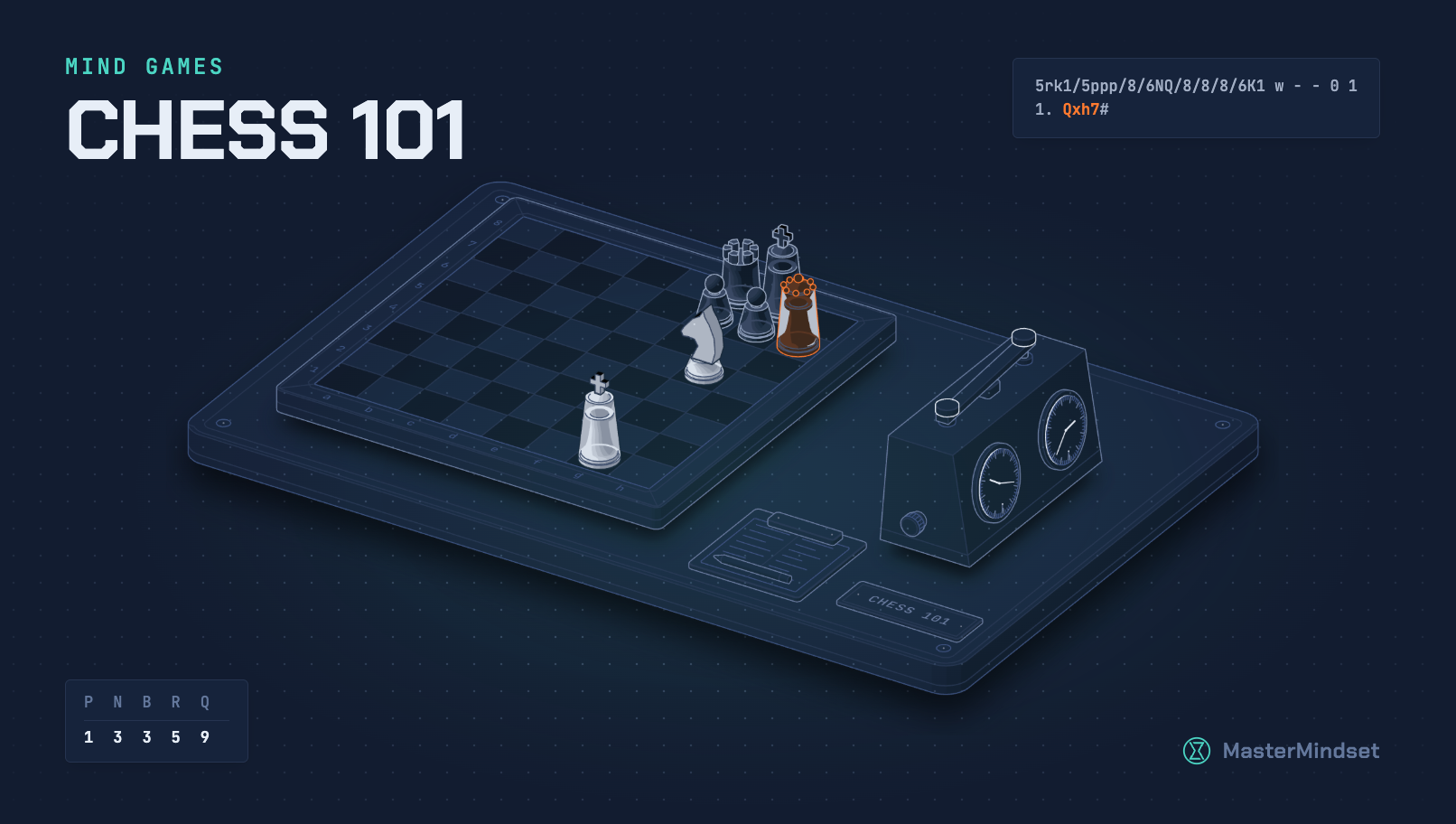
Chess for anyone 16 and over, from scratch: the rules, what pieces are worth, hanging pieces, mating with queen and rook, scanning before every move and opening on principle. Every lesson trains a named thinking habit on a real board, with puzzles from the Lichess database.
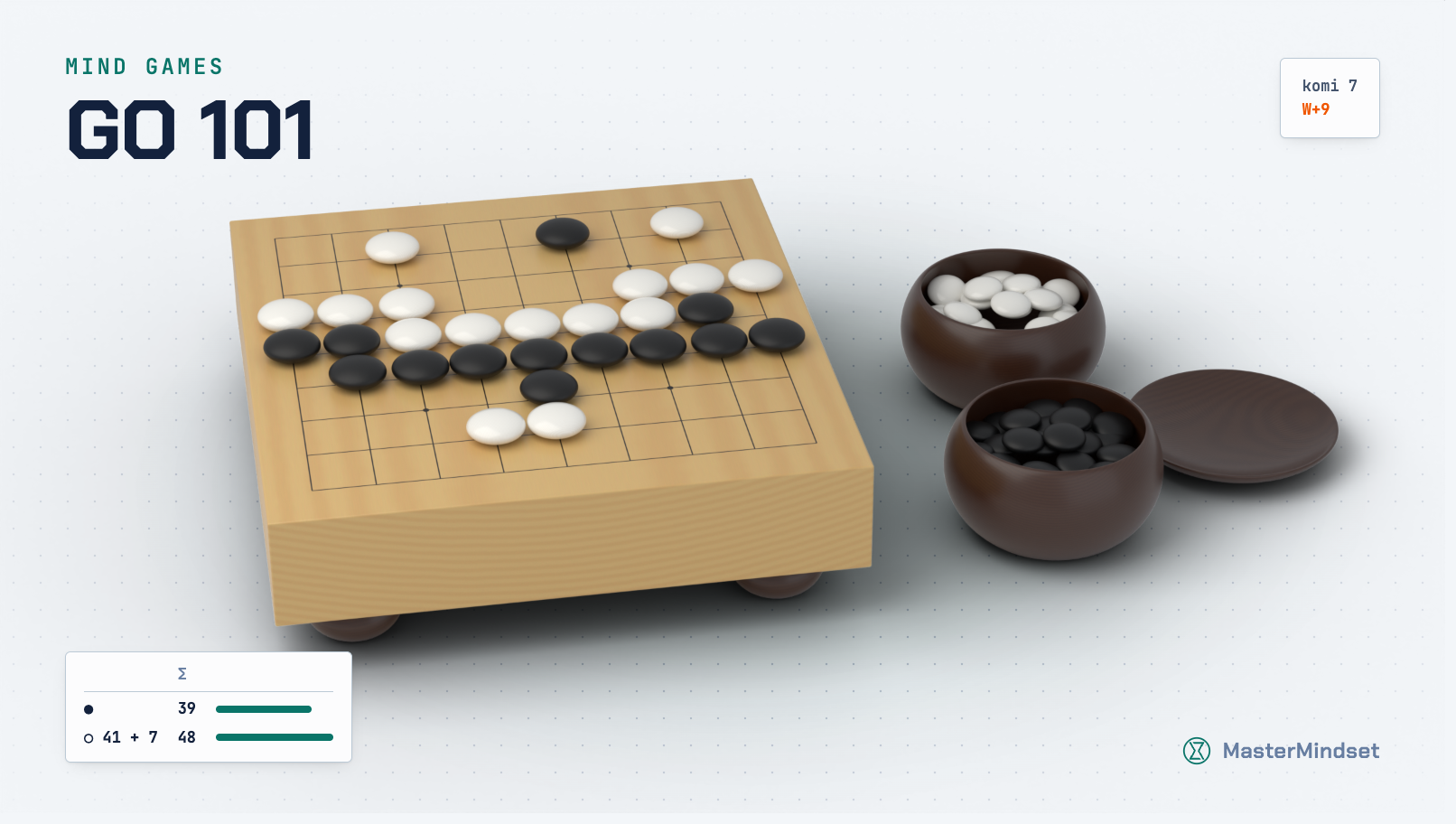
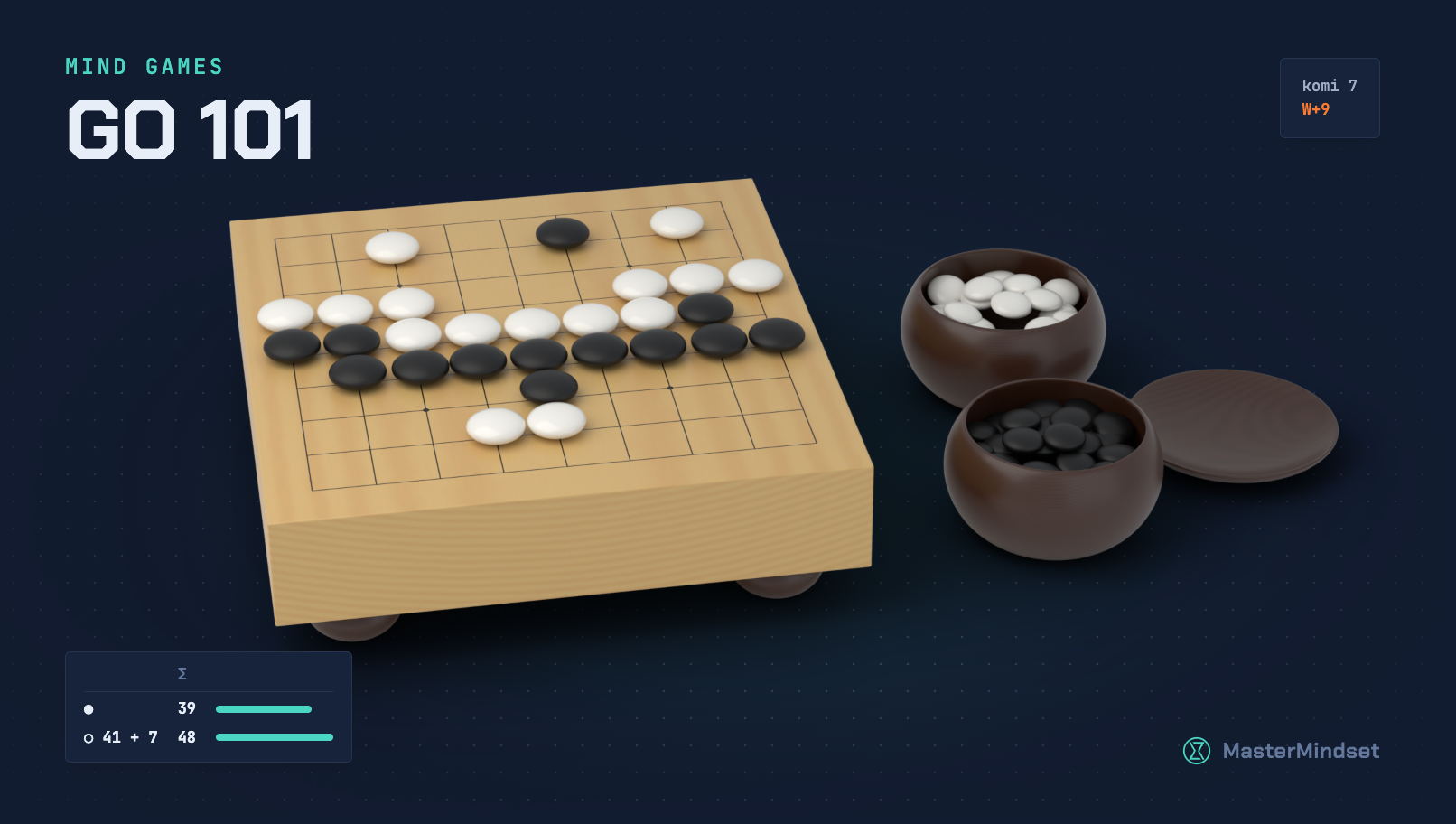
Go for anyone 10 and over, from scratch: liberties and capturing, ko, ladders and nets, eyes, life and death, counting, until you play a whole 9×9 game against the practice computer and count it yourself. Every lesson trains a named thinking habit: count before you fight, read ahead, look at the whole board, know when it is settled. Most steps are exercises on the board itself.
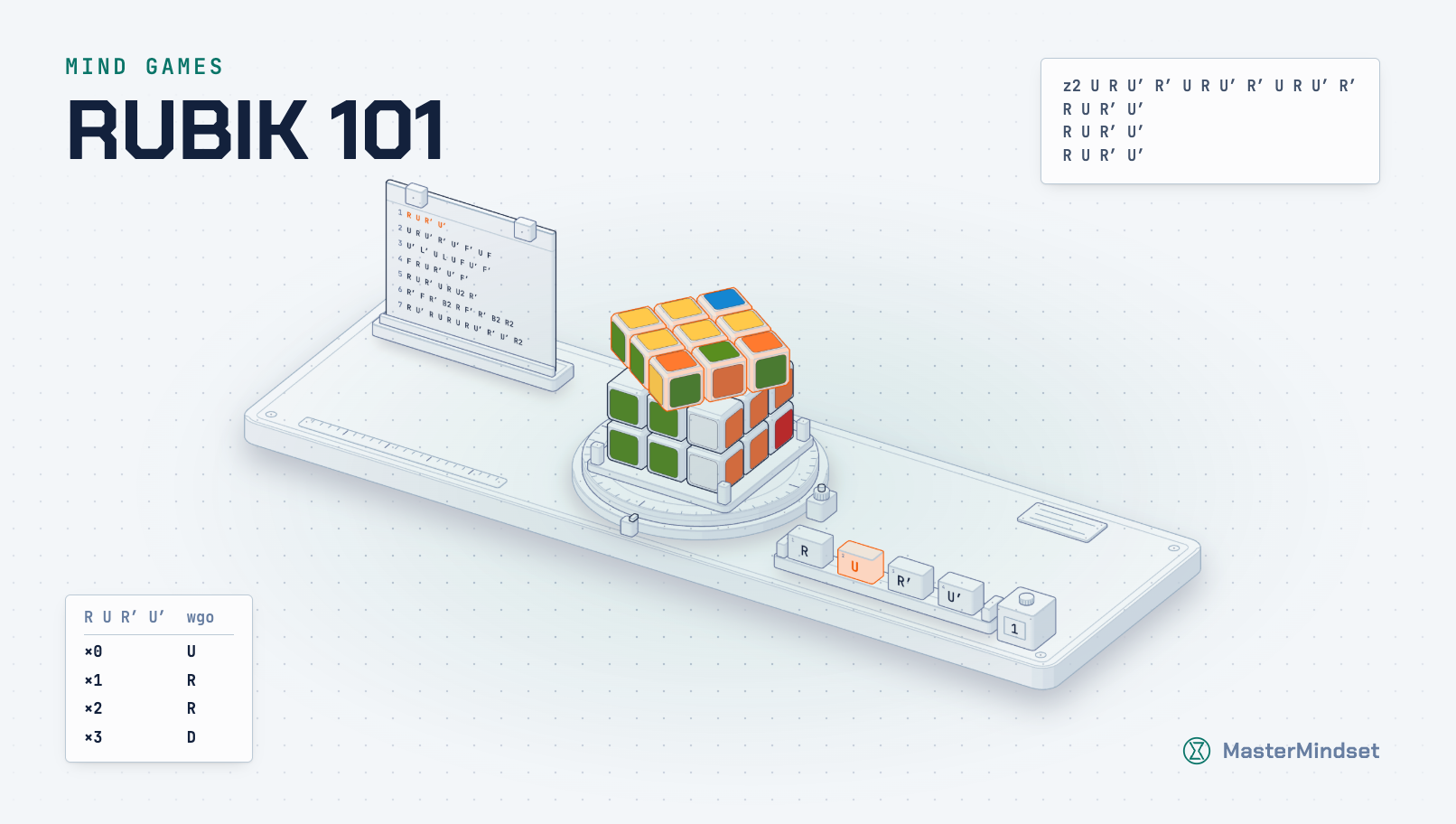
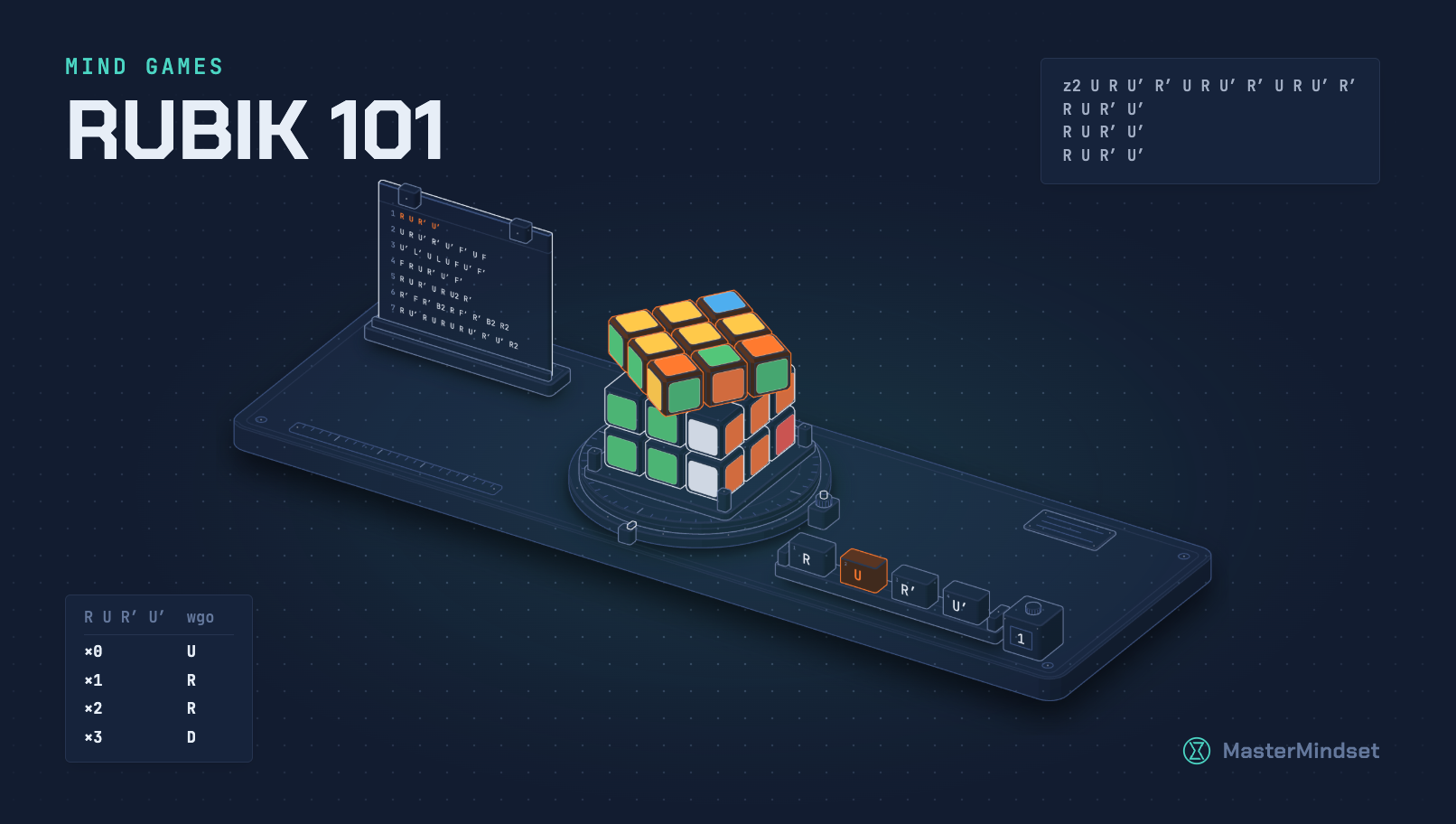
The Rubik's cube for anyone 10 and over, from scratch: the kinds of piece, reading turns, working out the white cross yourself, then solving layer by layer with seven algorithms until you can solve a scrambled cube. An optional chapter explains why the algorithms work and why some cubes can't be solved. Every lesson trains a named thinking habit on a 3D cube you can turn.
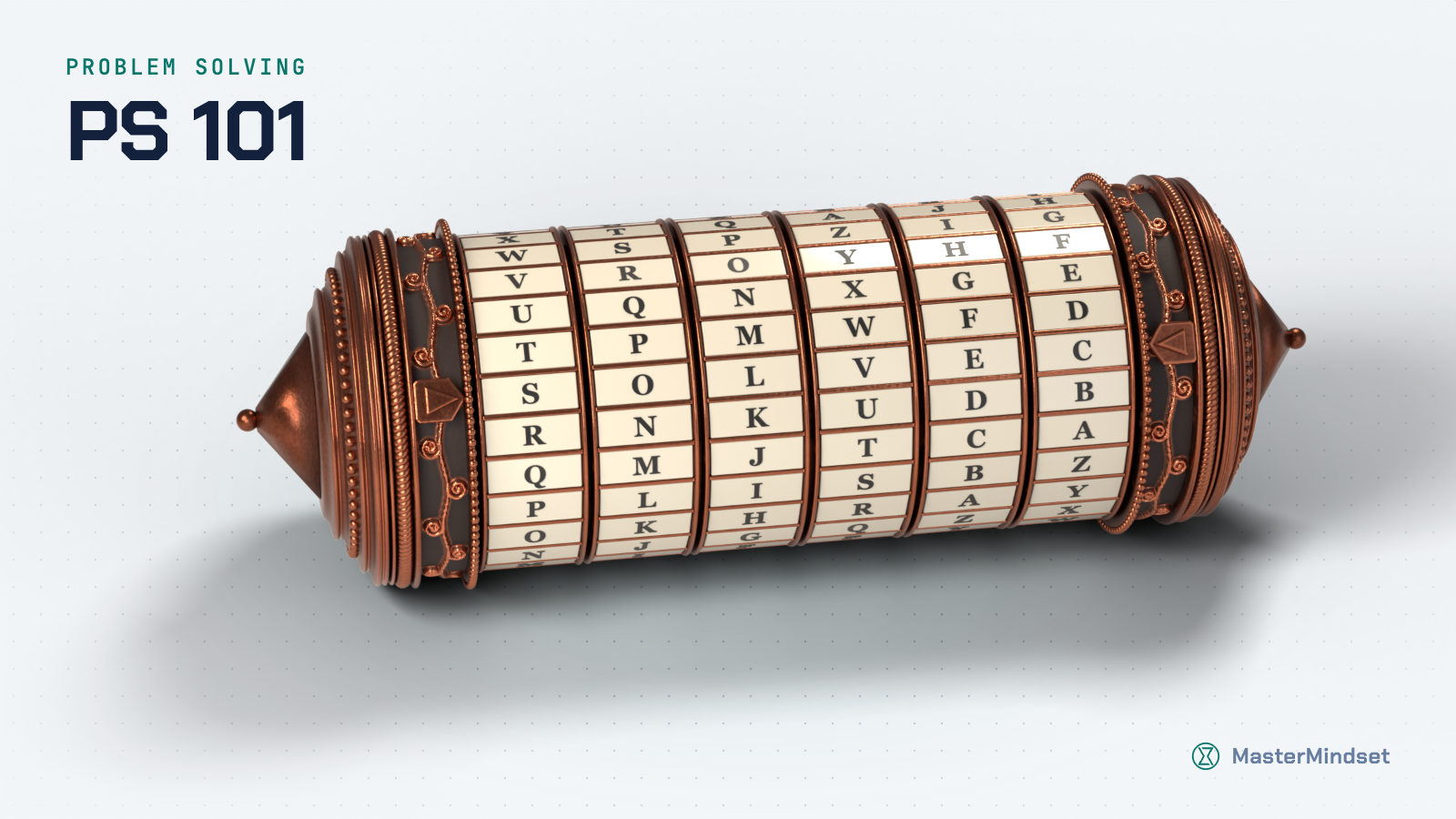
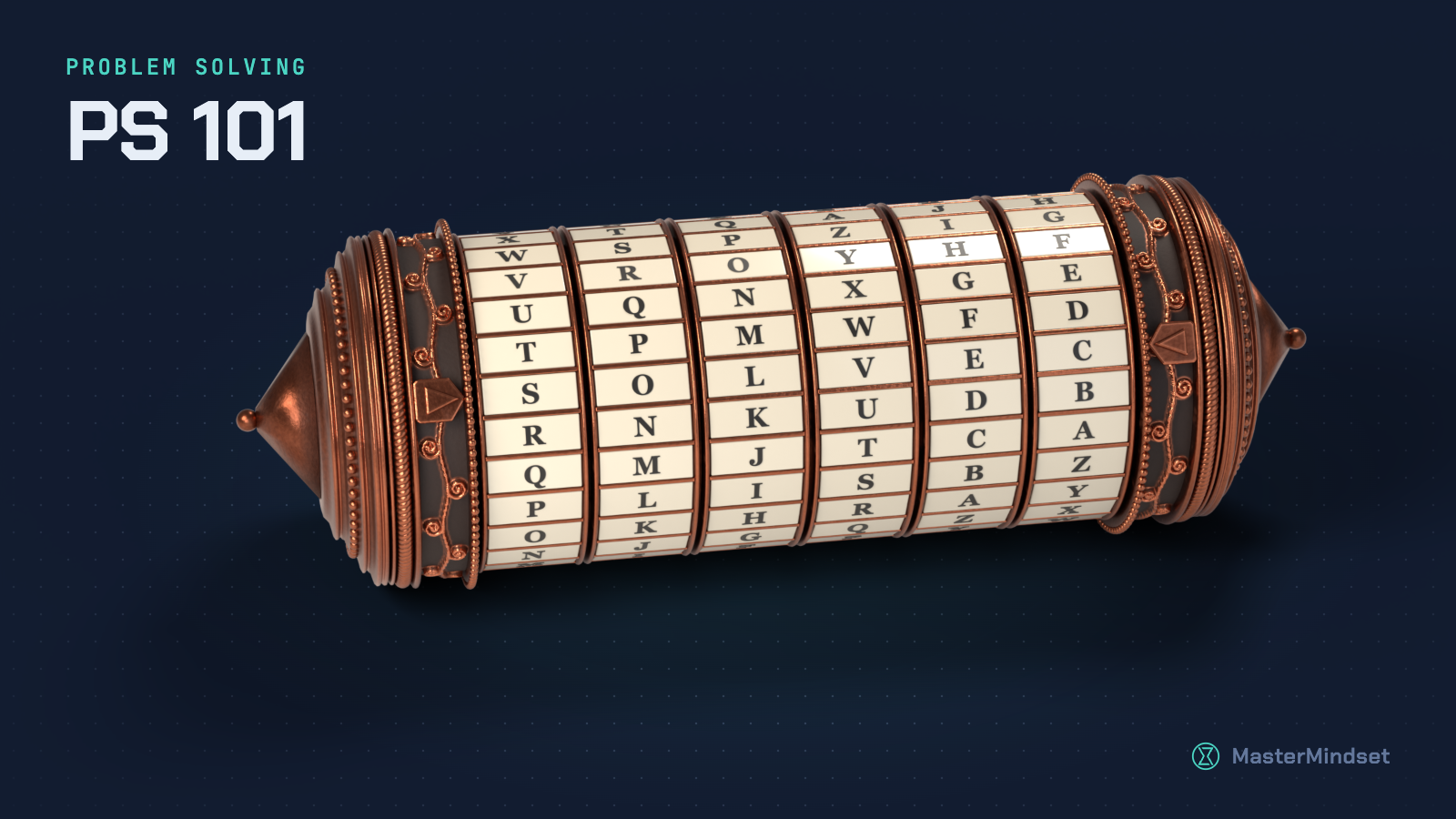
In 1999, the Mars Climate Orbiter flew for more than nine months to Mars, then contact was lost. The cause was found to be two programs handling the same data in two different units. The unit error could be fixed, but the harder question is: why did no check catch it? This course helps you practise answering questions like that on real cases: pinning down the problem, finding the causes, weighing the evidence and choosing when you don't have all the information. You try first, then place cards, link evidence, adjust weights and watch the result change.
The course covers the A1 range: letters and sounds, greetings, numbers and prices, family, food, time, home, getting around town, shopping, work and free time. Each chapter opens with a grammar picture: a sentence split into its positions, articles changing with the case, compounds taken apart. Then come the chapter's words (also in Thẻ nhớ), practice with explanations and a short reading. Examples come from situations in many countries. A final exam checks the whole course.
Ausführliche Beiträge über KI, Lernen und Problemlösen, mit Beispielen zum Selbstausprobieren.
Die Beiträge konnten nicht geladen werden. Sie finden sie alle auf der Blog-Seite.
Neu in der Akademie, für alle Lernenden mit Konto. Halten Sie fest, was Sie lernen, und wiederholen Sie es zur richtigen Zeit, damit es bleibt.
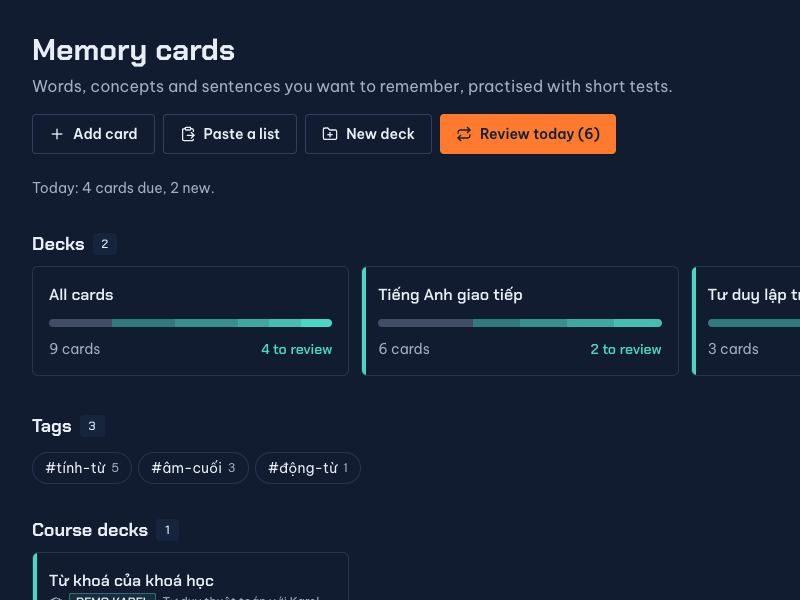
Kostenlos für alle Lernenden.
Schulen und Unternehmen können eigene Kurse in der MMA-Akademie anbieten, für ihre Lernenden oder ihre Mitarbeitenden.
Ein paar Zeilen über Ihre Organisation und den geplanten Kurs genügen. Wir antworten per E-Mail.